Both Electric Hydraulic Pipe Cutters: Choosing Between CM-12 and CM-20
- Share
- publisher
- RUBR
- Issue Time
- Mar 18,2026
Summary
CM-12 and CM-20 are two electric hydraulic pipe cutters designed for different pipe sizes and working environments. While both machines use the same cold-cutting principle and hydraulic feeding system, CM-12 focuses on efficient cutting of small to medium pipes in workshops, whereas CM-20 is built for larger pipes and job-site conditions requiring stronger support and mobility.
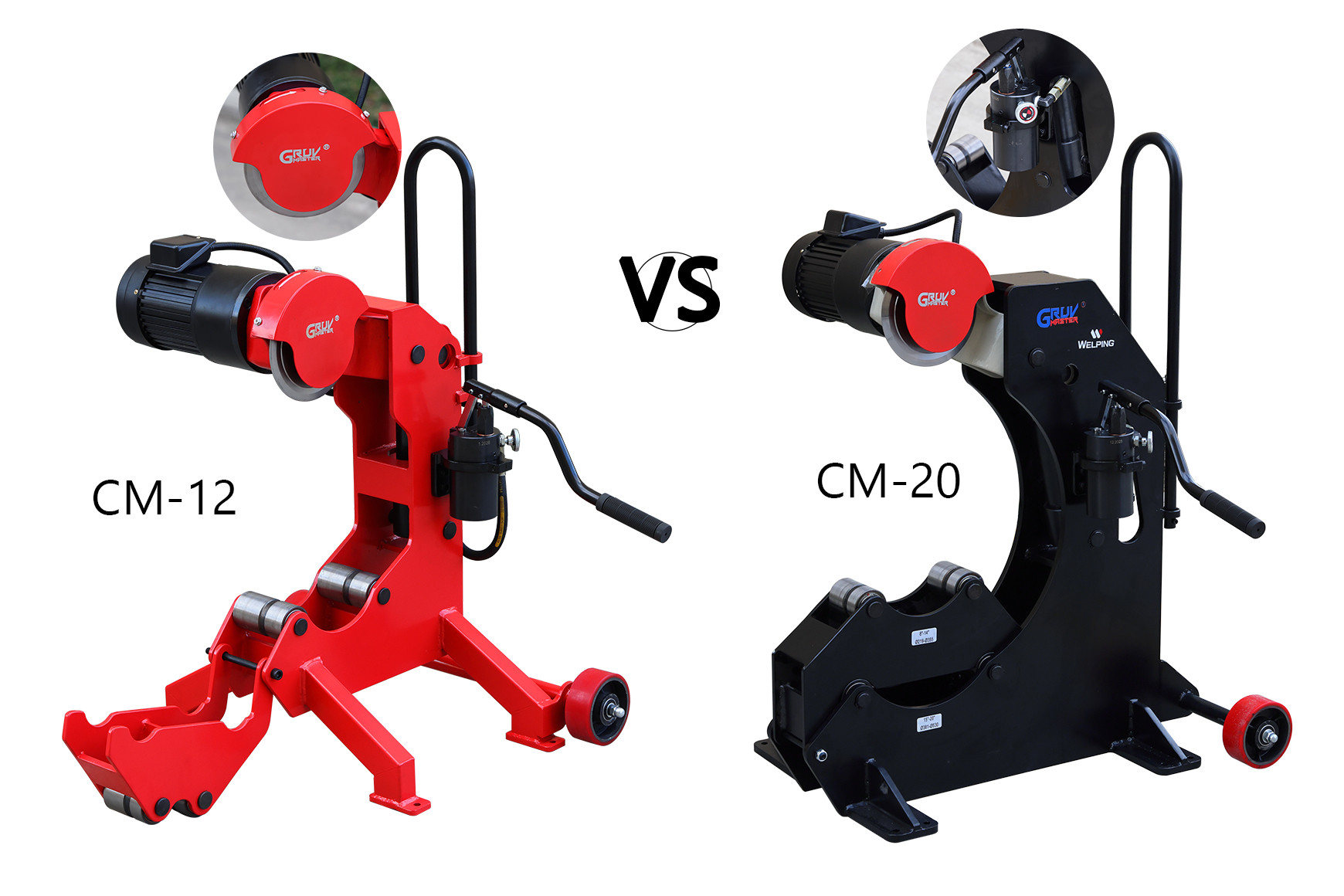
Electric hydraulic pipe cutters are commonly used for cutting steel and stainless-steel pipes. Their stable performance, clean cutting results, and spark-free cold cutting process make them suitable for both workshop production and on-site work.
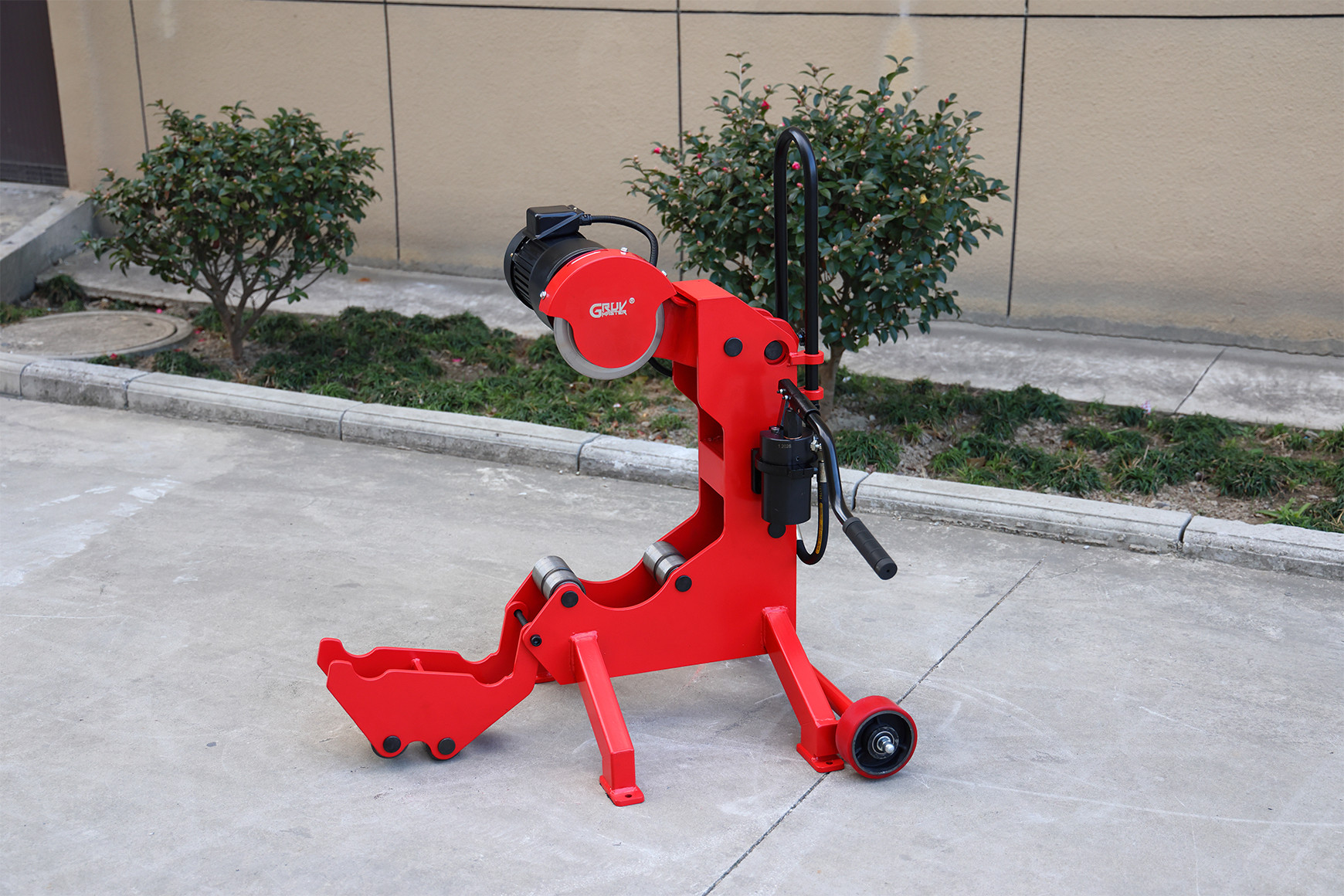
The CM-12 and CM-20 share a similar overall appearance and operate based on the same cutting principle. However, they are intended for different pipe size ranges and working conditions.
When viewed only from the outside, the distinction between the two models may not be immediately clear. Once pipe diameter, working environment, and operational requirements are taken into account, the role of each machine becomes much easier to understand.
This article looks at the CM-12 and CM-20 from the perspectives of application, structure, and practical use, helping users determine which model better suits their needs.
CM-12: A Practical Solution for Small to Medium Pipe Sizes
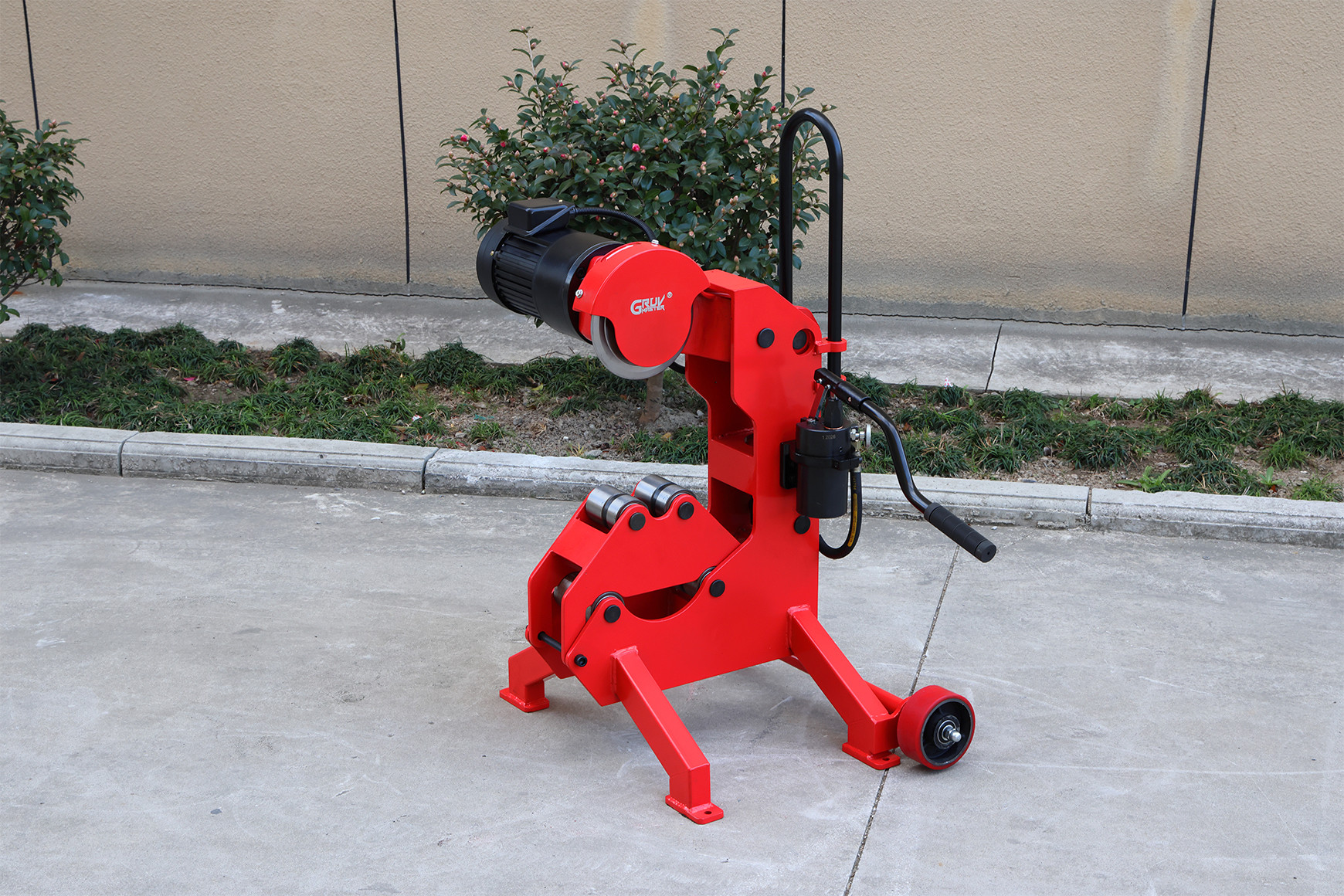
The CM-12 is designed primarily for cutting small to medium diameter steel and stainless-steel pipes. Its design emphasizes efficiency, operational stability, and convenient use in regular working environments.
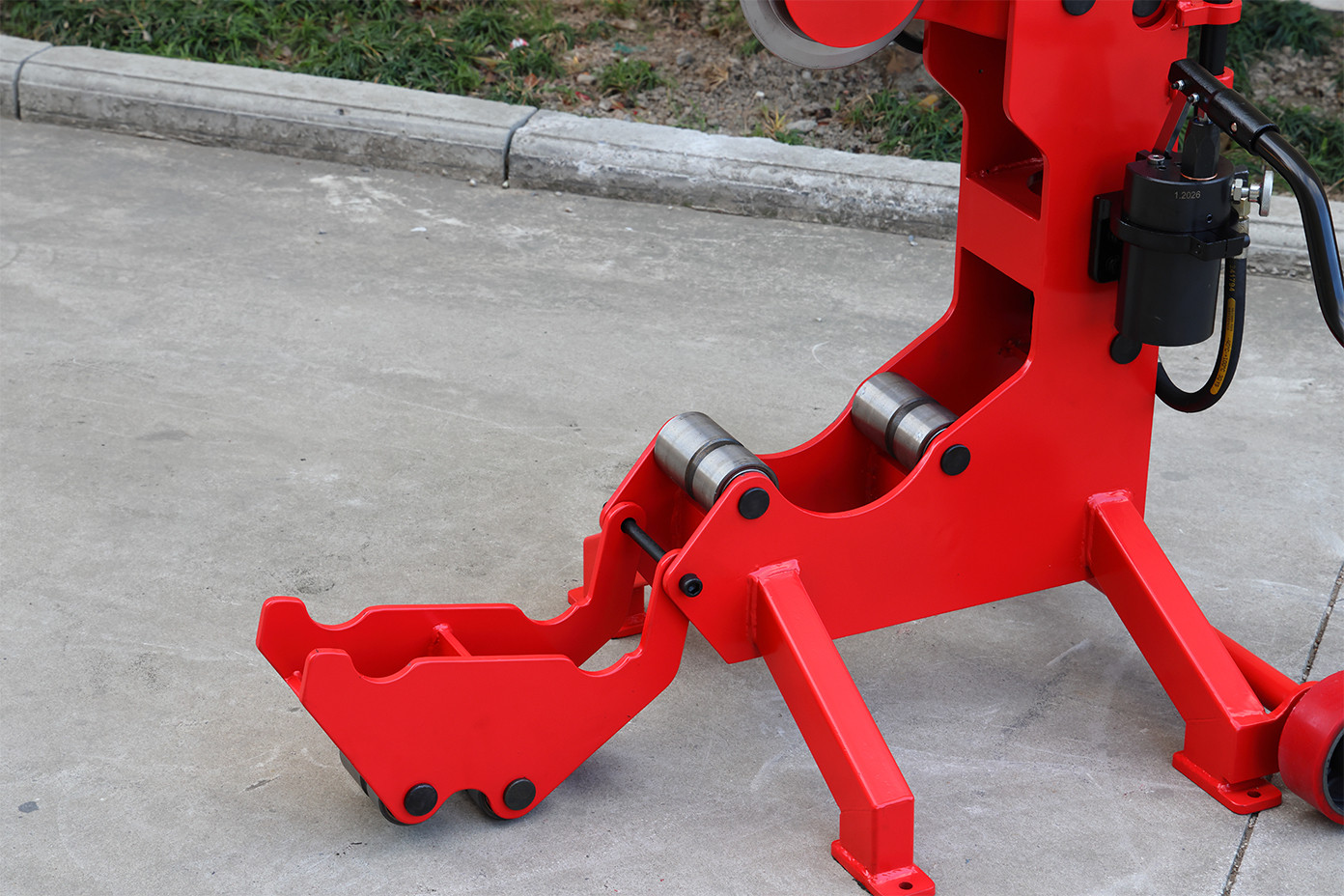
With a compact structure, the machine fits easily into workshops or fixed workstations. The gear-reduction motor works together with the hydraulic feeding system to deliver smooth and controlled cutting movement, helping maintain consistent cut quality while keeping productivity at a good level.
Key features of CM-12 include:
· Coverage of commonly used small and medium pipe sizes
· Cold cutting process that produces no sparks, burrs, or rough edges
· Compact structure suitable for workshop or prefabrication areas
· Low maintenance requirements for repeated daily use
Typical applications include:
· Workshop cutting operations
· Pipe prefabrication work
· Repetitive cutting of small to medium diameter pipes
CM-20: Built for Larger Pipes and Field Operations
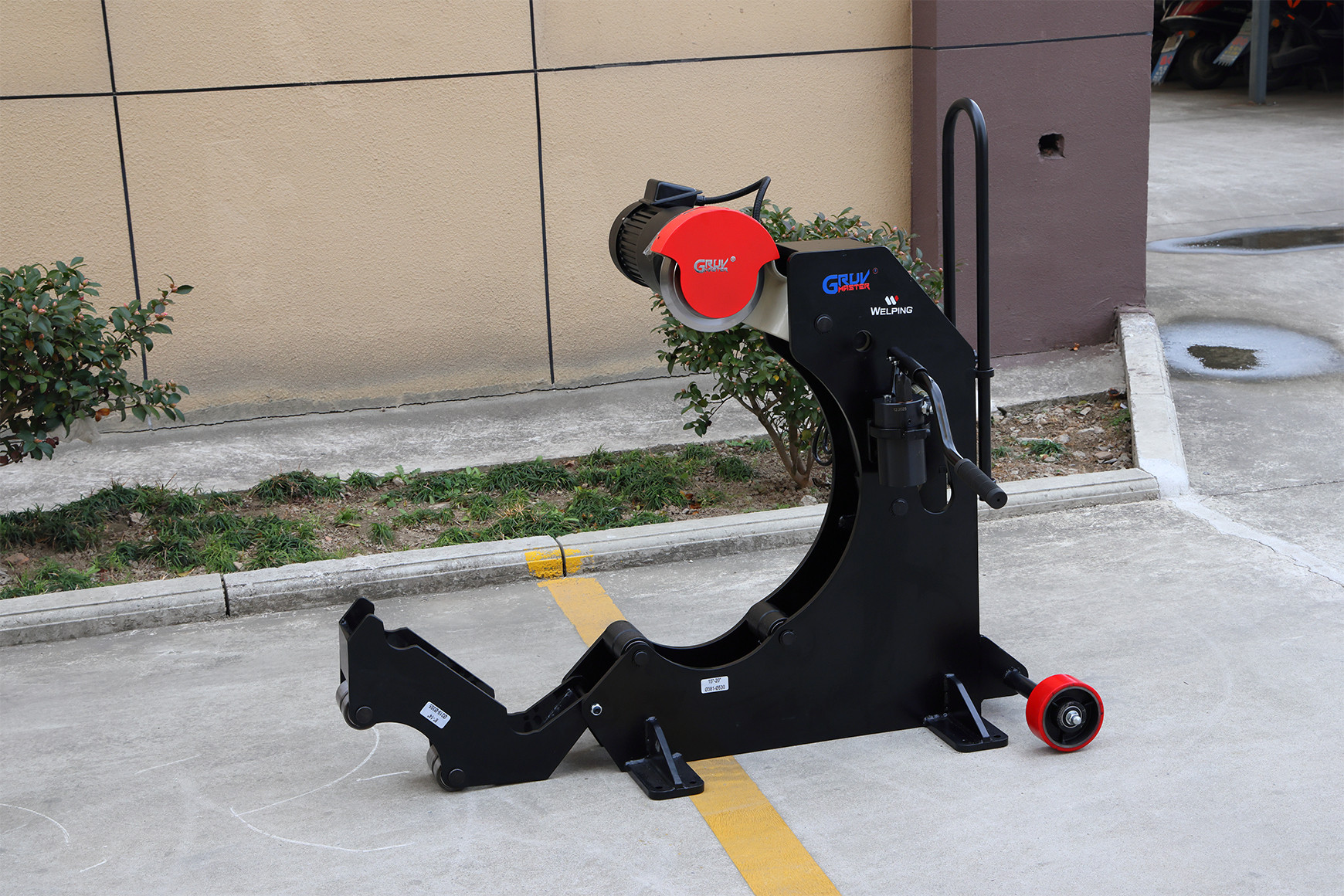
Compared with the CM-12, the CM-20 is positioned for medium to large diameter pipes and demanding job-site environments.
As pipe diameter and weight increase, the main challenge is no longer just cutting power but maintaining stable pipe support during cutting. The CM-20 is designed with these factors in mind.
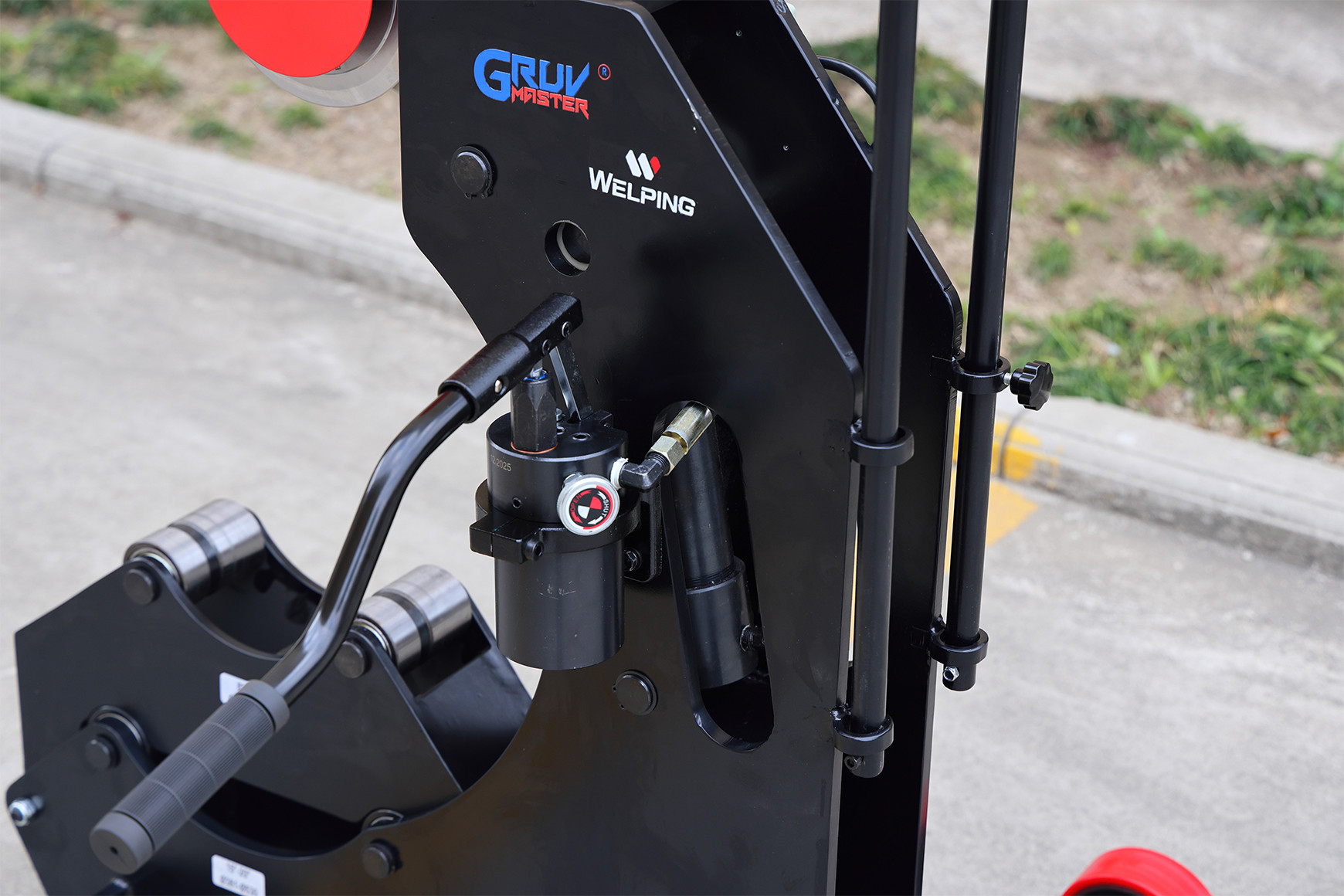
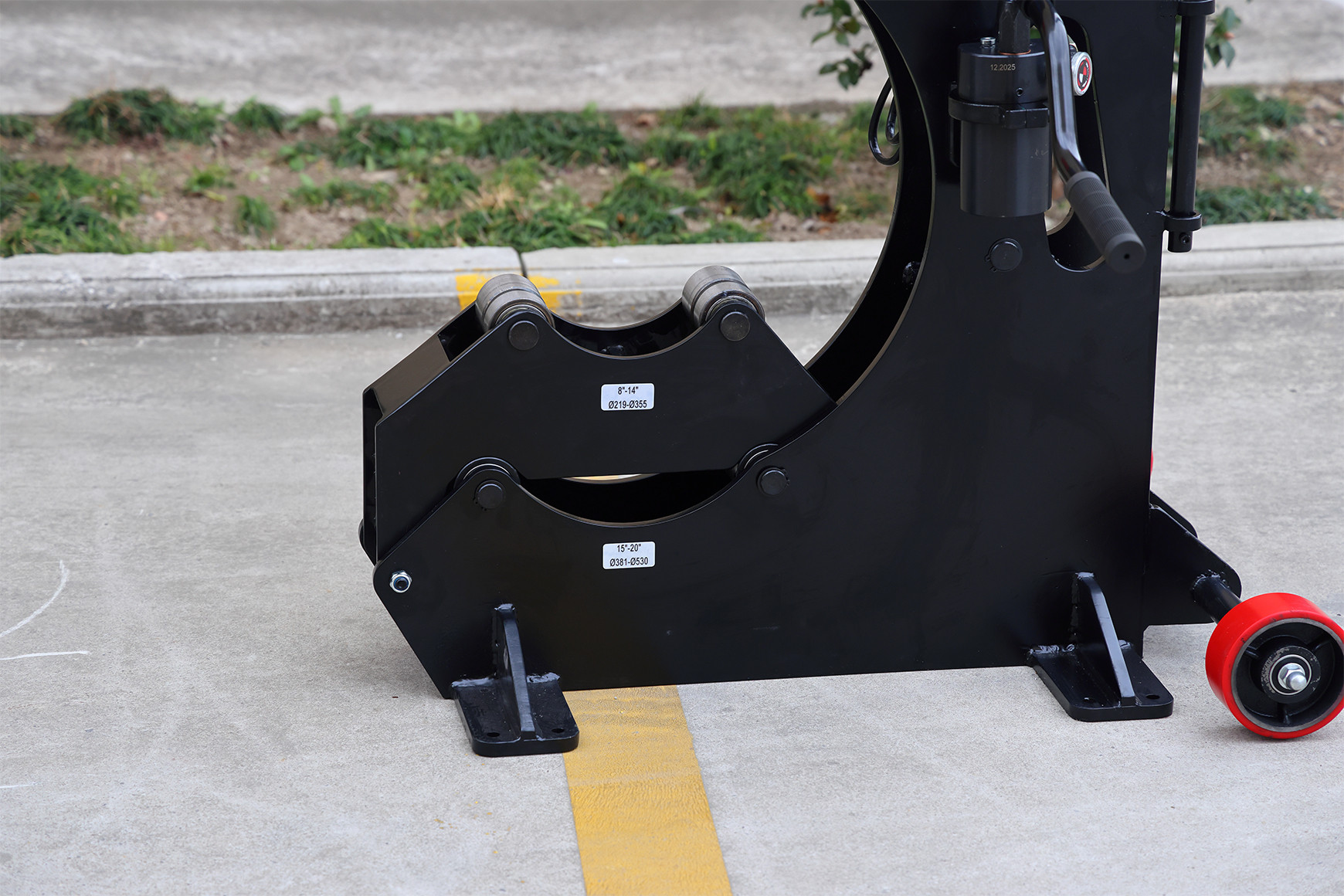
The machine integrates roller supports for different pipe sizes, allowing heavy and long pipes to be supported during cutting. This improves stability and reduces the need for manual assistance. Transport wheels and a pull handle make the machine easier to move around job sites or fabrication areas.
Main characteristics of the CM-20 include:
· Wider pipe size coverage for medium and large diameters
· Integrated roller support system for long and heavy pipes
· Improved suitability for field and job-site operations
· Structural design focused on stability and load capacity
Typical applications include:
· On-site pipe cutting work
· Cutting large-diameter or heavy steel pipes
· Situations where pipe stability during cutting is critical
Shared Cutting System and Design Concept
Although the two machines serve different purposes, they follow the same basic design concept.
Both models combine an electric drive with a hydraulic feeding system to perform cold cutting. This approach avoids sparks, microcracks, and rough cutting surfaces, which is important in environments where safety and cutting consistency are required.
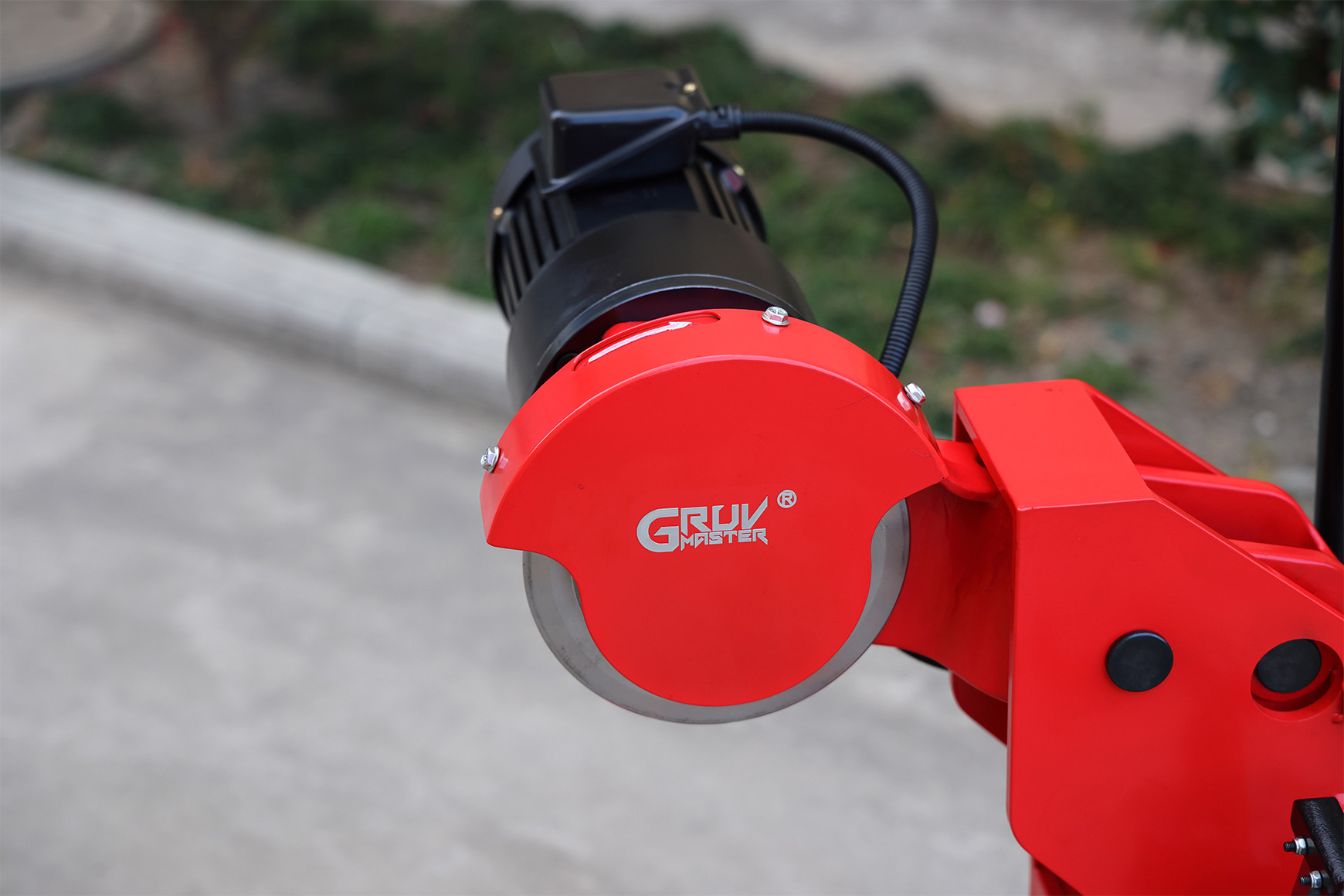
Another shared feature is the upgraded Gruvmaster cutting blade, which is used on both machines.
In real working conditions, many standard blades begin to lose sharpness after only six or seven cuts. The Gruvmaster upgraded blade, however, has demonstrated much better durability in testing, maintaining close-to-new sharpness even after around 25 consecutive cuts. This longer service life helps reduce blade replacement frequency and improves overall cost efficiency.
Key Differences in Application
From a practical selection standpoint, CM-12 and CM-20 are not competing models. Instead, they address different types of working requirements.
· CM-12 is better suited for users who mainly cut small to medium pipes in relatively stable workshop environments where efficiency and simple operation are priorities.
· CM-20 is more appropriate for users working with larger pipe diameters, heavier materials, or field conditions where strong pipe support and machine mobility are essential.
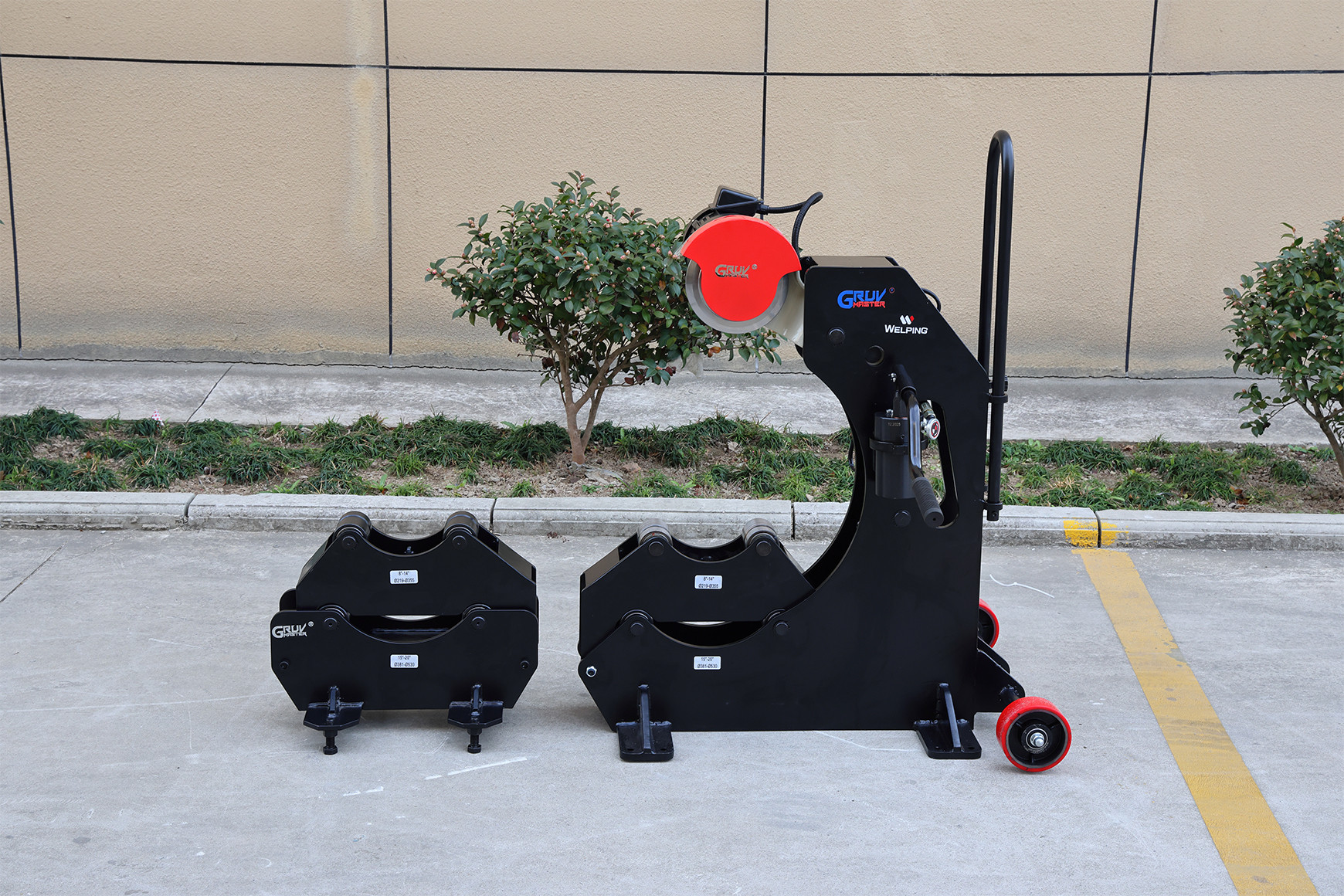
| Model | Pipe Size Range | Working Environment | Key Advantage |
| CM-12 | Small–Medium pipes | Workshop / Prefabrication | Compact & efficient |
| CM-20 | Medium–Large pipes | Job site / Field | Stable pipe support |
Conclusion
The CM-12 and CM-20 are designed to serve different pipe size ranges and working scenarios rather than replacing each other.
Once the pipe diameter, working environment, and frequency of use are clearly defined, choosing the right model becomes straightforward.
For more detailed technical specifications and configuration options, please refer to the corresponding product pages.