How to Install PE Reducing Couplings in Series
- Share
- Issue Time
- Sep 1,2026
Summary
Connecting PE reducing couplings in series increases cumulative risk at the joints. If series connection cannot be avoided, use compliant fittings, follow PE butt fusion or electrofusion procedures, and pressure-test the entire piping system.
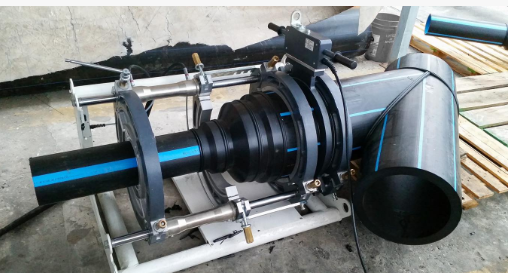
Connecting multiple reducing couplings in series, while physically feasible, introduces a number of hidden risks into the system and is generally not considered good engineering practice. The more reducing couplings are connected in series, the greater the cumulative risk at the joints. Even if the welding is done well, the risks that must be borne increase exponentially. If the reduction span is too large for a single fitting to handle, consider using special fittings whose size range and pressure rating can both match the requirements. If series connection is unavoidable because the design drawings require it, extra care must be taken during installation: Check that all reducing couplings meet the requirements of national standards such as Polyethylene (PE) Piping Systems for Water Supply, ensuring consistent material and pressure rating. Perform PE butt fusion or PE electrofusion connections strictly in accordance with specifications, ensuring that cleaning, alignment, heating time, and cooling time all meet requirements. After installation is complete, the entire piping system must undergo rigorous pressure testing, with particular attention paid to whether any series-connected joints show leakage.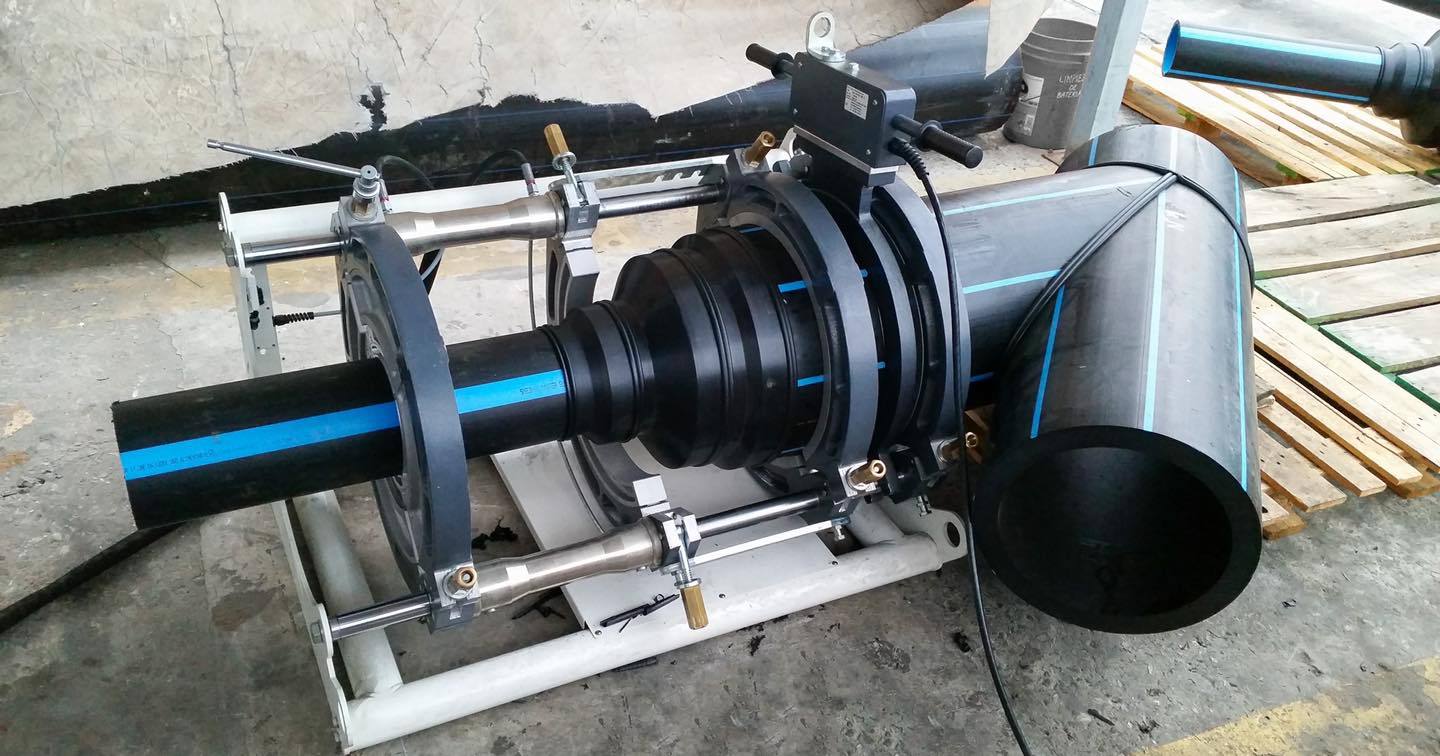
How Can We Mitigate This Problem?
When Series Connection Is Unavoidable
1. Ensure Fittings Comply with Standards
2. Strictly Follow Every Step
3. Conduct Thorough Pressure Testing