OGS vs AGS: Understanding Their Roles in Pipe Grooving
- Share
- publisher
- RUBR
- Issue Time
- May 2,2026
Summary
OGS and AGS are two key grooving standards used in pipe connections. While OGS is widely applied in standard pipe sizes, AGS is designed for large-diameter applications where higher joint stability is required. This article explains their differences, selection logic, and compatible equipment, helping users better understand how to choose the right grooving standard.

In grooved piping systems, roll grooving is commonly used across fire protection, construction, and industrial installations.
In most discussions, attention tends to focus on the grooving machine itself, while the standards behind the groove profile are often overlooked.
Among these standards, OGS and AGS are two that are frequently encountered.
The difference between them becomes more relevant as pipe size increases, especially when connection stability starts to matter more.
OGS: The Standard Choice for General Applications
OGS, or Original Grooved System, is the most commonly used grooving specification.
It is designed for standard pipe sizes and is widely applied in small to medium diameter systems.
In most cases, it provides sufficient performance for general installation requirements, which is why it remains the default option in many projects.
AGS: Designed for Larger Pipe Sizes
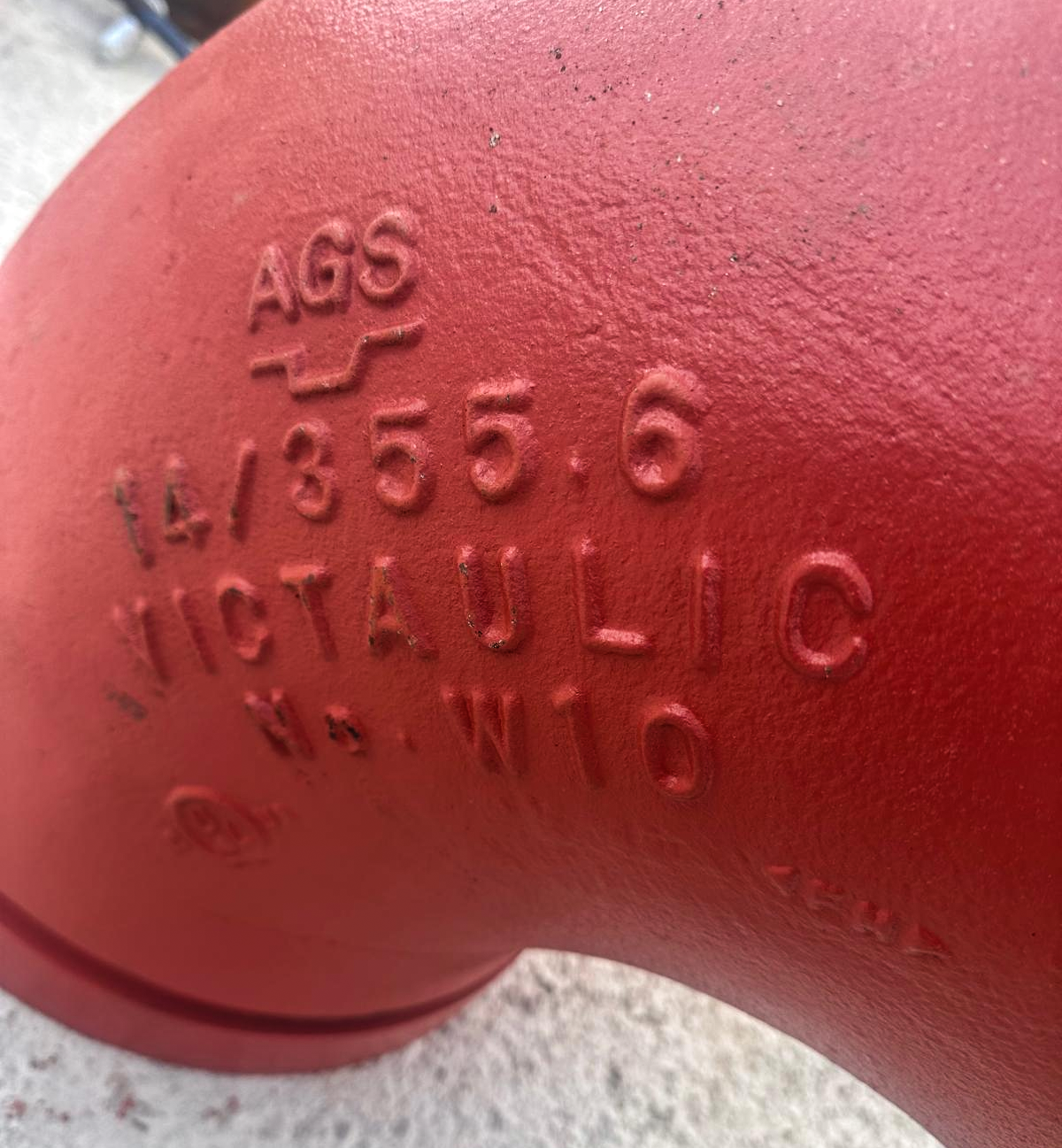
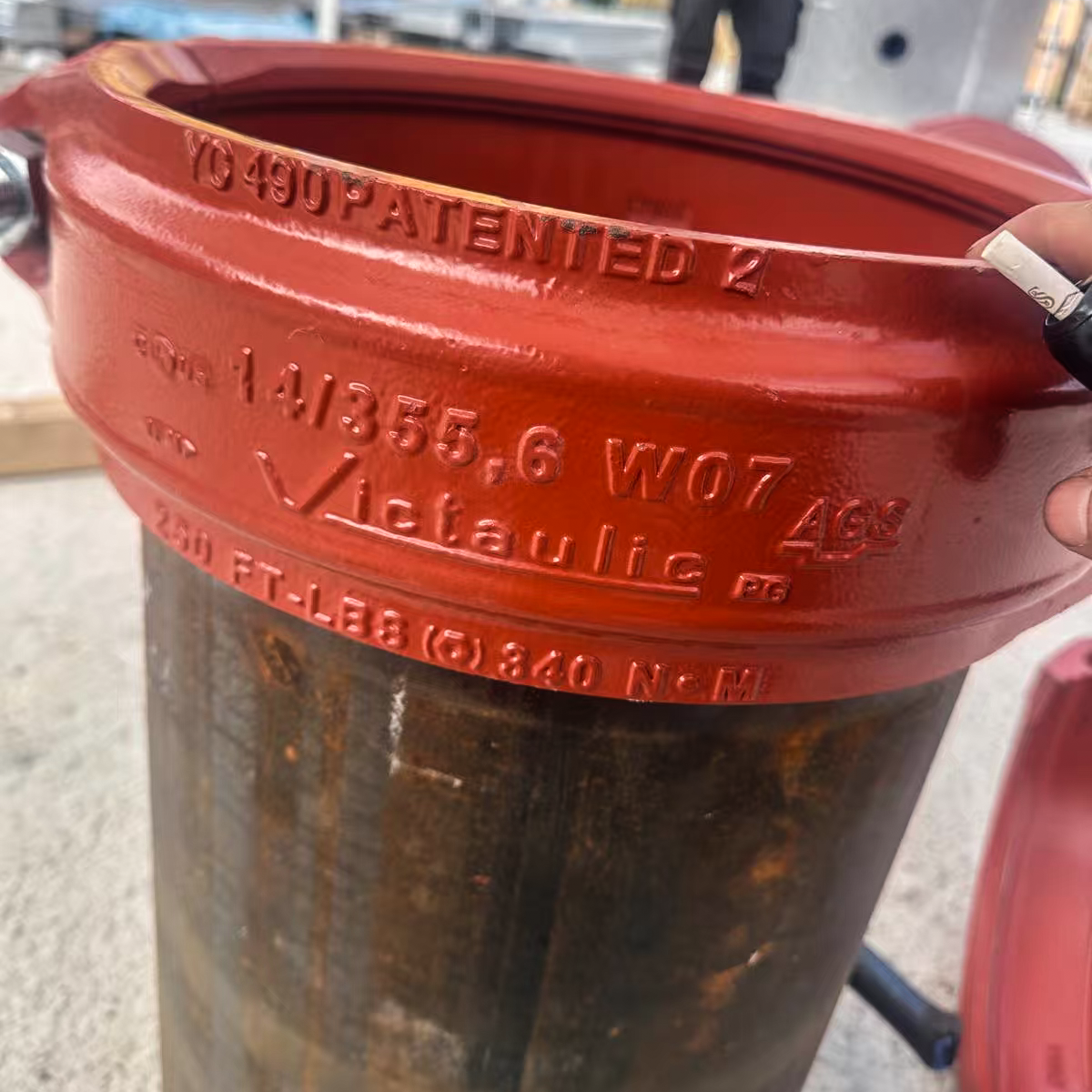
AGS, or Advanced Grooved System, is intended for larger diameter applications.
As pipe size increases, the requirements for joint strength and stability also change.
AGS is structured to accommodate these conditions, offering a groove profile better suited for handling larger pipes.
OGS vs AGS: Not a Replacement, but a Range Difference
In practice, OGS and AGS are not interchangeable standards.
Instead, they are applied in different ranges:
· OGS is used for standard pipe sizes and routine applications
· AGS is applied to larger diameters where higher joint stability is required
The distinction is mainly about application scope, rather than one being better than the other.
Choosing Between OGS and AGS
Selection depends largely on pipe diameter and working conditions.
For most standard systems, OGS is sufficient.
When pipe size increases — typically around 14 inches and above — AGS becomes a more suitable choice due to its structural characteristics.
Machine Compatibility for AGS Grooving
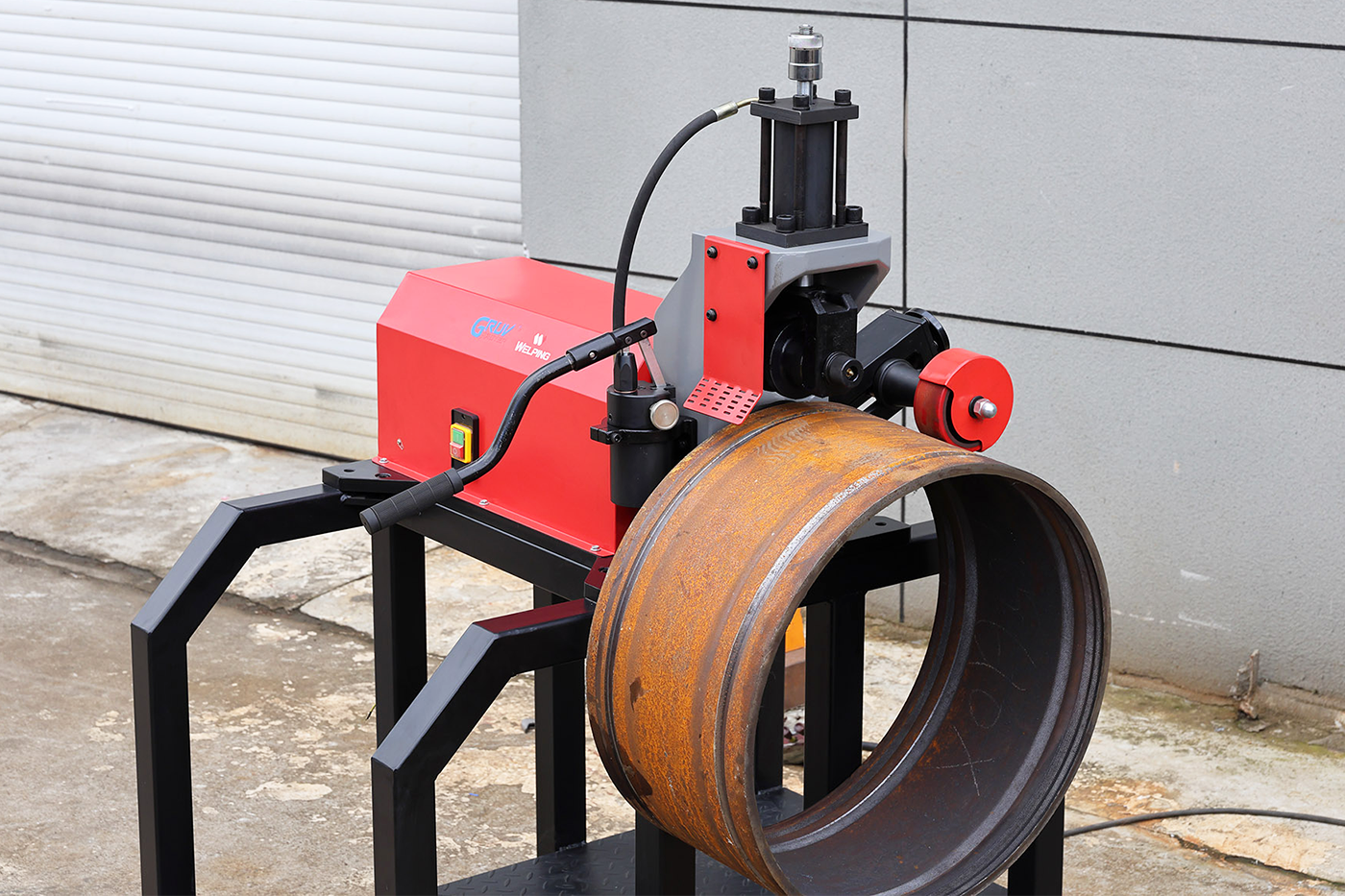
When working with AGS, the grooving machine must support compatible tooling to achieve the correct groove profile.
Within the Gruvmaster lineup, several models are designed to support AGS grooving sets, including:
· Hydraulic roll grooving machines: RG-4X, RG-4X Pro, RG-K32
· Automatic roll grooving machines: AG-2X, AG-4X
These machines can be equipped with AGS tooling for pipe sizes ranging from 14" to 24".
Final Notes
OGS and AGS serve different roles in grooved piping systems.
For larger diameter pipes, selecting the appropriate standard — along with compatible equipment — helps ensure a more stable and reliable connection.
Understanding how these standards differ can make equipment selection and on-site work more straightforward.