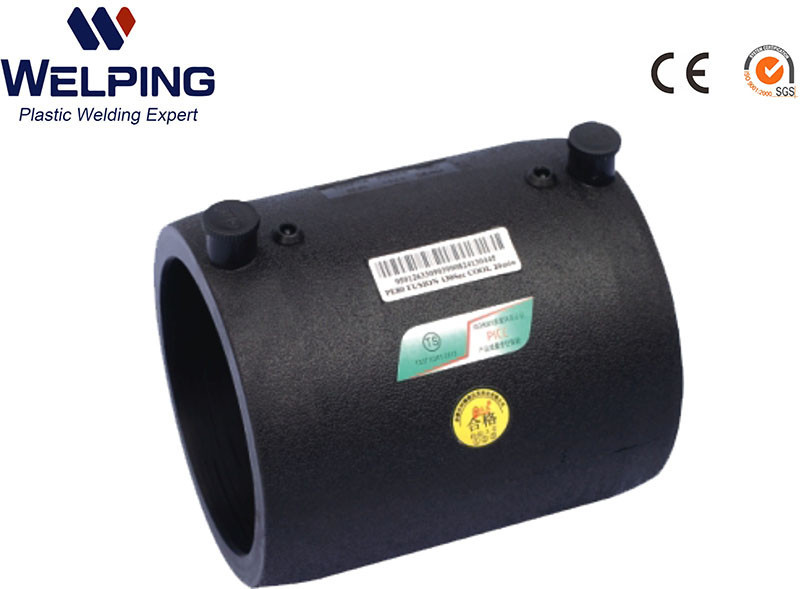
On-site Shot of Welding Defects in PE Electrofusion Fittings: Can Such Products Still Be Used?
- Share
- Issue Time
- Sep 7,2026
Summary
Do not use electrofusion fittings in case of jetting, short circuit, or other similar abnormal conditions.
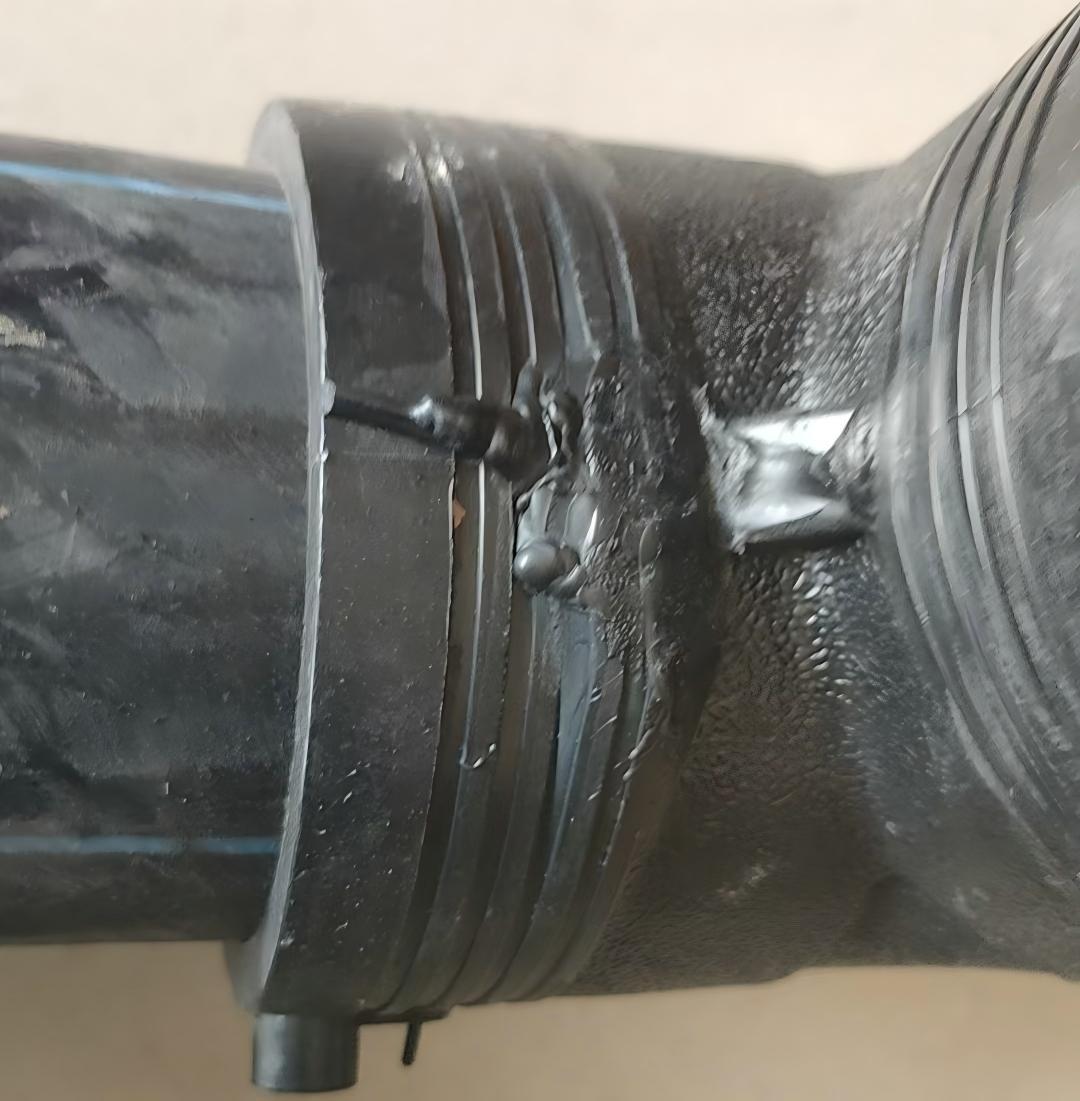
No. Do not use electrofusion fittings in case of jetting, short circuit, or other similar abnormal conditions. During the pre-welding inspection and welding process, if jetting, a short circuit, or another abnormal phenomenon occurs, the fitting shall be prohibited from use. Stop the welding operation immediately, then troubleshoot and handle the cause. During electrofusion welding, jetting refers to the phenomenon where a large amount of plastic melt gushes out from the observation hole of the fitting. It is mostly caused by excessive welding voltage, overlong welding duration, internal defects of the fitting itself, insufficient insertion depth of the pipe, or excessive clearance between the pipe and the fitting. Jetting will lead to the loss of molten material inside the fitting, inadequate fusion at the welding interface, and a significant drop in weld strength. This makes leakage and pipe burst highly likely in the later stage, posing a potential safety hazard of pipeline leakage. Electrofusion fittings with jetting defects are not allowed to be repaired and reused. They must be directly scrapped and replaced with new ones. Meanwhile, check the welding machine parameters and troubleshoot installation problems before re-welding. After the welding machine is connected to the terminals of the electrofusion fitting, the equipment may prompt a short circuit and give an alarm, with sparking and heating at the wiring part. This is generally caused by a damaged resistance wire inside the fitting, overlapping resistance wires, damp and oxidized terminals, or a short circuit at the wiring terminals. A short circuit can cause overload damage to the welding machine and spark burns to operators. A short circuit of the resistance wire inside the fitting will also lead to abnormal heating, making it impossible to form effective fusion and resulting in weld failure. When a short-circuit alarm occurs, disconnect the output of the welding machine immediately. It is forbidden to force continued welding. Scrap the fitting, check the welding cable, eliminate the line fault, replace it with a qualified fitting, and then carry out welding. In addition to jetting and short circuits, do not use electrofusion fittings with cracked bodies, damaged or deformed terminals, exposed resistance wires, dampness or water infiltration, or obvious collision damage. Fittings with abnormal welding are strictly prohibited from being buried and put into the pipe network, helping prevent pipe rupture and water leakage accidents during later pipeline operation.Can Products with These Welding Defects Still Be Used?
Defects That Require Immediate Rejection
1. Jetting
2. Short Circuit
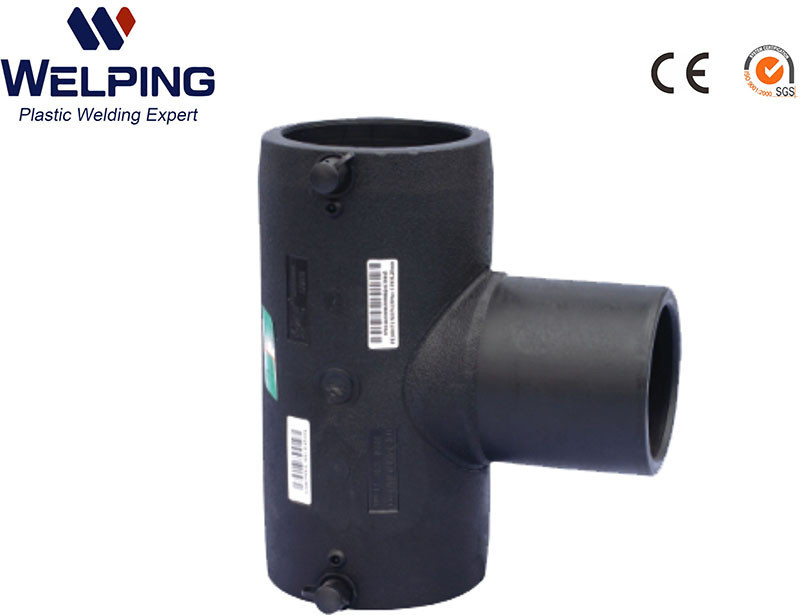
Other Conditions That Prohibit Use
How to Weld a Pipe Fitting Properly