Grooving 8"–24" Pipes: Why Structure Matters More Than Power
- Share
- publisher
- RUBR
- Issue Time
- Mar 13,2026
Summary
Grooving large steel pipes from 8" to 24" introduces challenges that go beyond simple machine power. Structural rigidity, hydraulic stability, and controlled roller pressure play a critical role in achieving consistent groove quality. This article explains the key factors affecting large-diameter grooving and discusses how machines like the RG-4X are designed to address these operational demands.
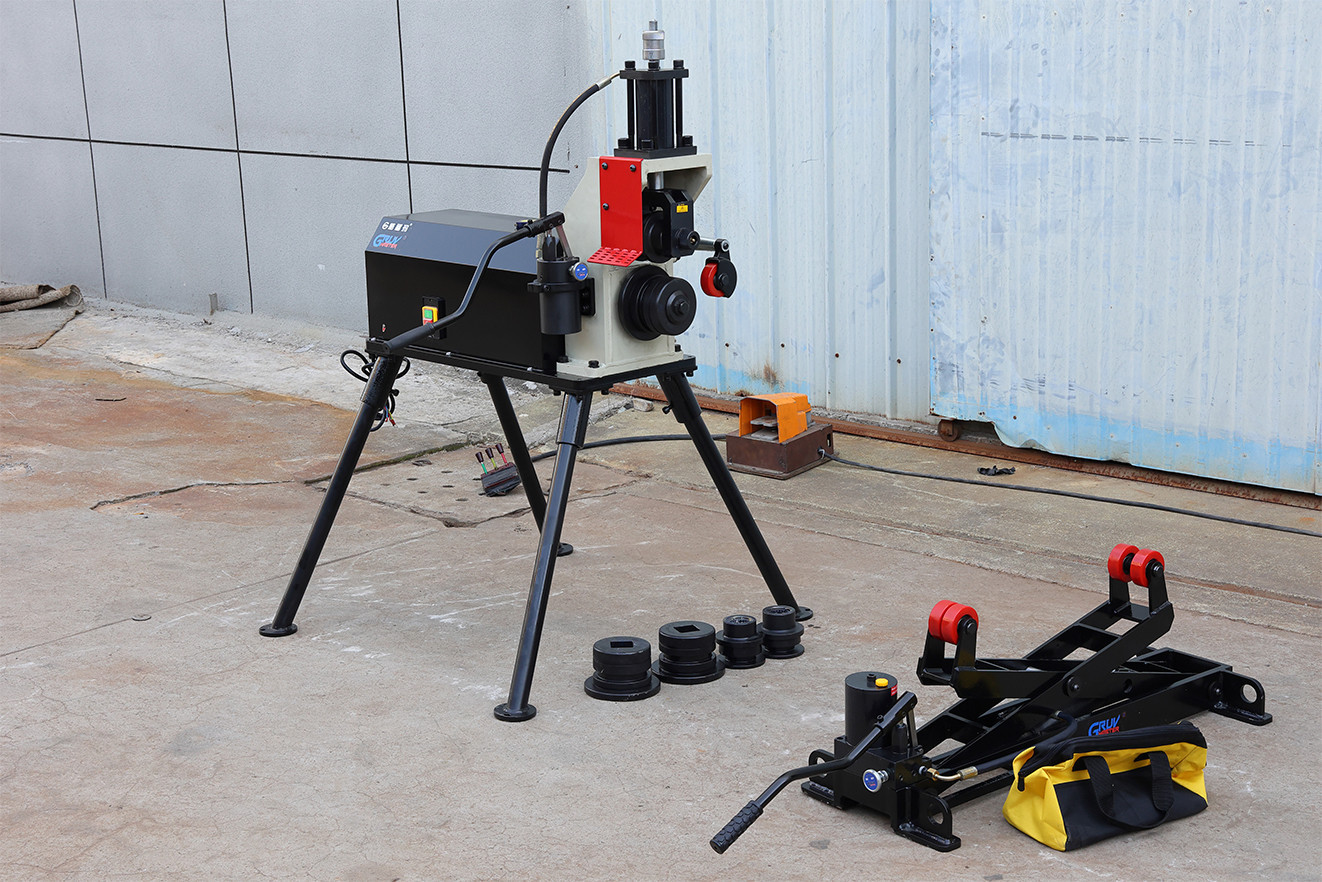
In many pipeline projects, roll grooving machines are often considered secondary equipment.
However, once problems begin to appear, it quickly becomes clear that choosing the wrong machine can lead to persistent inefficiencies.
When pipe diameters exceed 8 inches, grooving is no longer a simple task.
The operating conditions change, and the machine’s structural capability becomes far more important.
The Real Challenges of Large-Diameter Grooving
With smaller pipes, grooving tends to be a routine and highly repeatable operation.
But as pipe sizes increase, the process becomes more demanding.
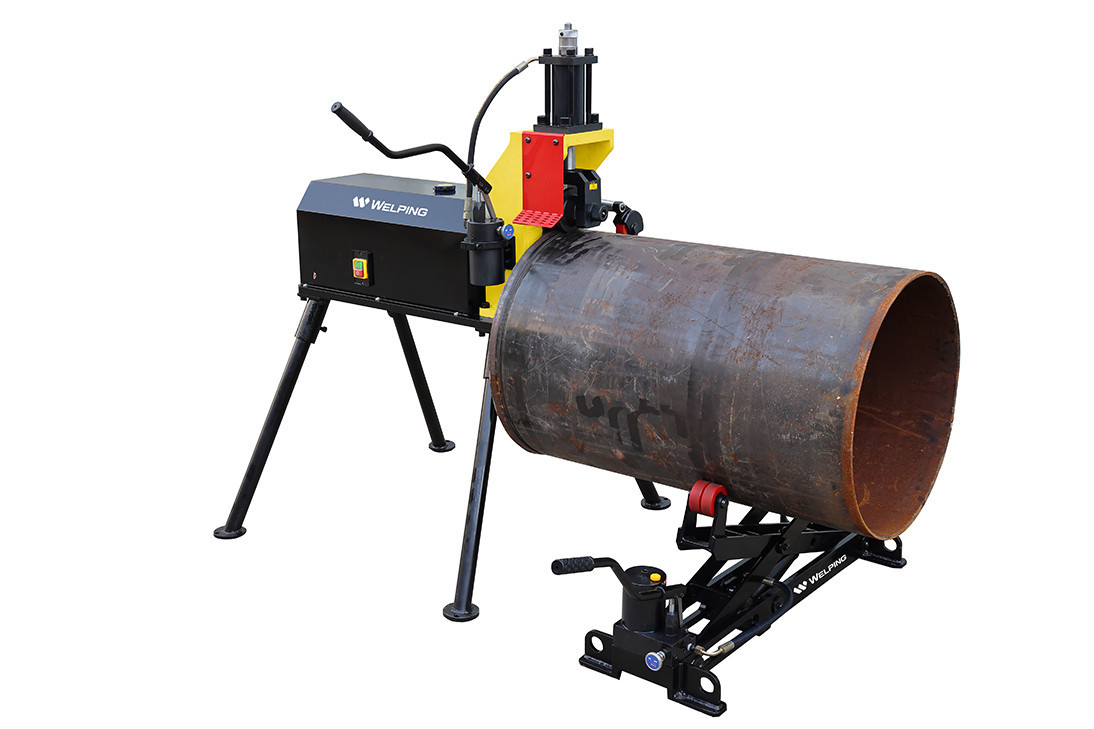
With smaller pipes, grooving tends to be a routine and highly repeatable operation.
But as pipe sizes increase, the process becomes more demanding.
Several common challenges start to emerge:
· Heavier pipes require stronger structural support to minimize vibration
· Hydraulic systems may struggle to maintain stability during prolonged operation
· Maintaining consistent sealing surface length becomes more difficult
· Roller pressure distribution begins to affect groove repeatability
· Overall productivity decreases during continuous work cycles
In this size range, raw power is rarely the key factor.
What truly determines performance is the machine’s structural stability, hydraulic consistency, and repeatable precision.
If the machine was not originally engineered for this pipe range, operators often need to compensate through manual adjustments and experience.
But operator skill alone cannot replace proper mechanical design.
How to Evaluate a Grooving Machine for 8"–24" Pipes
When selecting equipment for medium to large steel pipes, several aspects deserve careful consideration.
1. Is the machine structurally designed for this diameter range?
1. Is the machine structurally designed for this diameter range?
2. Can the hydraulic system maintain stability during long operating cycles?
Large-diameter grooving frequently involves batch processing.
In such conditions, long-term hydraulic stability matters far more than short bursts of force.
3. Does the roller system support controlled groove formation?
A well-designed roller system should provide consistent groove formation and sealing surface accuracy without requiring frequent manual adjustment.
4. Is the machine suited to its working environment?
Heavy-duty workshop equipment and mobile job-site machines are designed for different purposes.
Selecting the right machine depends on where and how it will be used.
In This Context, RG-4X Becomes a Suitable Option
Within this framework, the RG-4X is positioned specifically for this pipe range.
It is engineered for 8"–24" (DN200–DN600) steel pipes, with its structural design focused on heavy-duty workshop operation.
· The split hydraulic system is intended to support long-term operational stability.
· The interlocking roller configuration helps maintain consistent sealing surface formation.
· Meanwhile, the machine’s overall frame and support design are optimized for fixed workshop environments handling intensive workloads.
The RG-4X is therefore not designed as a mobile, general-purpose grooving machine. Instead, it functions as a stable and dedicated platform for medium to large diameter grooving applications.
For projects where repeatability and structural reliability are essential when working with larger steel pipes, the RG-4X fits naturally within those requirements.
About RG-4X PRO
Built on the RG-4X platform, the RG-4X PRO introduces additional structural and configuration improvements aimed at more demanding industrial environments.
While the standard RG-4X addresses the fundamental requirements of large-diameter grooving, the PRO version is intended for users seeking a higher-level solution within the same working range.
For more detailed information about these enhancements, you can visit the RG-4X PRO product page.