From Cutting to Installation: The Small Component That Keeps Everything Stable
- Share
- publisher
- RUBR
- Issue Time
- Apr 13,2026
Summary
Pipe support is often overlooked in grooved piping systems, yet it plays a critical role in long-term performance. While cutting and grooving ensure proper installation, improper support can lead to sagging, uneven stress, and reduced system stability over time. Reliable pipe hangers help maintain alignment, distribute load, and prevent issues that only appear during long-term operation.
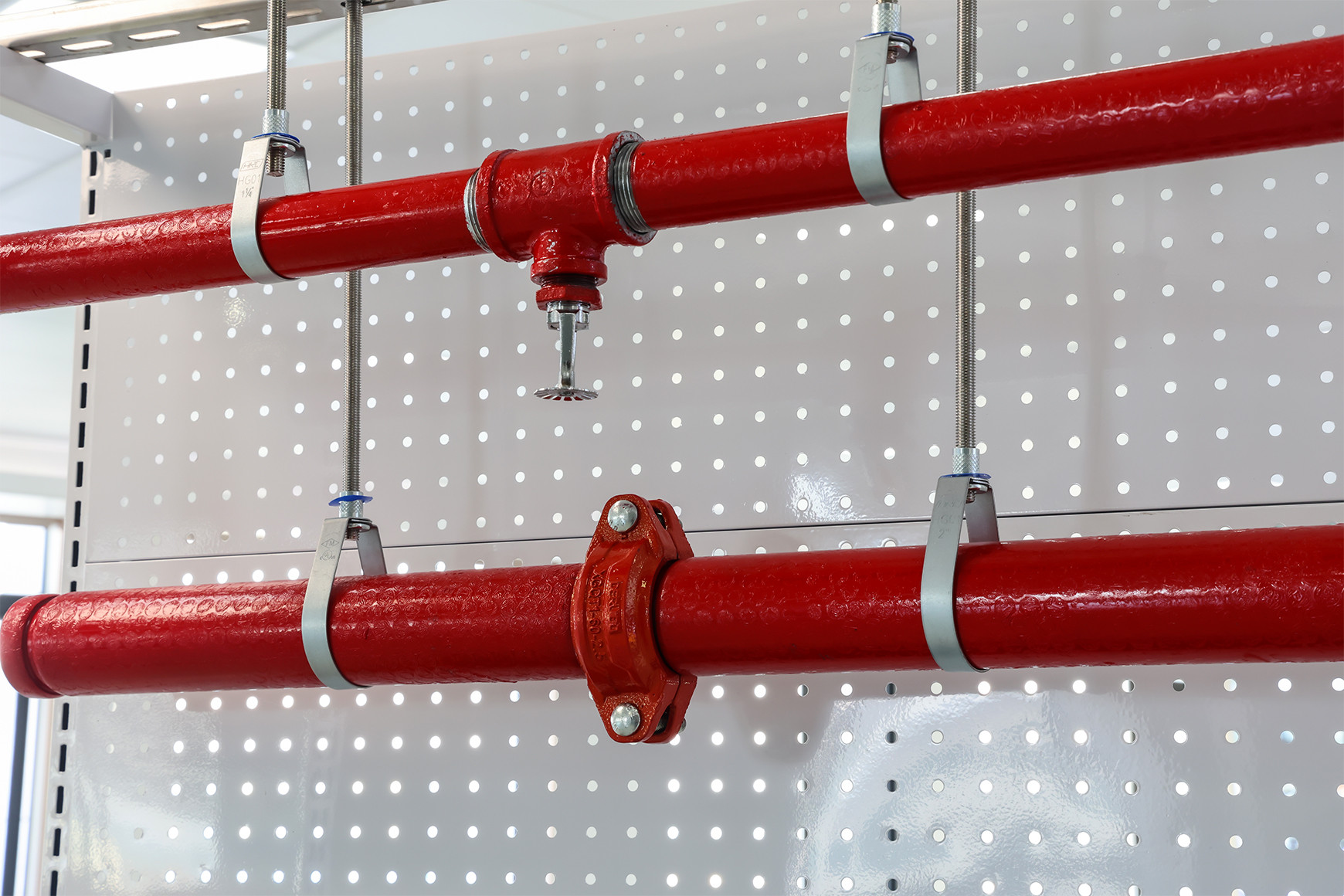
In grooved piping systems, most of the attention tends to go to the main equipment—pipe cutters, roll groovers, and the quality of the groove itself.
But on any real job site, there’s a much simpler element working quietly in the background:
how the pipe is supported.
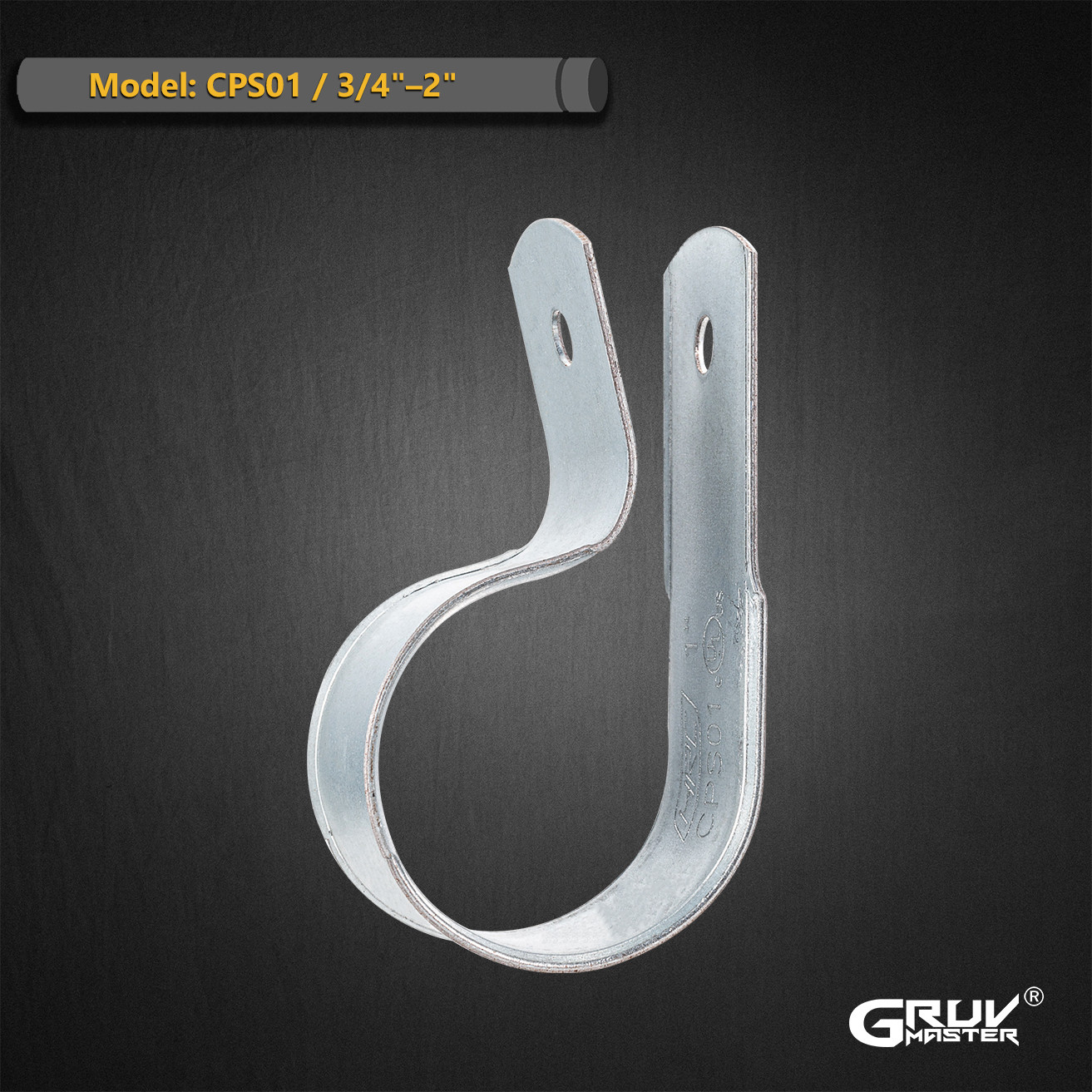
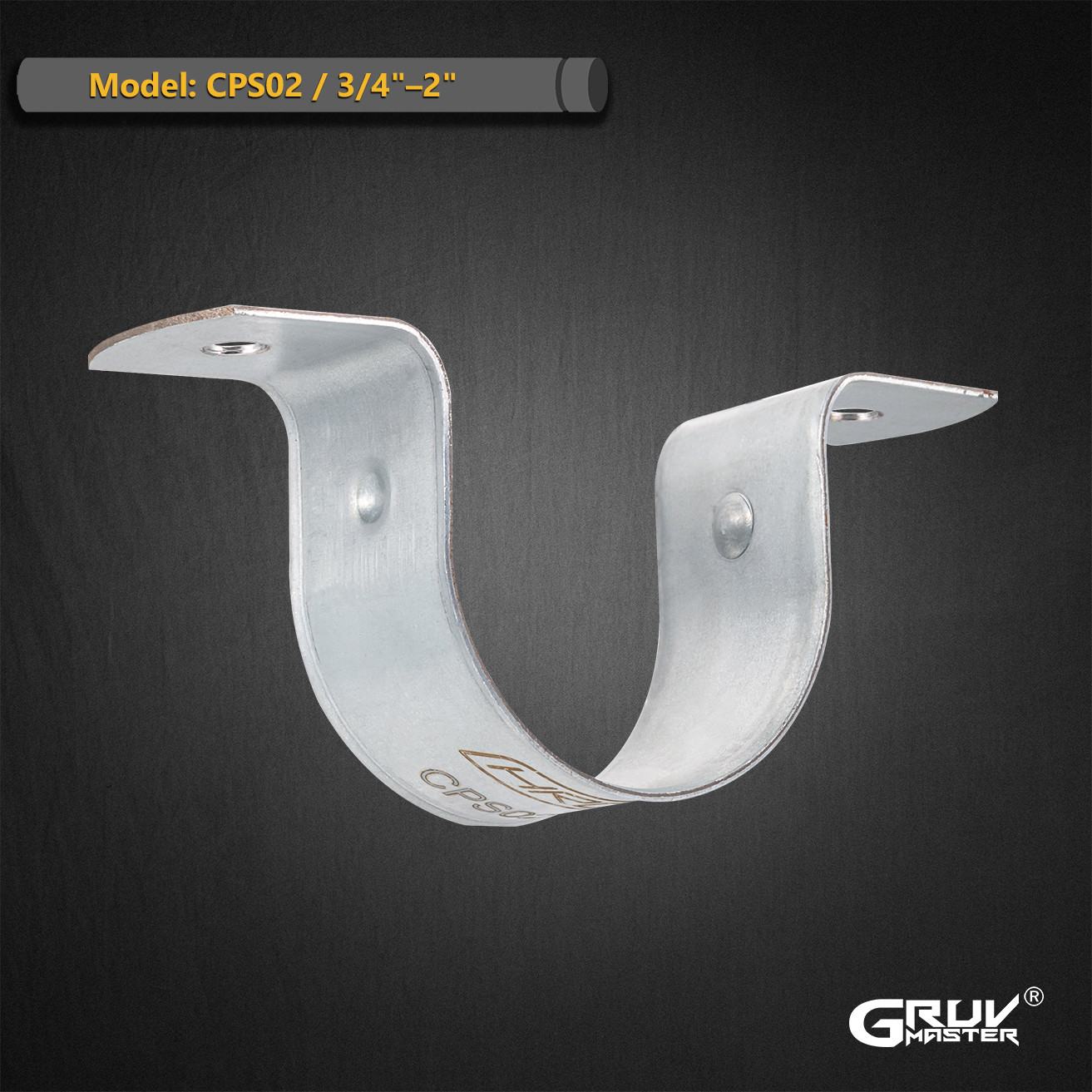
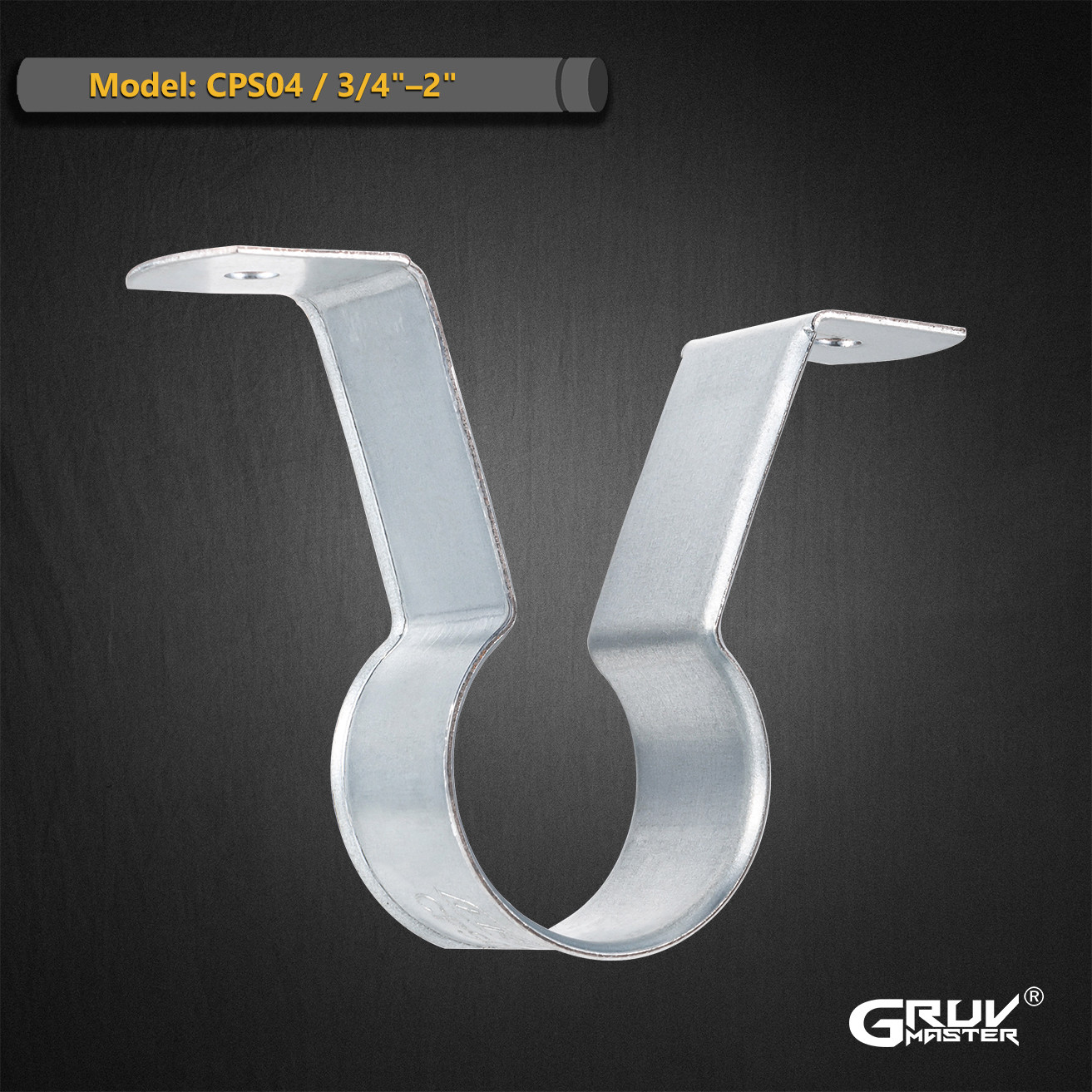
Pipe clamps and hangers may seem insignificant, yet they are involved in every installation—and they have to perform reliably over time.
Within the Gruvmaster system, they are not just add-ons, but part of the complete workflow.
Pipes Don’t Just Stay in Place on Their Own
It’s easy to assume that once a pipe is installed, the job is done.
In reality, the pipe must remain stable under load for years.
That’s exactly what hangers are responsible for:
· Holding the pipe securely to prevent sagging
· Maintaining alignment over time
· Distributing weight evenly across the system
None of these functions are complex, but if they are overlooked, problems usually appear later.
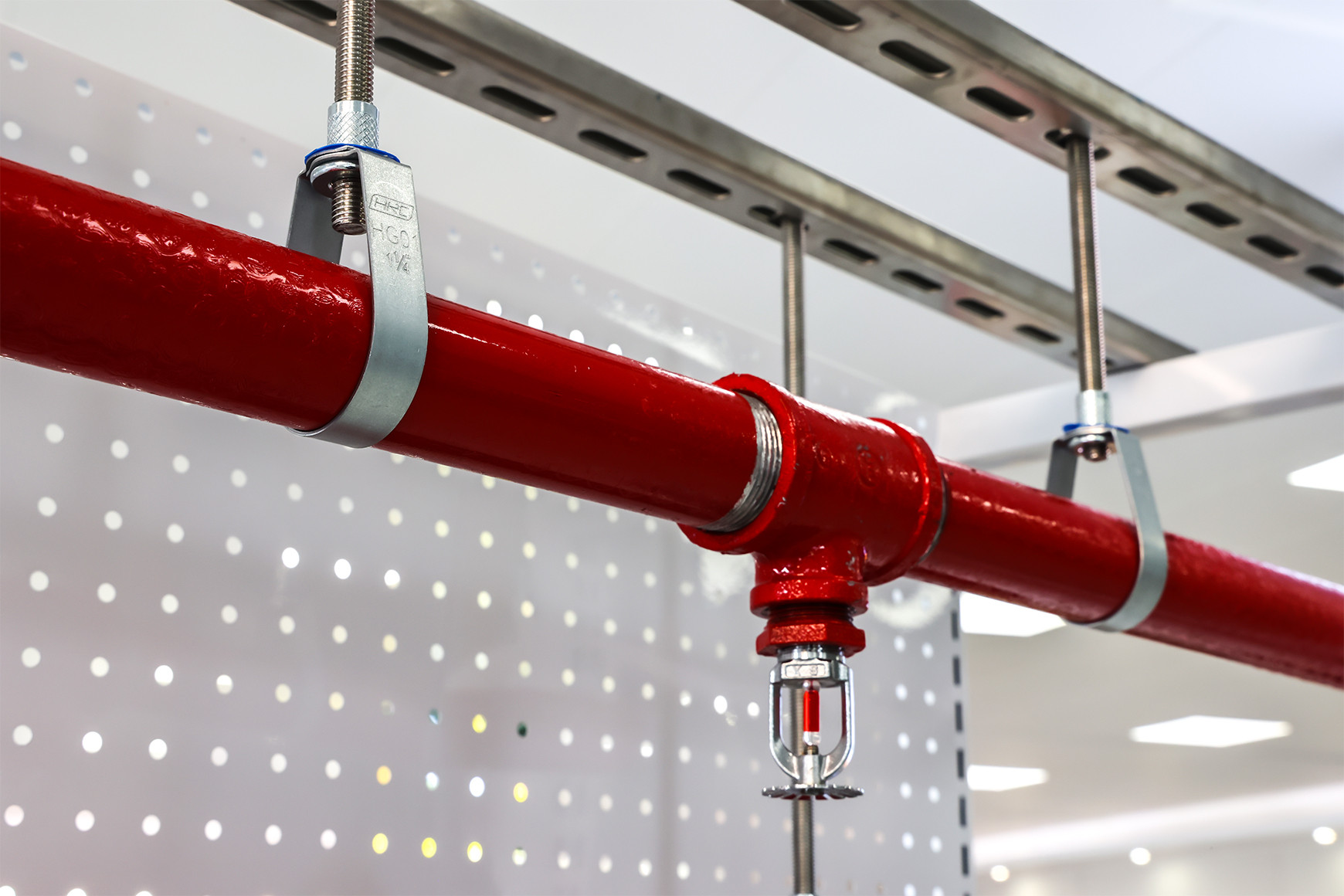
Why Support Matters More in Grooved Systems
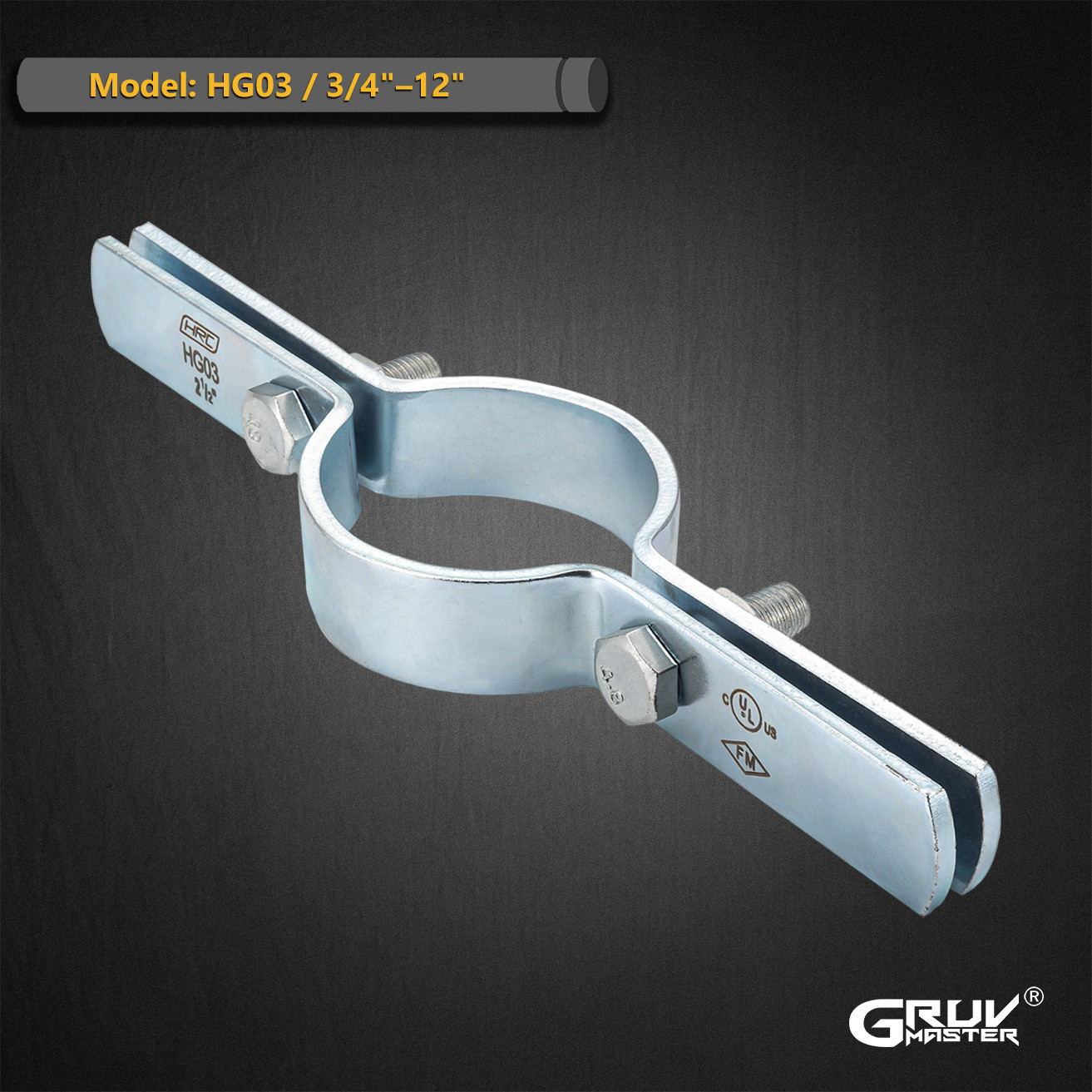
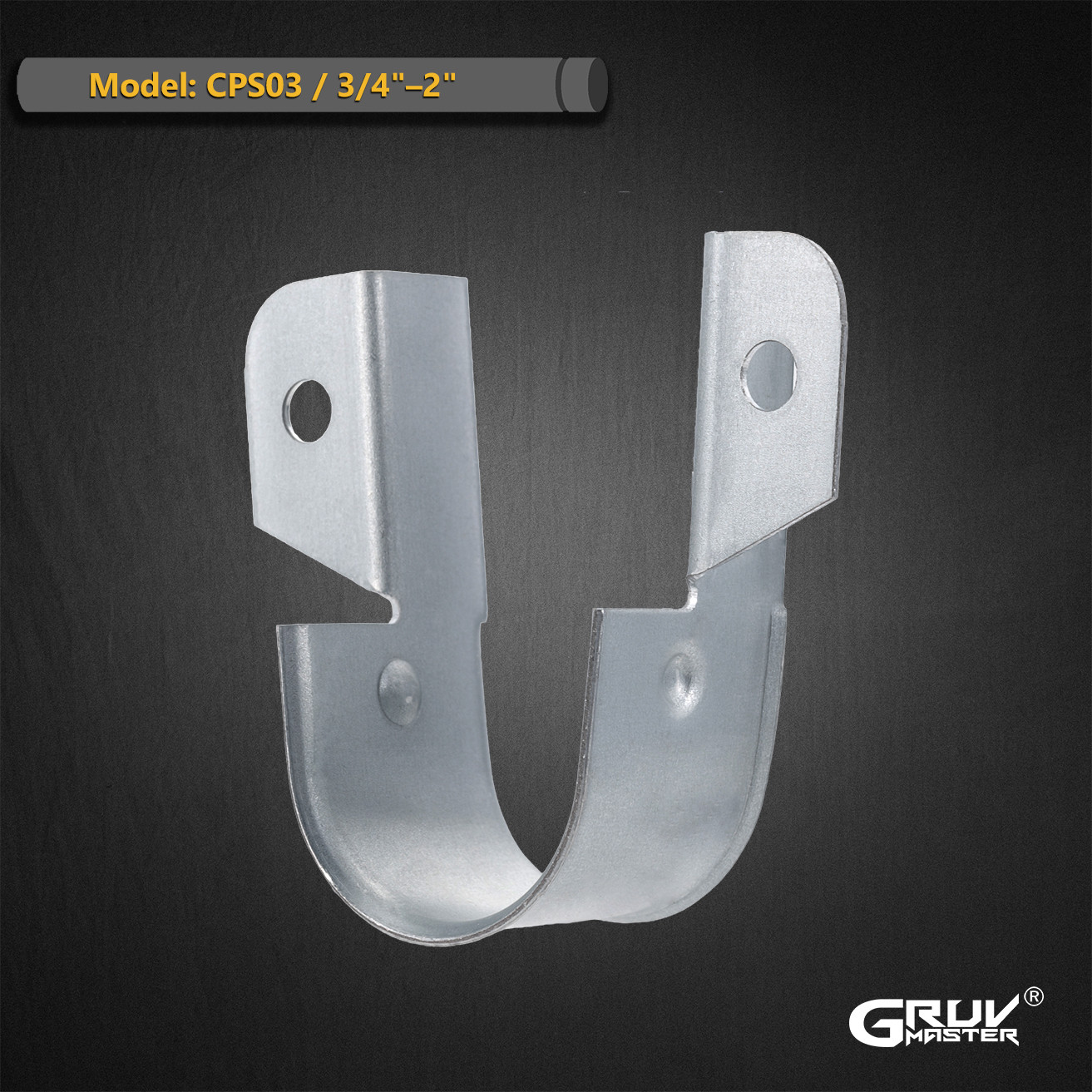
This type of pipe clamp is one of the most commonly used designs on site.
There’s a reason it has remained largely unchanged:
· Simple structure, easy to install
· Adjustable for different pipe sizes
· Quick height adjustment using threaded rods
· Suitable for a wide range of job-site conditions
It’s not about being advanced— it’s about being reliable and practical.
A Simple Design That Continues to Work
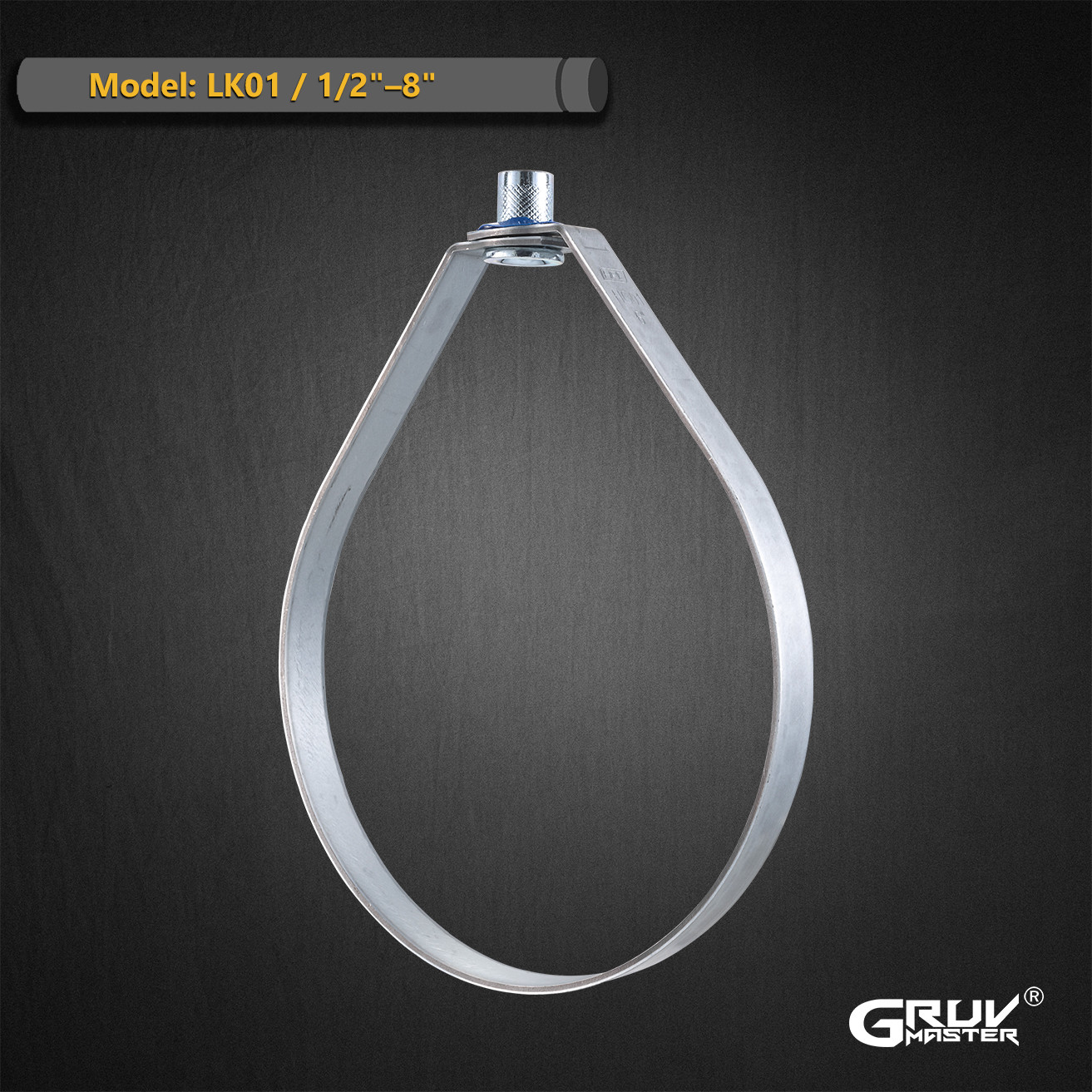
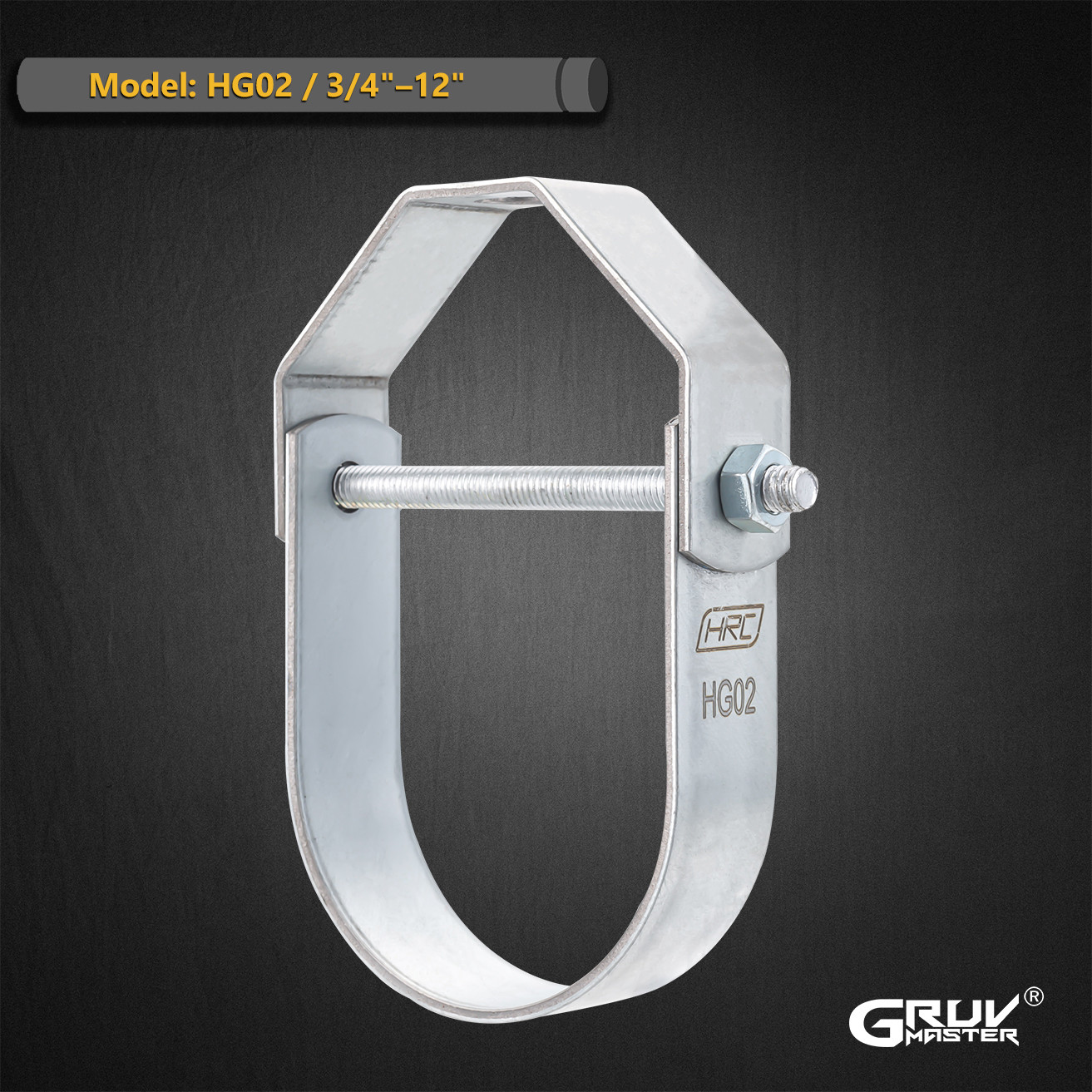
The clamp design shown here is one of the most widely used in the field—and for good reason:
· Simple structure, easy to install
· Adjustable for different pipe sizes
· Quick height adjustment using threaded rods
· Suitable for a wide range of job-site conditions
It’s not about advanced design—it’s about consistent, practical performance.
Looking at the Entire Process
If we look at the full workflow, the role of each step becomes clear:
· Pipe cutting
· Roll grooving
· Assembly
· Support and fixing
The early stages ensure the pipe can be installed.
The final stage ensures it stays in place.
Both are equally important.
Issues That Only Appear Over Time
Some problems don’t show up immediately. They develop gradually during operation:
· Pipes beginning to sag
· Increased stress on connections
· Reduced overall system stability
In many cases, the root cause is not the equipment or the groove quality—but insufficient or improper support.
Final Thought
Pipe hangers are rarely the focus of discussion.
But without them, the reliability of the entire system is affected.
They are simple components—
quiet in function, but essential in performance.
For anyone working with grooved piping systems—whether in fire protection or industrial applications—
it’s worth paying attention not only to the equipment, but also to how the system is supported.
Gruvmaster approaches the process as a whole, from cutting and grooving to final installation support, based on real job-site requirements.