Gear-Driven vs Chain-Driven Facer: Where Stability Comes From
- Share
- publisher
- RUBR
- Issue Time
- Apr 18,2026
Summary
Both drive systems are capable of completing the facing process.
However, for long-term use and higher load applications, gear-driven facers provide more stable and predictable results, making them more suitable for large-diameter butt fusion work.
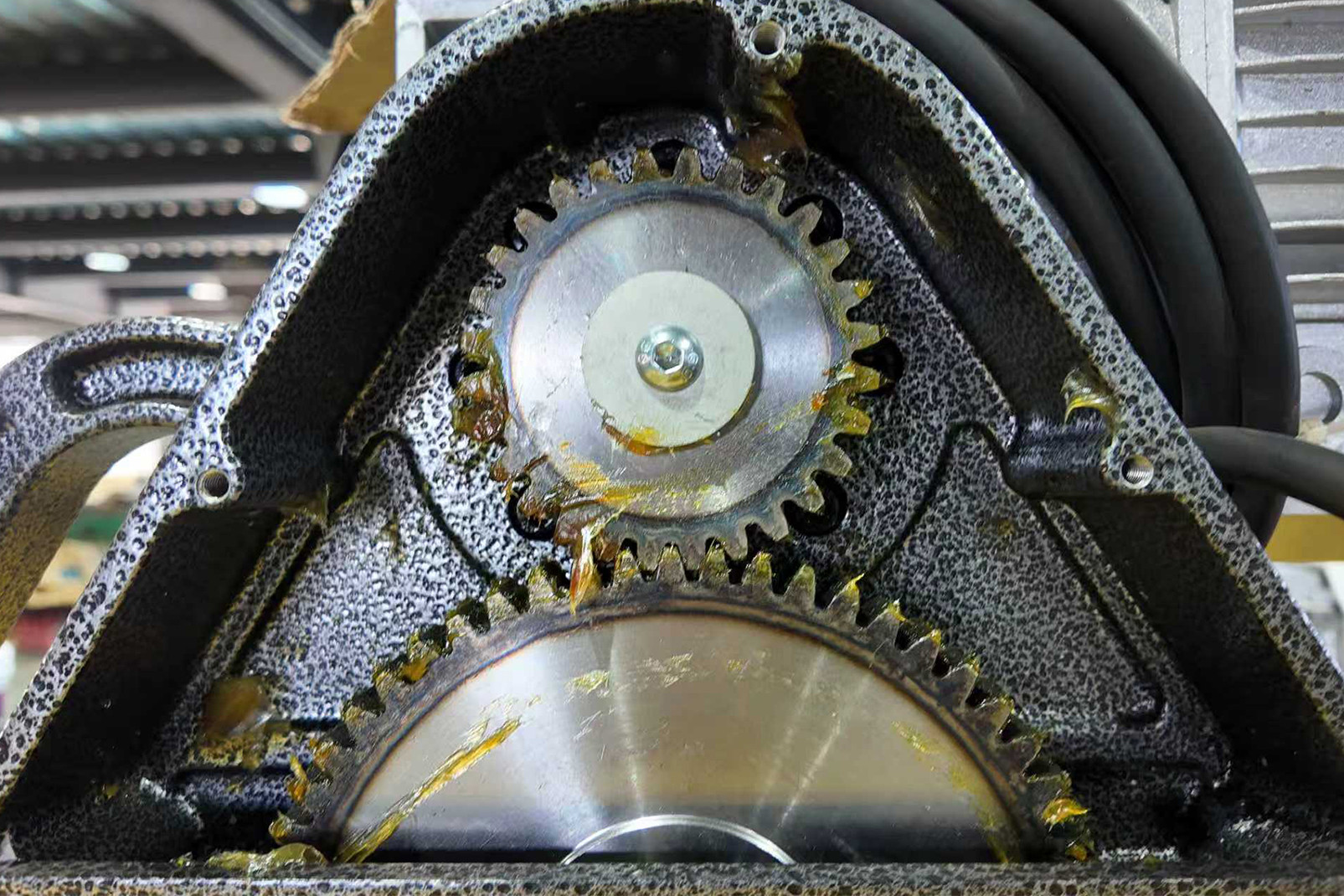
Sample ContentDuring the facing stage of butt fusion welding, instability is not always related to the cutting blades.
In many cases, the drive system plays a more important role.
Two common designs are used in facer units: chain-driven and gear-driven.
Chain-Driven Facer: Practical Limitations
Chain-driven systems are widely used due to their simple structure.
However, in real working conditions, some limitations tend to appear over time:
· Sample ConChains can gradually loosen with use
· Vibration may occur under varying loads
· Periodic adjustment and lubrication are required
· Replacement and maintenance can be less convenienttent
These factors may affect the consistency of the facing process, especially in continuous operation.
Gear-Driven Facer: More Controlled Transmission
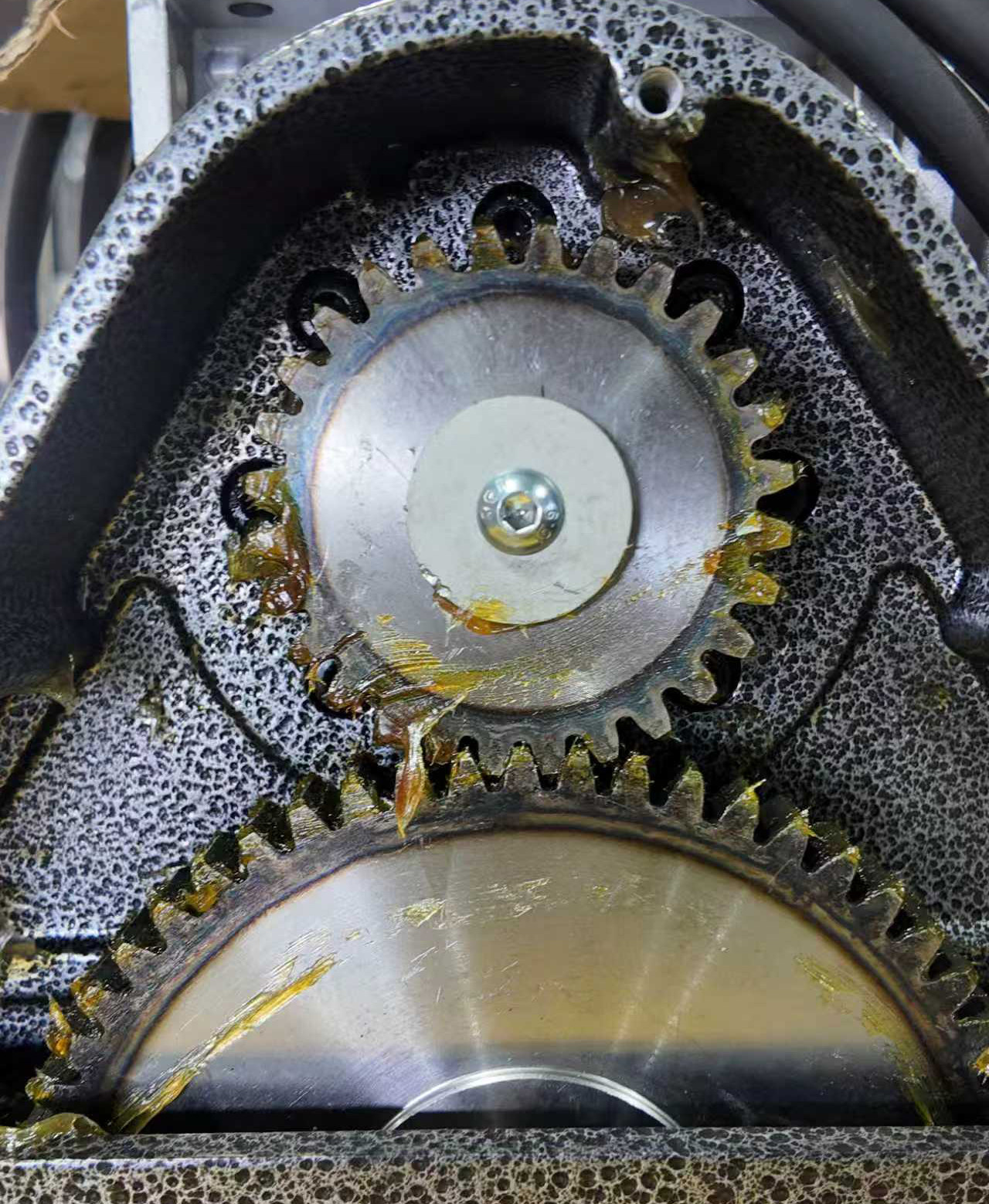
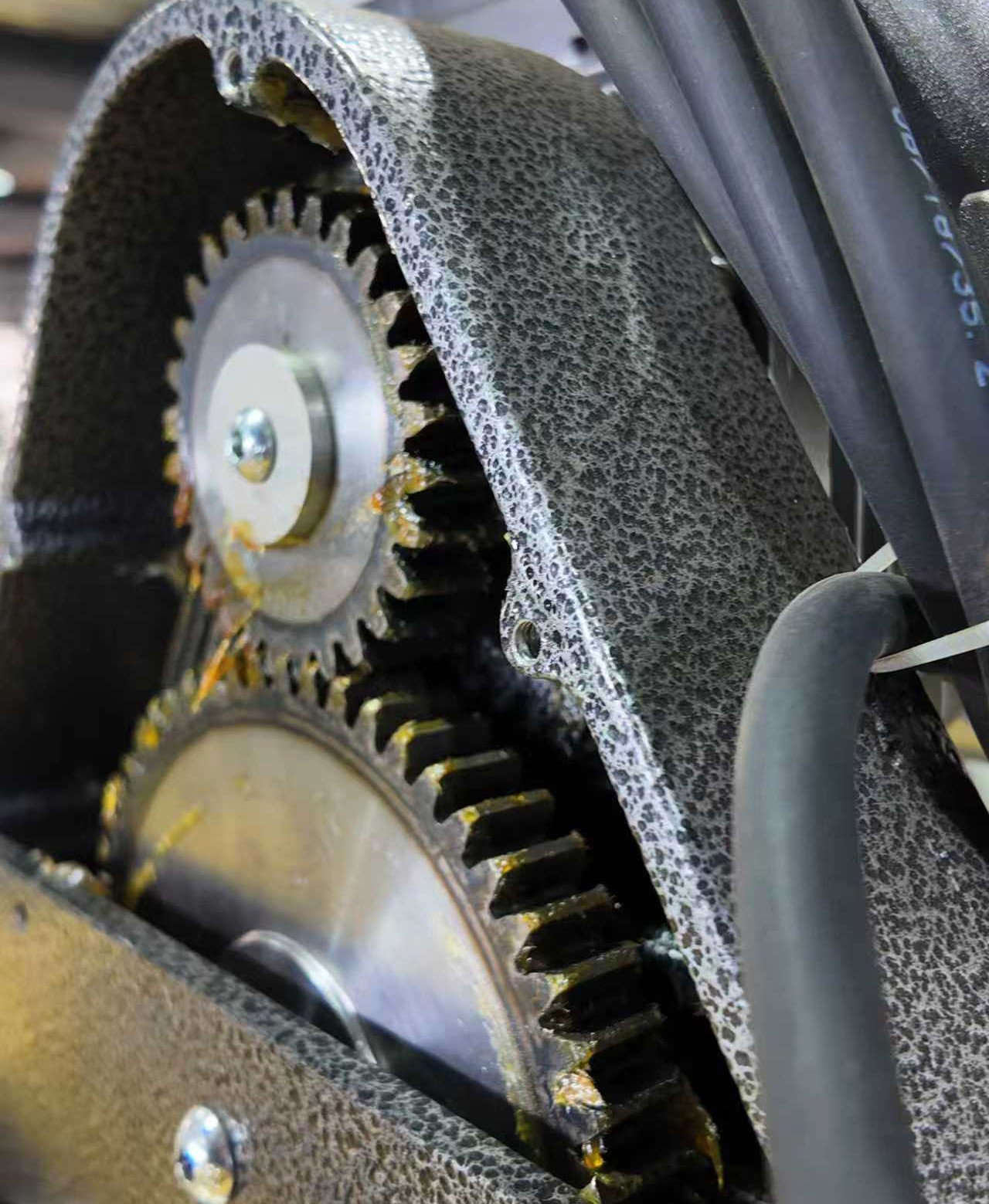
Gear-driven facers use direct gear engagement to transfer power.
This structure provides a more controlled and stable transmission:
· Higher transmission efficiency
· More uniform rotation
· Stable performance under load
· Reduced maintenance requirements
· Longer service life
With continuous gear contact, the system maintains consistent movement throughout operation.
Influence on Facing Results
The difference in drive systems becomes visible in the facing outcome:
· Chain-driven systems may show slight variation, particularly on larger or thick-wall pipes
· Gear-driven systems tend to produce smoother surfaces and more uniform pipe ends
This difference becomes more evident as pipe diameter increases.
Why FX Adopts Gear-Driven Facers
The FX series is designed for medium to large diameter applications, where stability directly affects welding quality.
Using a gear-driven facer is not about making the machine more complex, but about ensuring consistent performance under real working conditions.