20Mn Steel Pipe Grooving Test: From “Can’t Groove” to 2 Minutes per Joint
- Share
- publisher
- RUBR
- Issue Time
- Apr 27,2026
Summary
A test on 20Mn 16-inch steel pipe showed that while standard machines could complete grooving, efficiency dropped under load. The AG-4X significantly improved speed and stability, reducing processing time to about 2 minutes per joint. The case highlights the importance of matching equipment to high-strength materials and demanding working conditions.
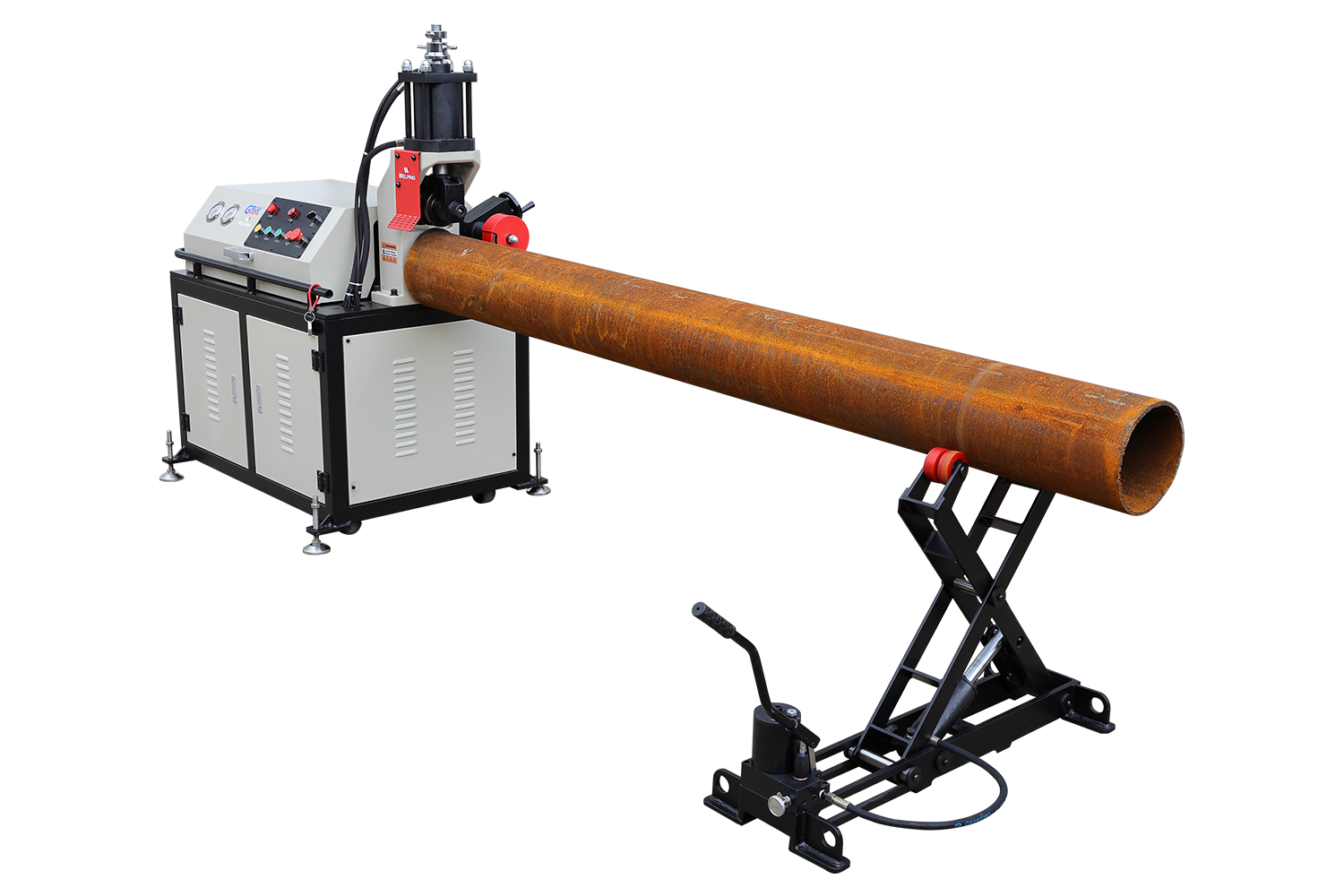
Recently, a domestic steel pipe manufacturer came to our workshop with a problem they had not been able to solve.
The pipe they brought was made of 20Mn steel, 16-inch diameter, with a wall thickness of around 10 mm.
This is a high-strength material, and in practice, it is known to be difficult to groove.
Before visiting us, they had already tested it in their own factory.
Their existing grooving line could not handle the job.
They later purchased a standard 16-inch roll grooving machine, but the result remained the same — the pipe still could not be processed properly.
Same Pipe, Same Conditions — Two Machines Tested
At our workshop, we carried out an on-site test using the same pipe under the same conditions.
Two machines were tested in direct comparison:
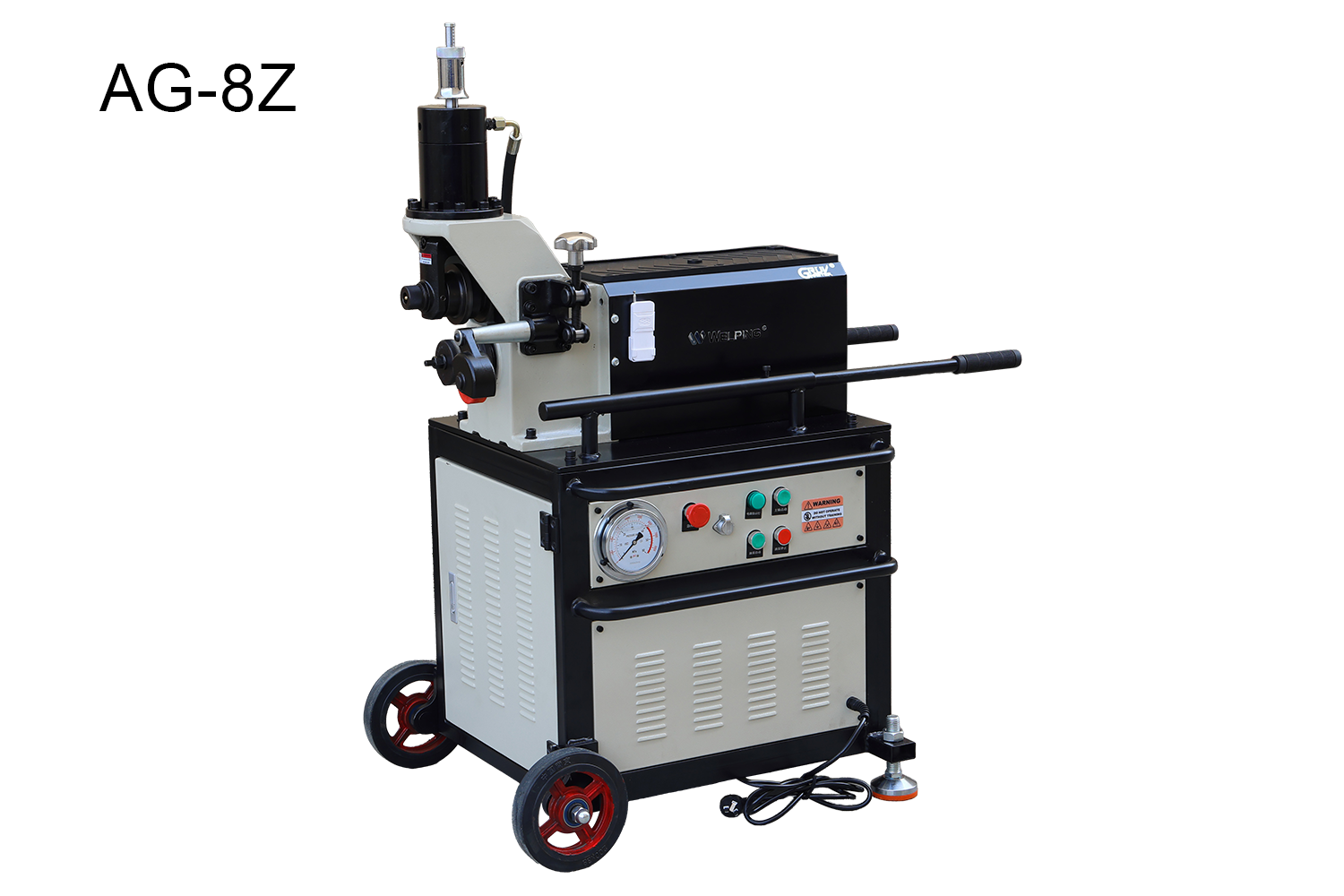
The groove could be completed, and the process remained stable.
However, the speed was relatively slow, taking about 8 minutes per joint.
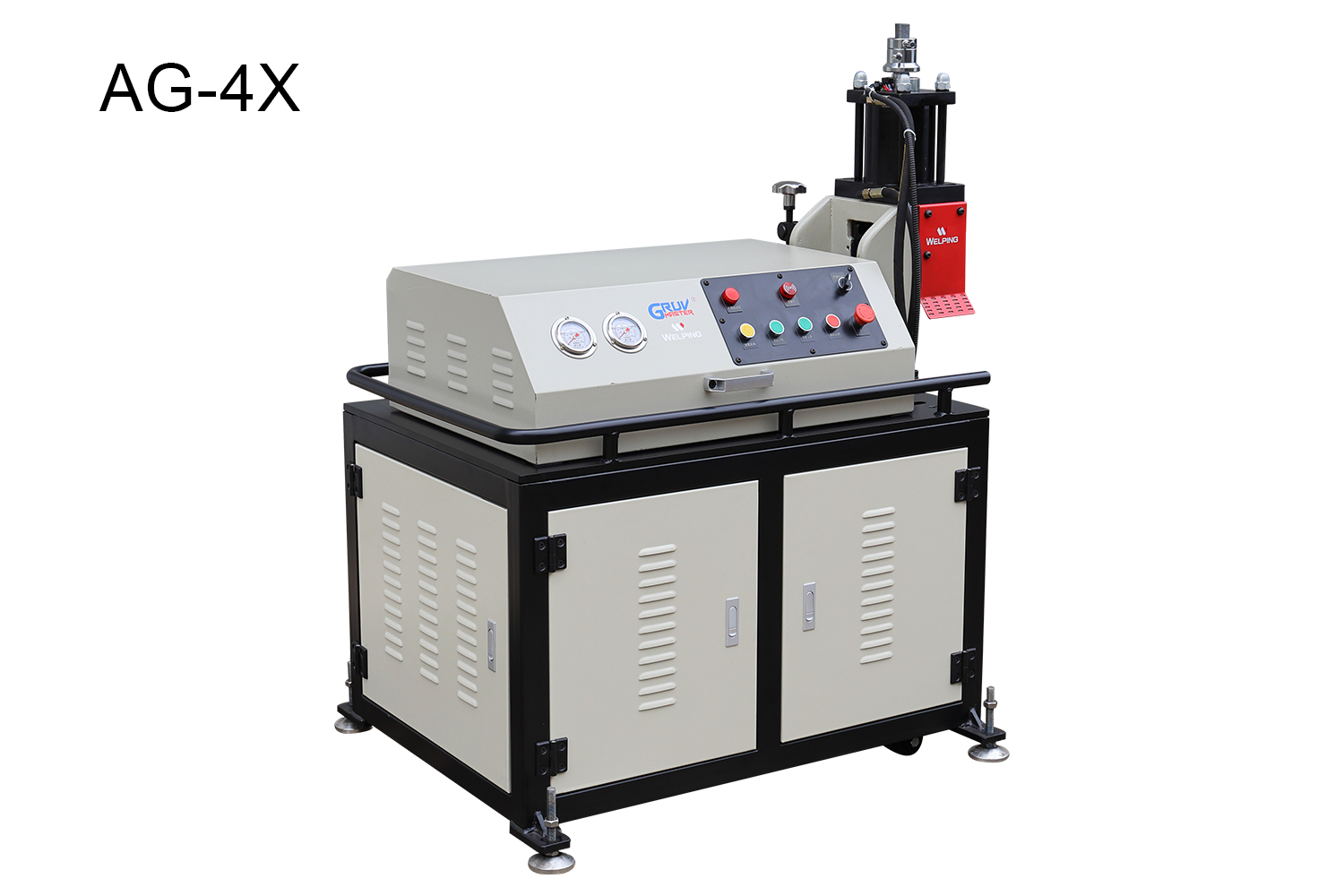
AG-4X Heavy-Duty Automatic Roll Grooving Machine
After switching to the AG-4X, the difference was clear:
· Around 2 minutes per groove
· More consistent groove profile
· Smoother operation, without hesitation during the process
It’s Not About “Can or Can’t” — It’s About Performance
The result of this test was straightforward.
Both machines were capable of completing the groove.
But when working with high-strength materials like 20Mn steel, the difference becomes evident:
· The AG-8Z can handle the task, but efficiency drops under higher load
· The AG-4X performs the same job with better efficiency and consistency
So the real question is not whether the machine can do the job — but whether it can do it efficiently and reliably.
Different Machines for Different Applications
These two machines are designed for different working conditions:
Decision Made on Site
After seeing the test results, the customer made their decision immediately.
The AG-4X was confirmed on the spot as their solution.
Final Thought
When dealing with materials like 20Mn steel, many standard machines do not completely fail —
they simply cannot maintain efficiency.
In real applications, equipment selection is not just about specifications.
It is about whether the machine truly matches the working conditions.