Welping Data Logger: A Practical Solution for Butt Fusion Welding Records
- Share
- publisher
- RUBR
- Issue Time
- Jun 19,2026
Summary
The Welping data logger is an optional device for butt fusion welding machines. It can be installed on the hydraulic station to record key welding parameters, store welding records, export data by USB, and print reports on site. With ISO/DVS parameter reference and multi-language support, it is a practical solution for projects that require welding documentation and traceability.
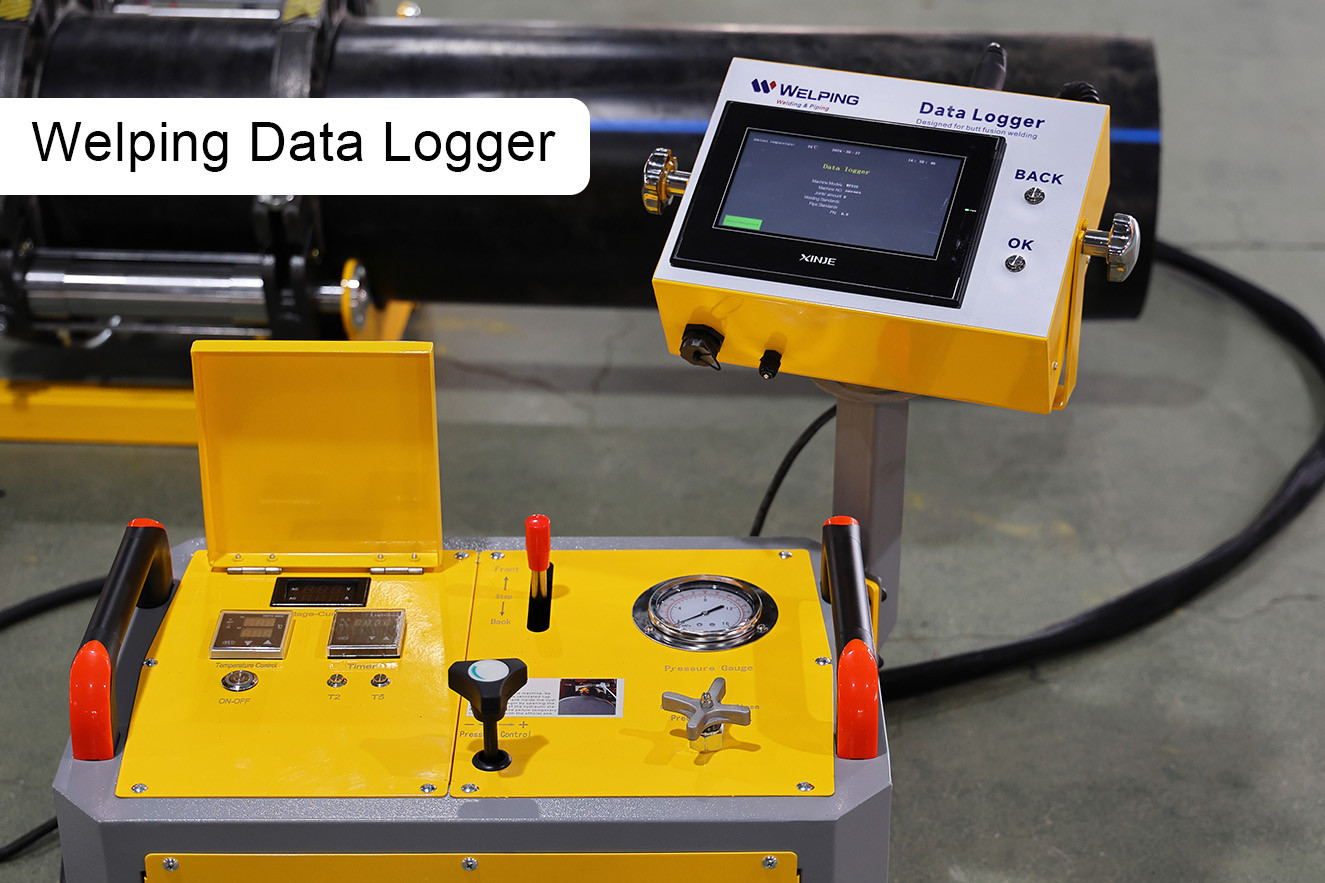
In butt fusion projects, weld quality is essential—but so is having a clear and reliable record of the welding process.
For municipal water systems, gas pipelines, industrial piping, mining applications, and large-diameter PE pipeline construction, project owners increasingly require detailed welding data for quality control, project acceptance, and long-term traceability.
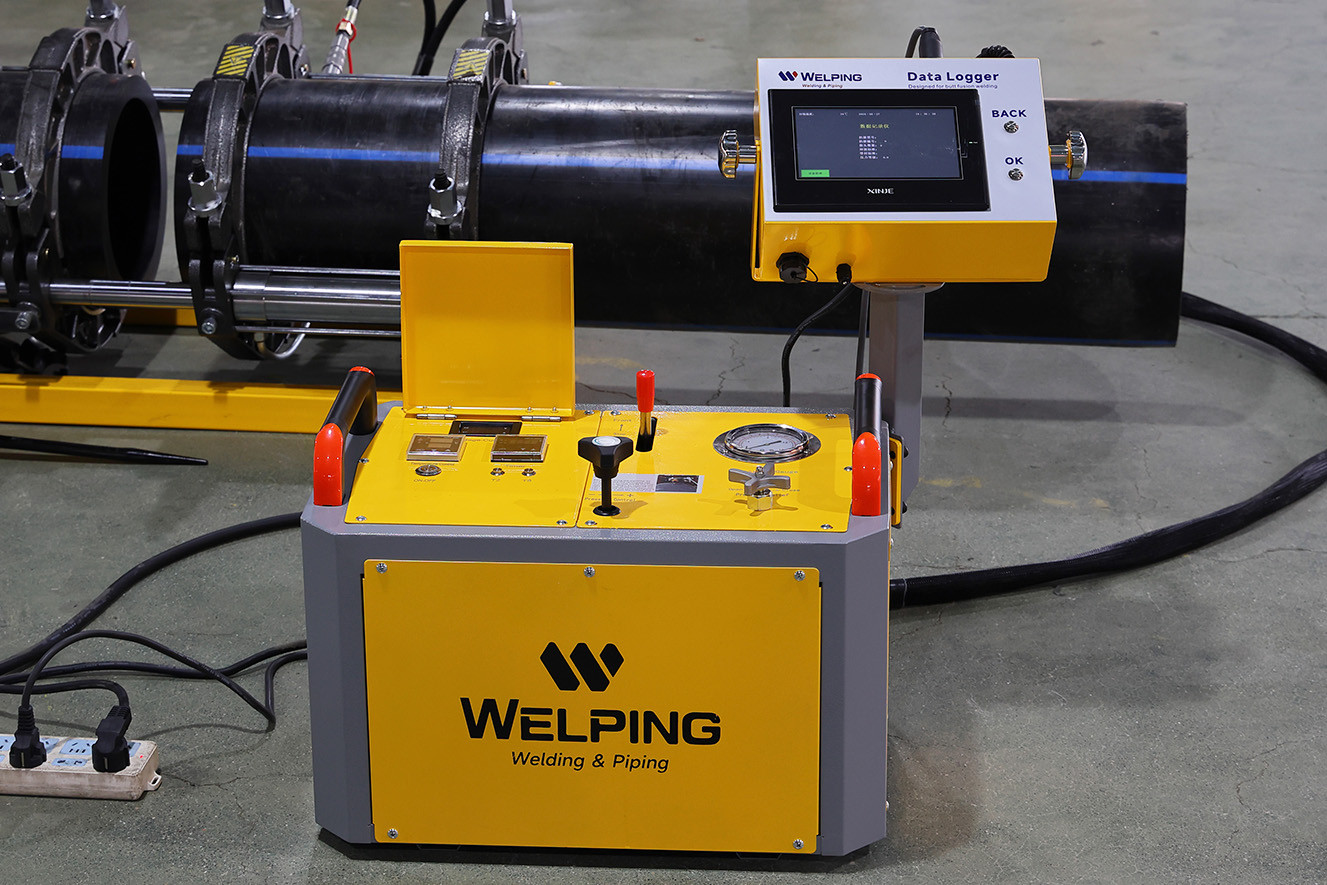
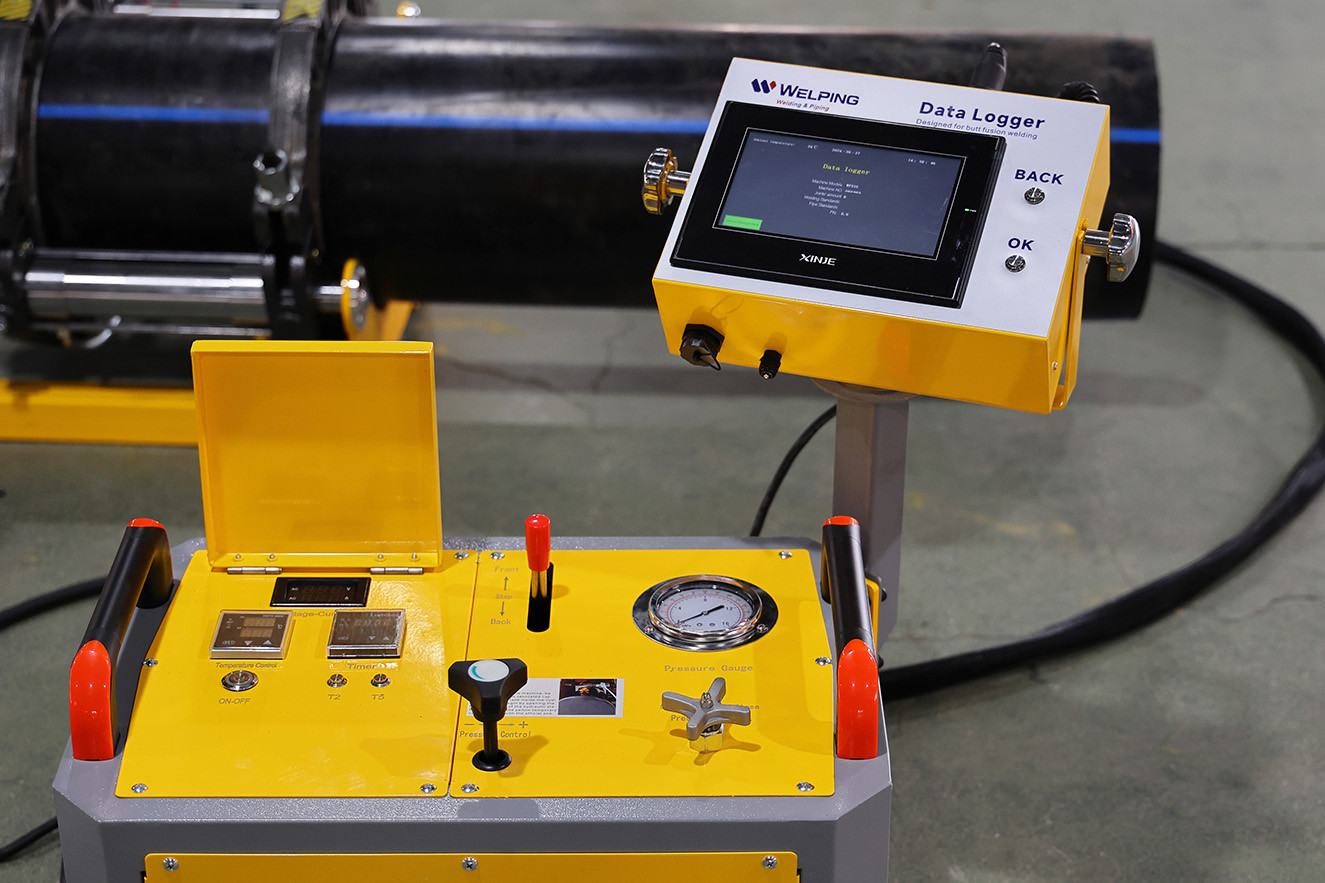
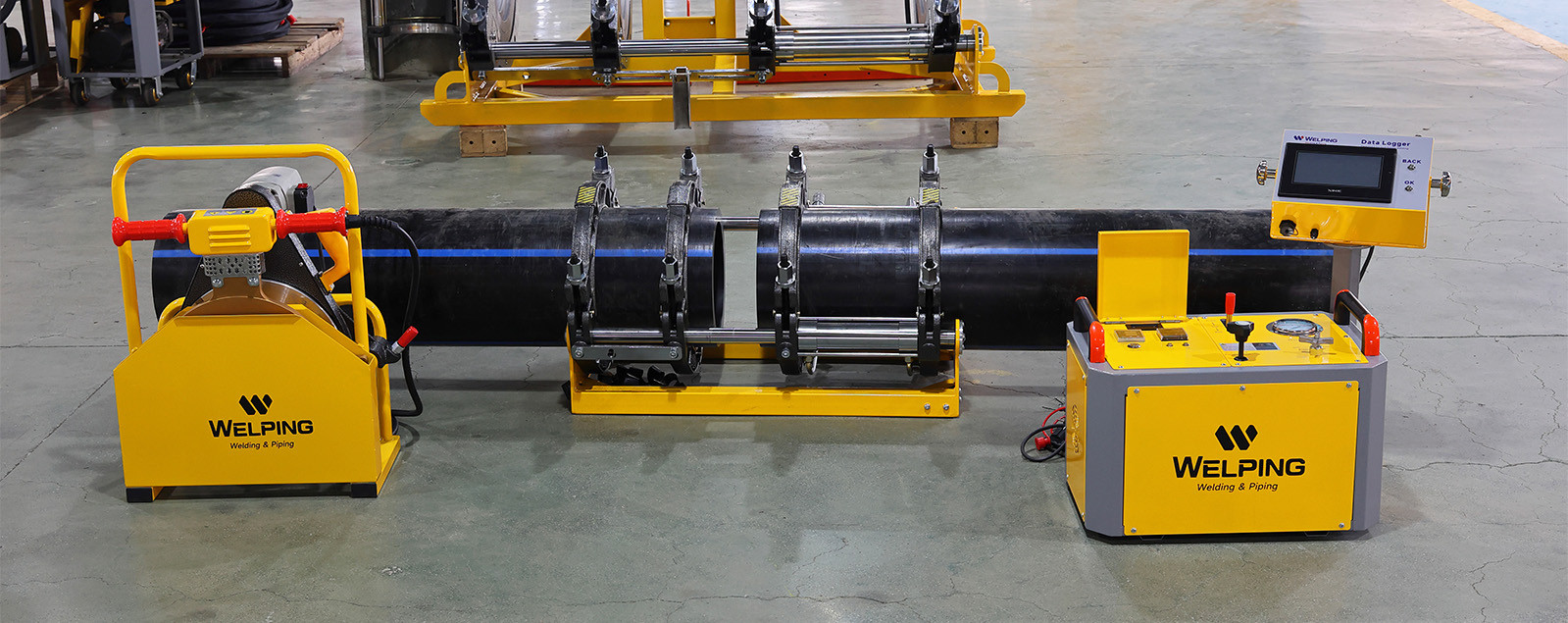
The Welping data logger is an optional accessory for butt fusion welding machines. Mounted on the hydraulic station, it works together with the welding equipment to capture and manage key parameters throughout the fusion process.
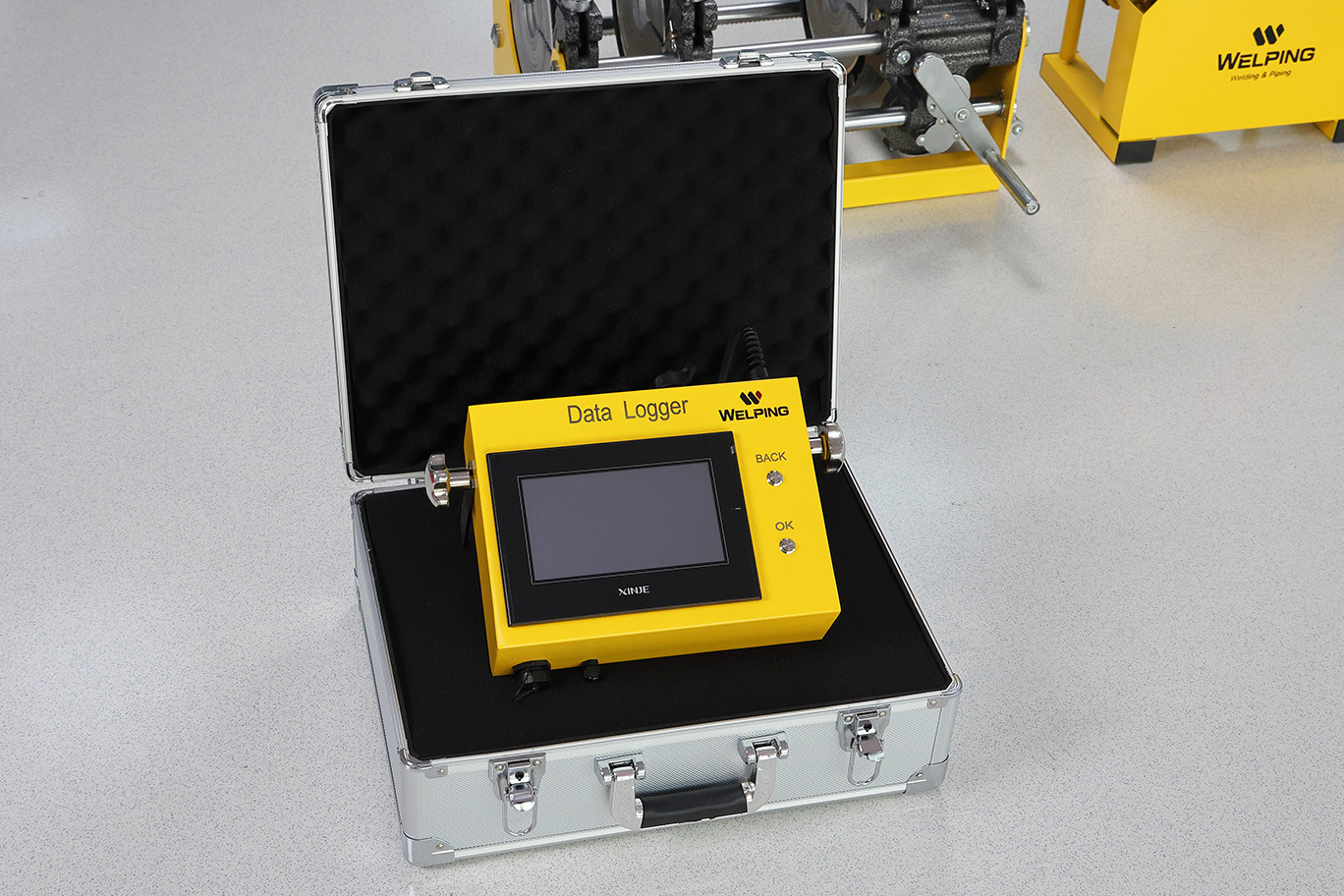
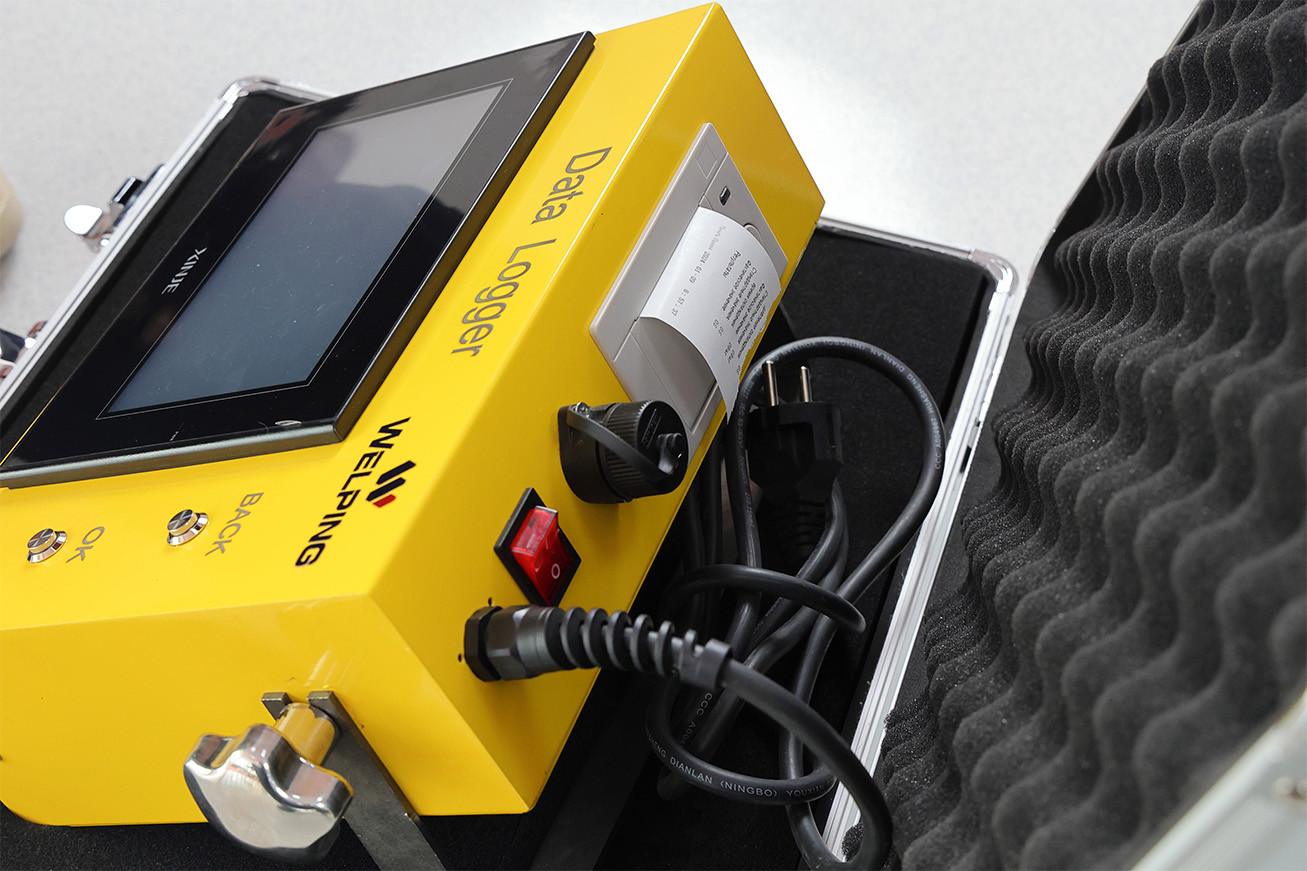
Integrated with the Hydraulic Station for Convenient Operation
The data logger can be installed directly on the hydraulic station, creating a more integrated welding system and making on-site operation more convenient.
This configuration is particularly useful for projects where welding records must be reviewed, exported, printed, or submitted after the work is completed. Rather than relying on a separate recording unit, operators can manage welding data directly from the hydraulic station while carrying out the welding process.
Recording Essential Welding Parameters
In butt fusion welding, temperature, pressure, heating time, soaking time, and cooling time all have a direct influence on the quality of the completed joint.
The Welping data logger captures the key information for each weld, including the welding temperature, actual pressure, heating time, soaking time, cooling time, and other related records.
These records provide project teams with a clearer view of how each welding cycle was performed, reducing their dependence on handwritten notes or the operator’s memory.
Storage, USB Export, and On-Site Printing
The device can store up to 500 welding records, providing sufficient capacity for routine site documentation and welding data management.
Records can be exported through a USB connection, allowing users to save the data to a computer, prepare project documentation, or provide welding reports to customers.
A built-in printer also allows operators to print records directly at the jobsite. This is useful for customer verification, site documentation, and project acceptance procedures.
Parameter References Based on ISO and DVS
The data logger provides welding parameter references based on commonly used standards, including ISO and DVS.
This allows operators to check relevant parameters more conveniently and helps improve process management, especially on projects with defined technical specifications or documentation requirements.
Multilingual Configuration
Chinese, English, and Russian are included as standard language options on the Welping data logger.
Polish and Spanish versions can also be customized for specific project requirements. This multilingual capability makes the device more suitable for international projects and easier for local operators in different markets to use.
Designed for Projects Requiring Welding Documentation
A data logger may not be required for every small-scale welding task. However, it becomes a valuable optional configuration when a project requires welding reports, quality traceability, or formal documentation.
It is well suited to municipal pipeline construction, gas pipeline projects, industrial piping, large-diameter PE pipe welding, and other applications where welding data must be recorded, reviewed, and properly managed.
Making Each Weld Easier to Trace
The Welping data logger does more than simply record welding parameters. Its greater value lies in helping project teams organize and manage welding information in a clearer and more dependable way.
For butt fusion projects where quality control, project acceptance, and long-term traceability matter, the data logger makes every welded joint easier to review, document, and trace.