B Series Frame Detail: Why the Clamp Contact Surface Is Additionally Machined
- Share
- publisher
- RUBR
- Issue Time
- Jun 30,2026
Summary
On B Series butt fusion machines up to 315mm, the clamp contact surface is additionally machined after coating to create a flatter metal contact area. This small manufacturing detail helps the clamp inserts fit more evenly and improves clamping stability during daily pipe fusion work.
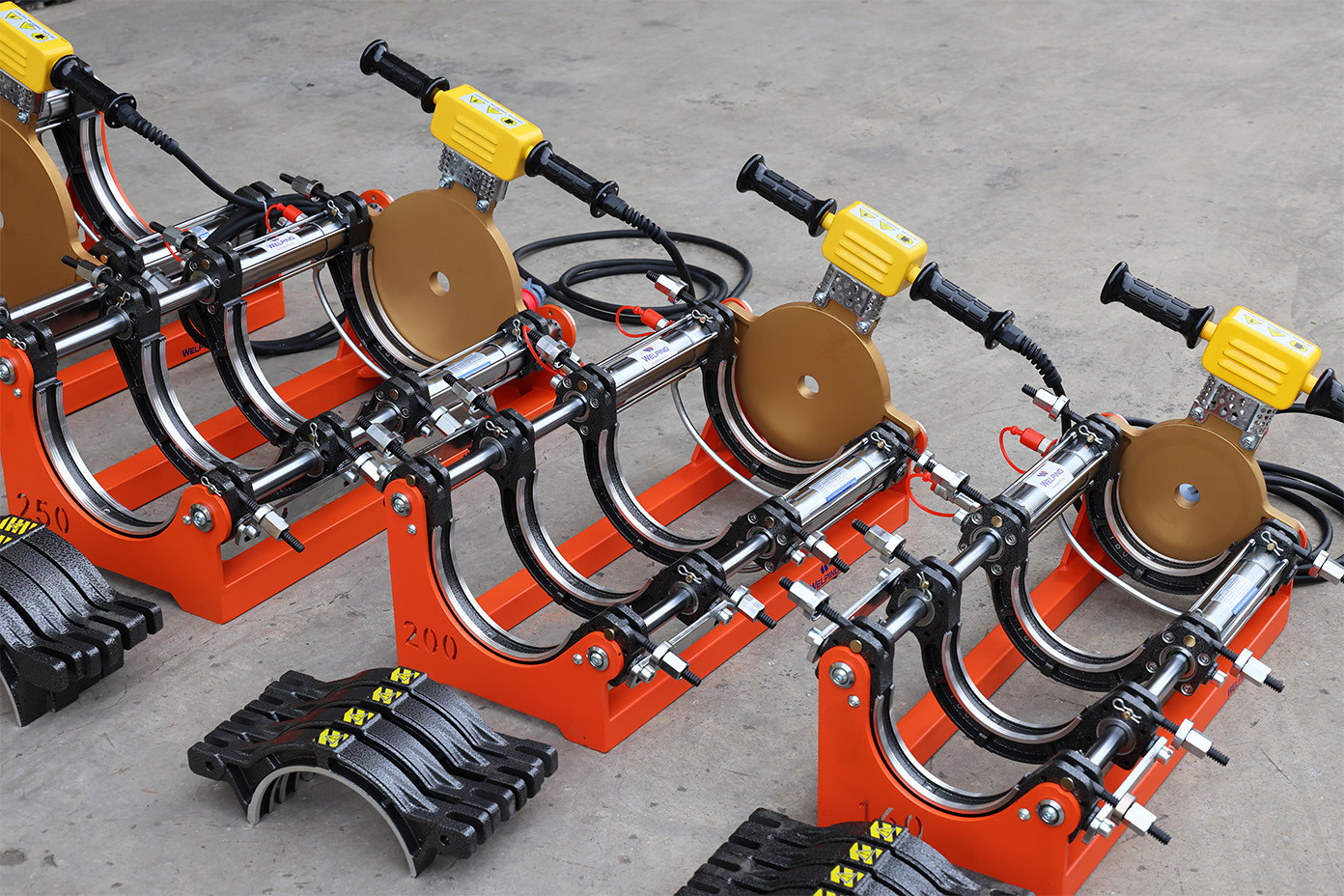
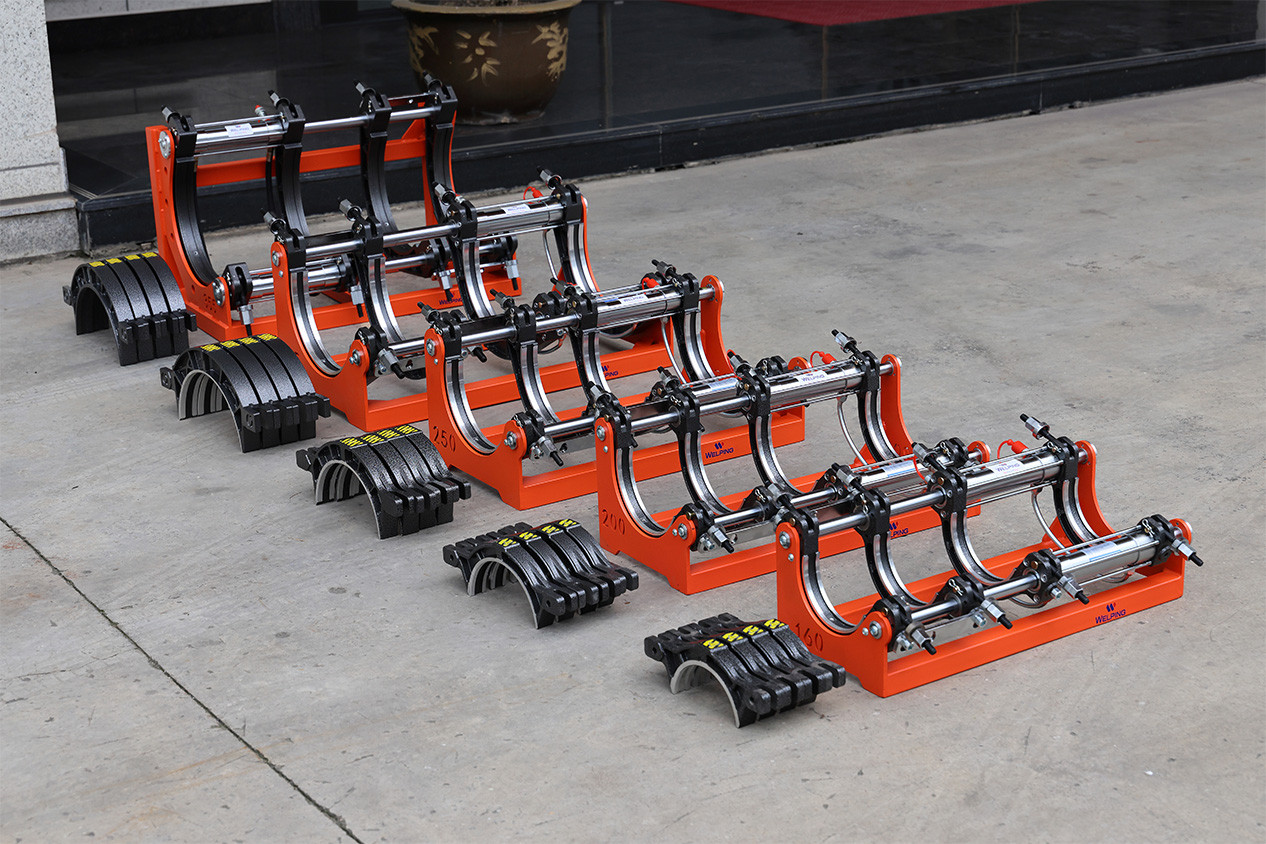
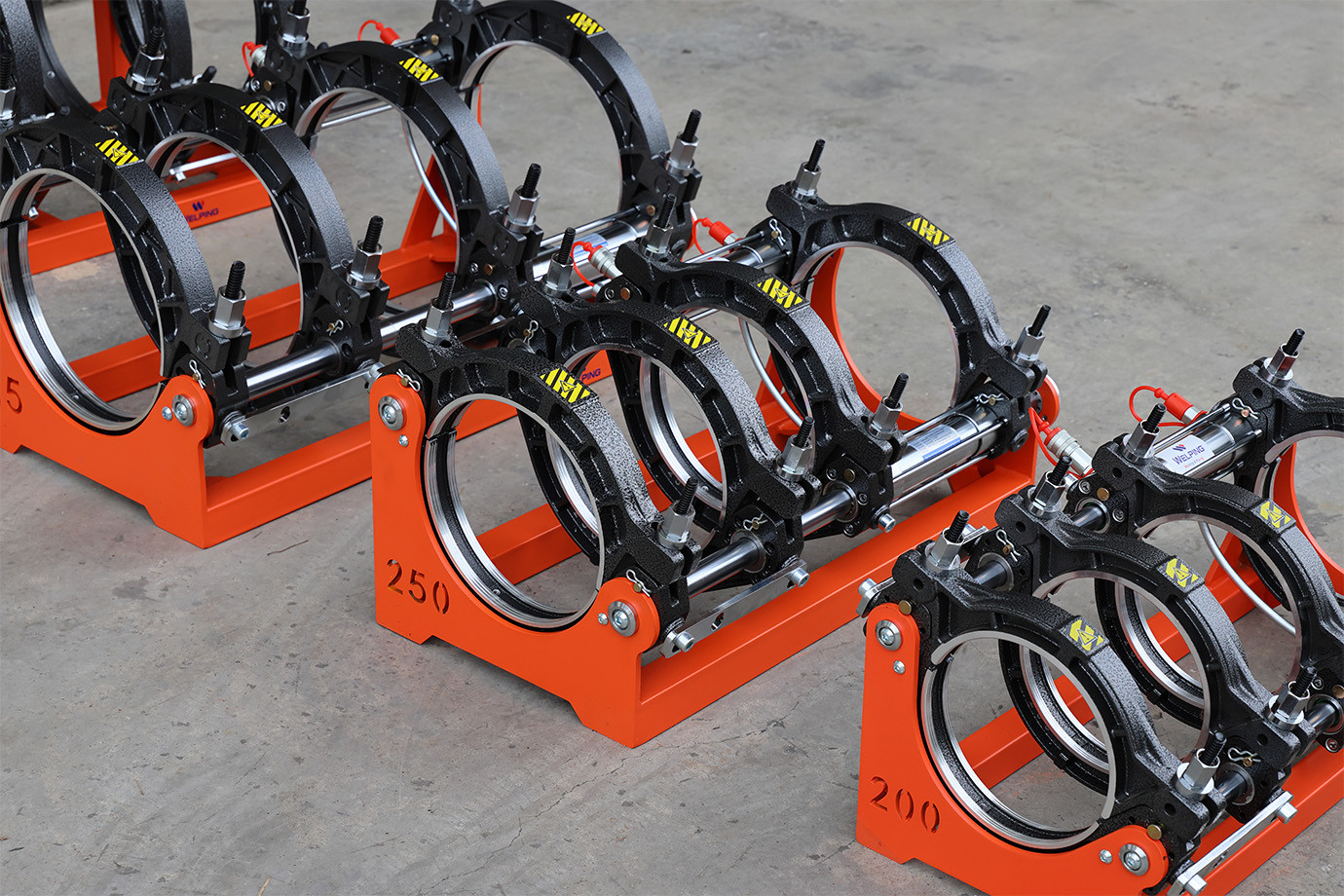
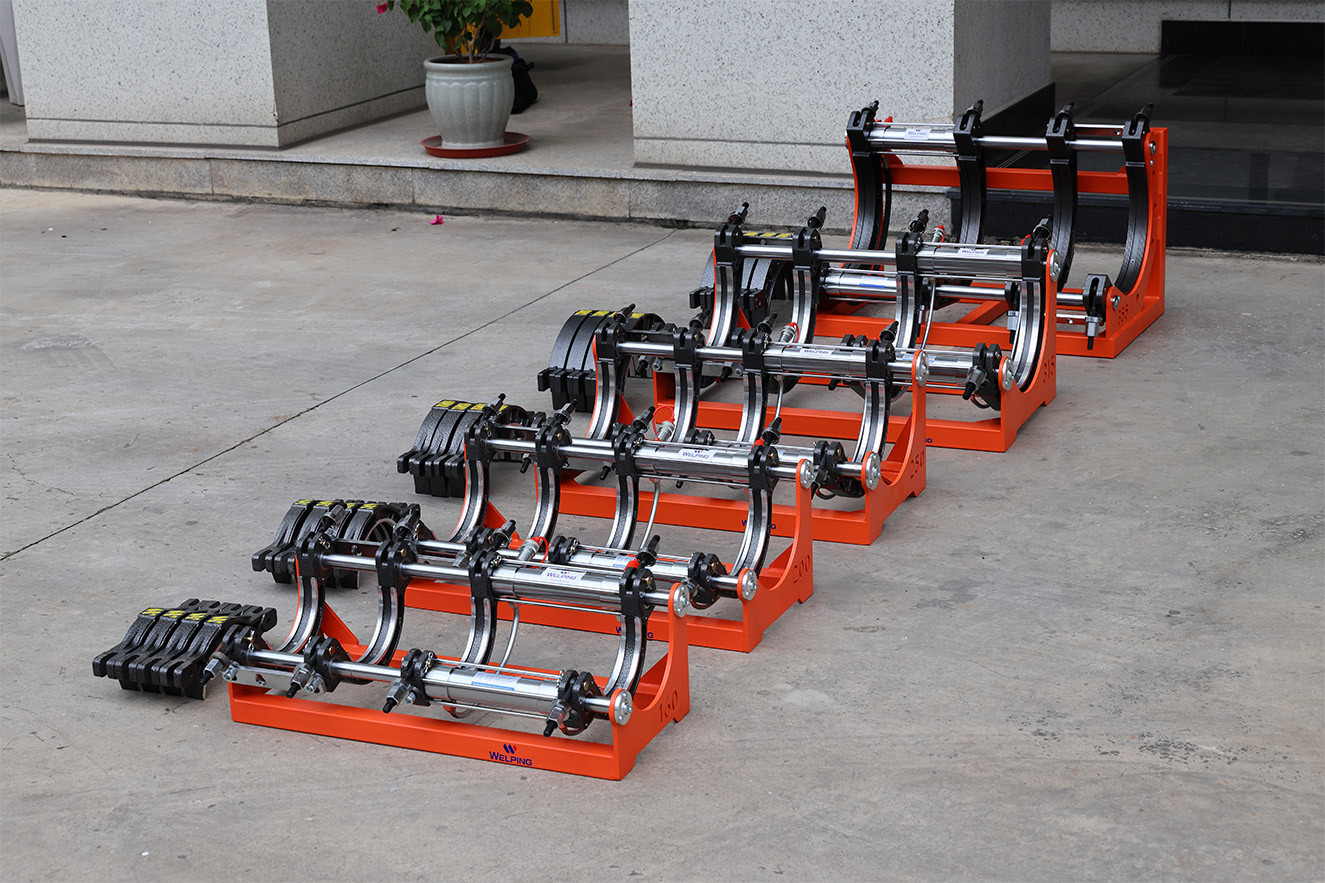
Recently, we took new photos of several B Series butt fusion machine frames in our factory, covering models from 160mm to 355mm. To show the frame structure more clearly, the clamp inserts were removed during the photo shoot.
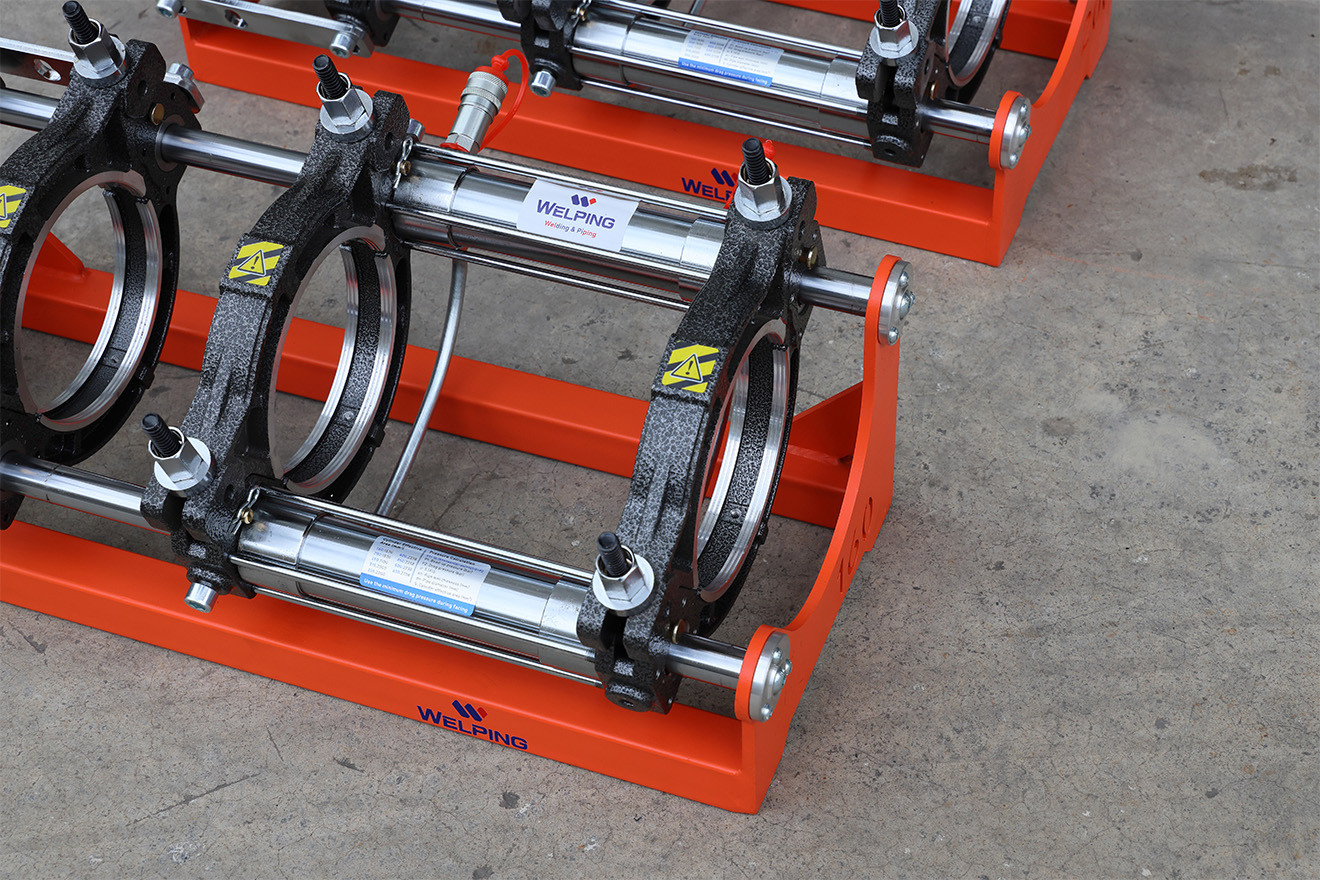
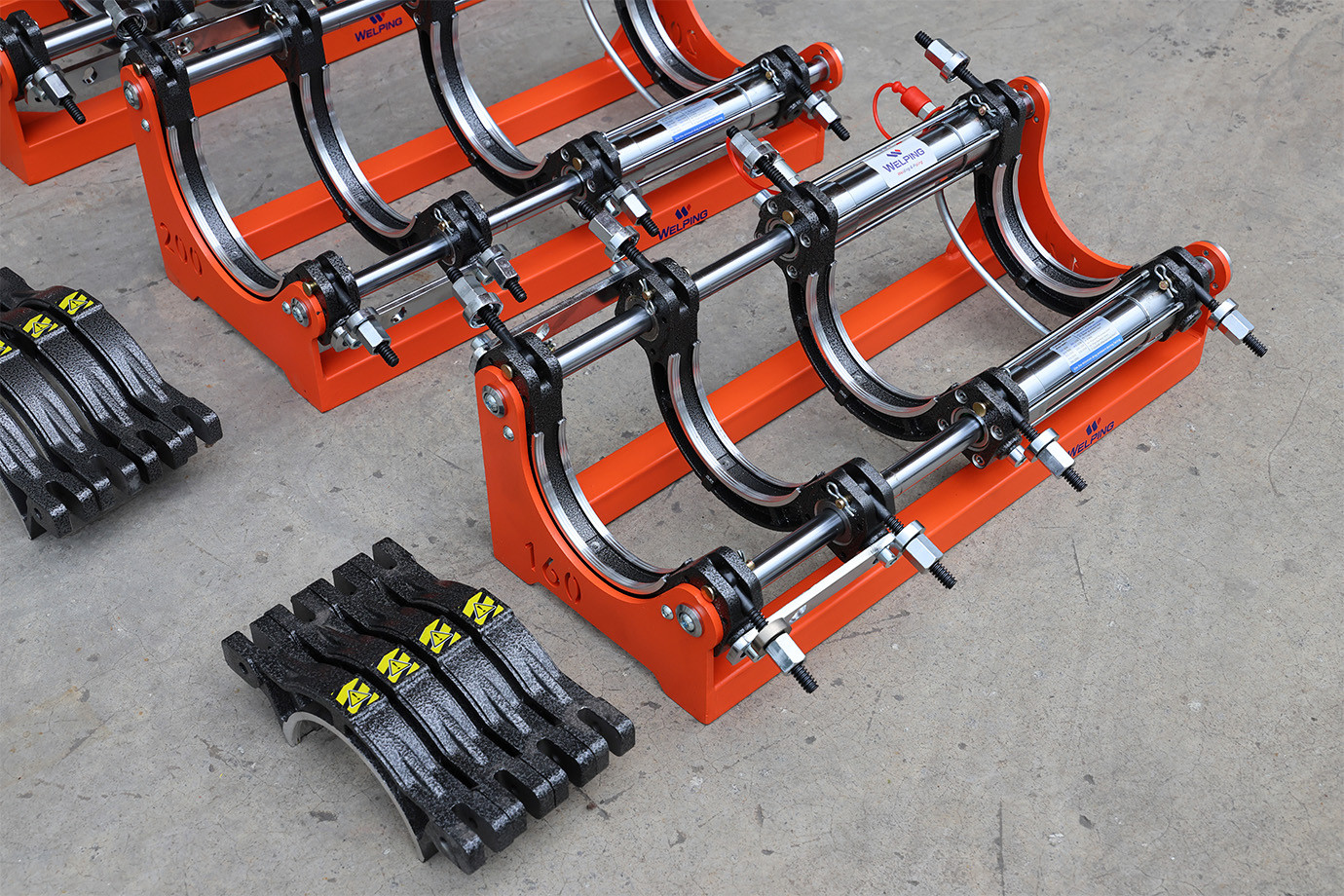
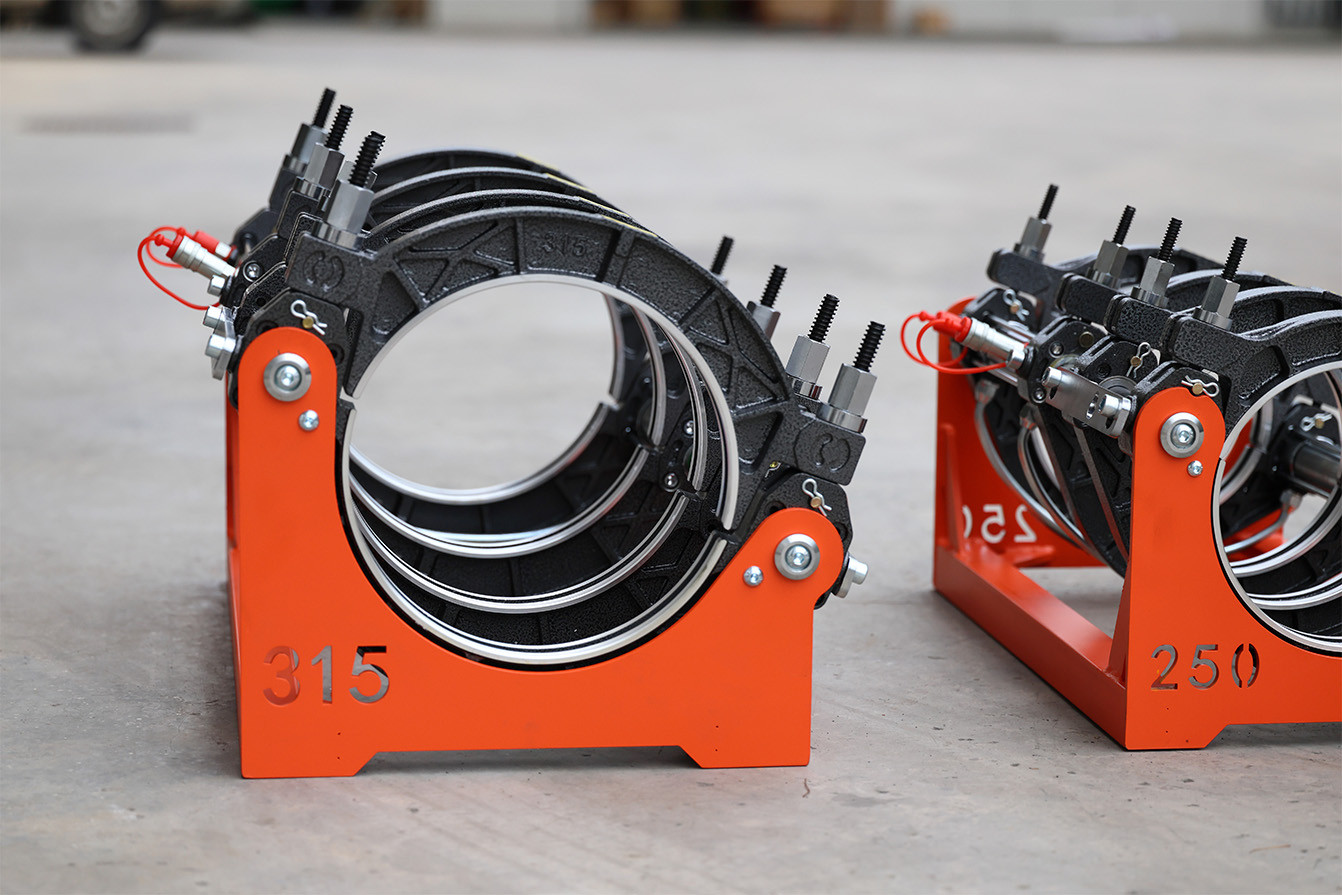
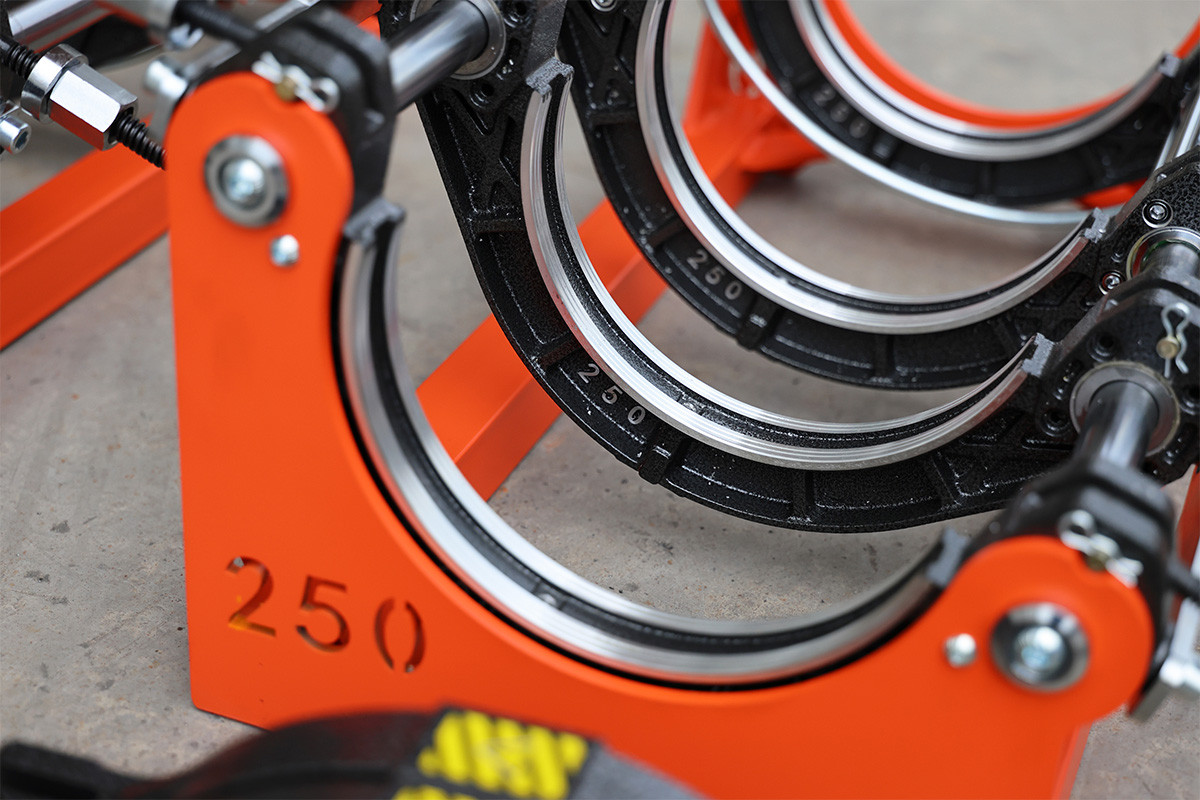
On models up to 315mm, you can see several bright silver metal areas on the inner side of the frame. At first glance, some people may think this is paint loss. Actually, it is not.
These silver areas are additionally machined clamp contact surfaces.
Not Paint Loss, but a Machined Surface
For B Series models up to 315mm, after the frame is coated, we add one more machining process on the clamp installation area.
This process removes the coating from the contact area and exposes the original metal surface. As a result, the clamp contact area becomes flatter and smoother.
So, the bright silver area shown in the photo is not a coating problem, and it is not a decorative line. It is a functional machined surface.
Helping the Clamp Inserts Fit More Evenly
Clamp inserts are installed on the machine frame to hold different pipe sizes.
If the contact surface between the clamp insert and the frame is not flat enough, the insert may not sit evenly. This can affect the clamping stability during operation.
By additionally machining this area, the clamp inserts can fit more evenly on the frame. This helps improve the holding stability of the pipe during clamping, facing, heating, joining, and cooling.
For butt fusion welding, stable pipe holding is always important. A flatter contact surface gives the clamp inserts a better base to work on.
Mainly Used on Models up to 315mm
This machining process is mainly used on B Series models up to 315mm, including common sizes such as 160mm, 200mm, 250mm, and 315mm.
These models have a relatively compact frame structure, and the clamp installation area is suitable for this kind of detailed machining.
For 355mm and larger models, the frame is much bigger, so the structure and manufacturing process are different. These larger machines use a production method better suited to their frame size.
Different machine sizes require different frame designs and manufacturing solutions.
A Small Detail That Matters in Daily Use
Models from 160mm to 315mm are widely used in many HDPE pipe installation projects. On jobsites, these machines are often used frequently, and clamp inserts may need to be removed or changed for different pipe sizes.
The machined clamp contact surface may look like a small detail, but it can affect the daily user experience.
It helps the clamp inserts install more smoothly, hold the pipe more steadily, and support a more reliable working process over long-term use.
Looking at the Frame Through the Details
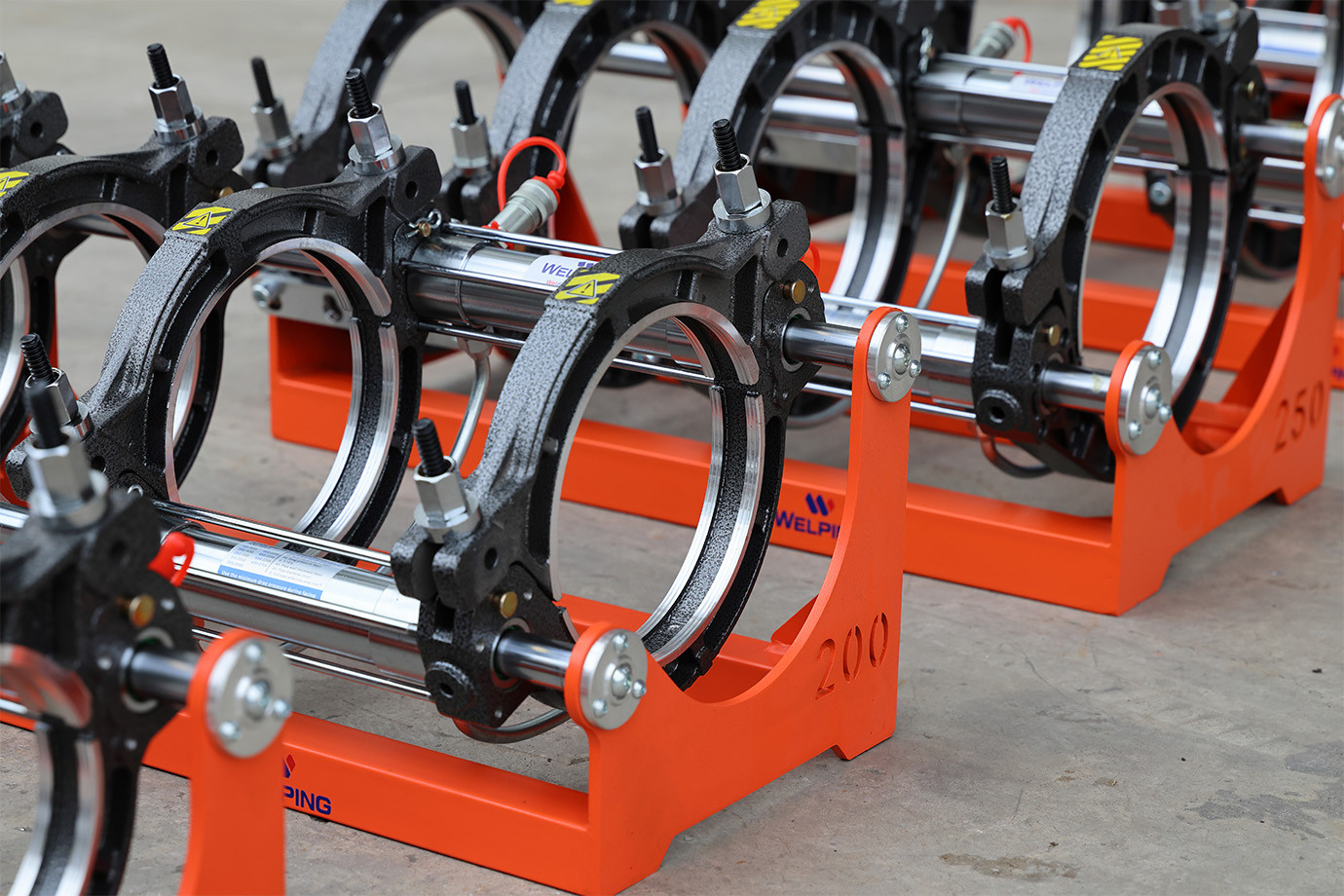
This photo shoot was not only about showing the machine appearance. It was also about showing the manufacturing details behind the frame.
For a butt fusion machine, stability does not come from one single component. It comes from many practical details working together.
On B Series models up to 315mm, this additional machining process on the clamp contact area is one of those details. It helps the clamp inserts fit better, supports more stable pipe holding, and makes daily operation more reliable.
To learn more about B Series butt fusion machines from 160mm to 355mm, please visit the product page or contact us for model selection advice.