A Closer Look at the WP800A: How a Large Butt Fusion Machine Balances Strength and Ease of Use
- Share
- publisher
- RUBR
- Issue Time
- Aug 3,2026
Summary
A closer look at the WP800A large-diameter butt fusion machine, covering its four-clamp frame, hydraulic power unit, clamping inserts, facing tool and heater plate arrangement. The article explains how these practical design details support stable pipe handling, controlled fusion pressure and smoother operation throughout the complete PE pipe fusion process.
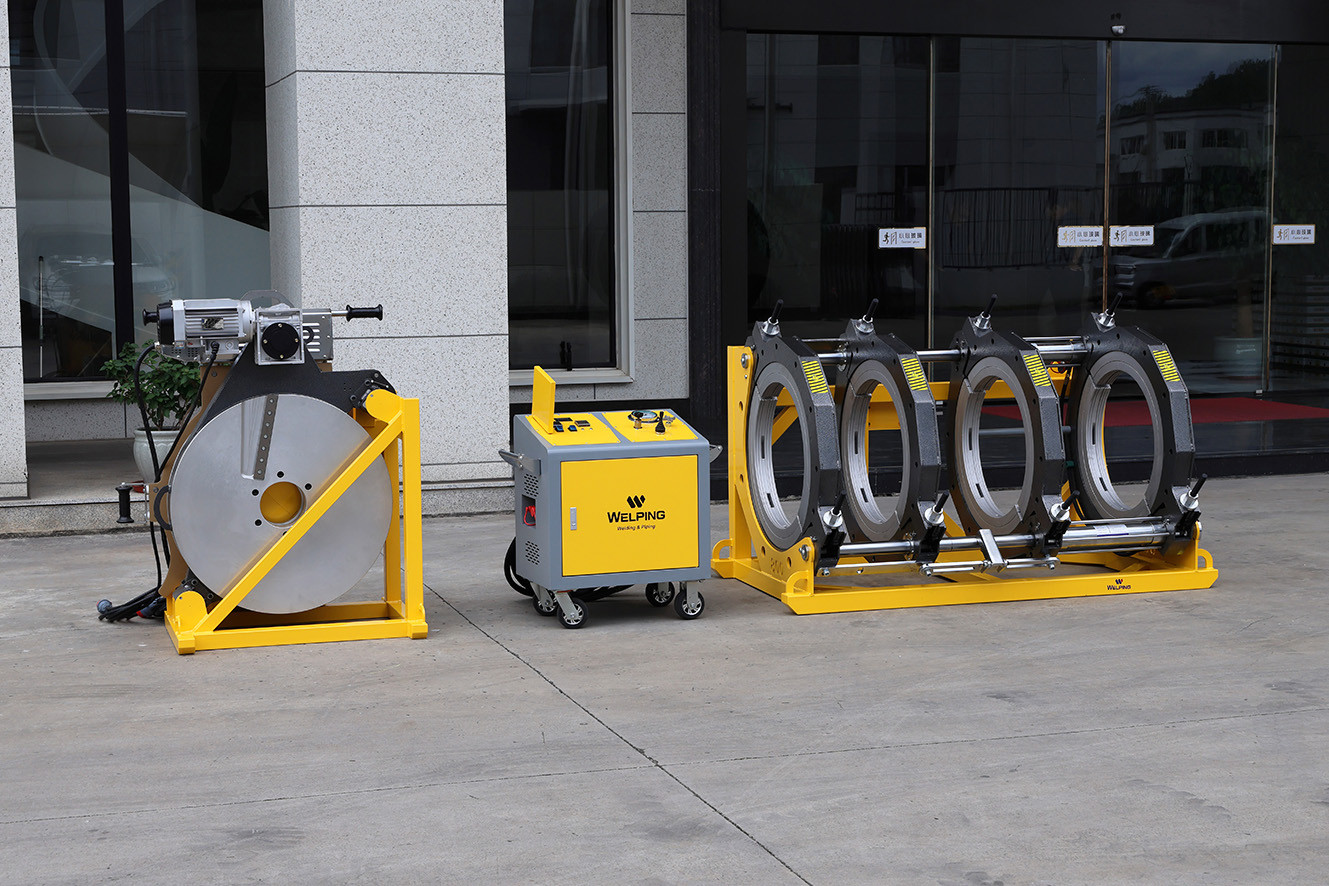
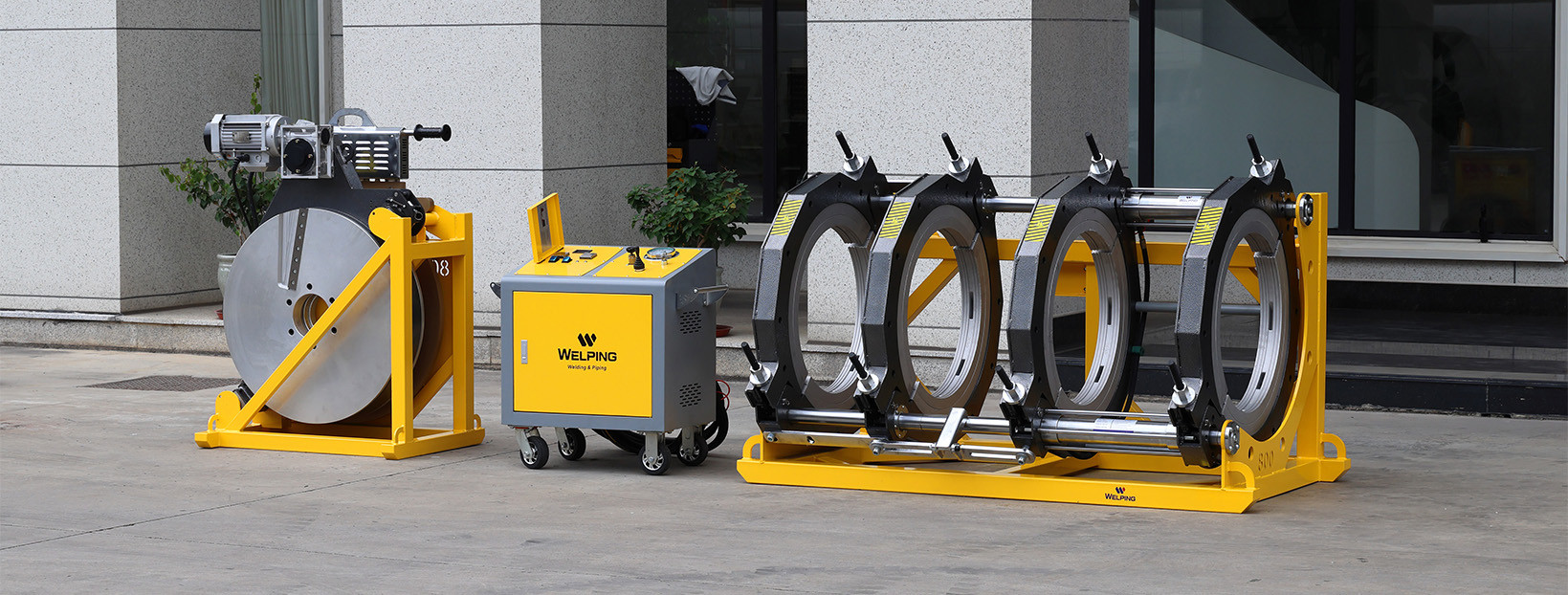
(The complete WP800A hydraulic butt fusion machine package.)
When working with large-diameter PE pipe, a bigger machine does not simply mean a larger frame and larger clamps. The pipes are heavier, the fusion surfaces are wider, and every stage—from facing and heating to changeover and joining—places greater demands on the equipment.
A machine of this size cannot be designed by simply scaling up a smaller model. The frame must support both the weight of the pipe and the forces generated during fusion. The moving carriage must travel smoothly, while the facing tool and heater plate must remain practical to handle on site.
This is where the usability of a large butt fusion machine is really determined: not by one headline specification, but by how well its individual components work together.
The WP800A is designed for large-diameter PE pipe fusion. Rather than focusing only on its technical data, it is worth looking more closely at the frame, clamping system, hydraulic power unit and working components—and at the practical purpose behind each part of the design.
A Separate Layout Makes Site Arrangement Easier
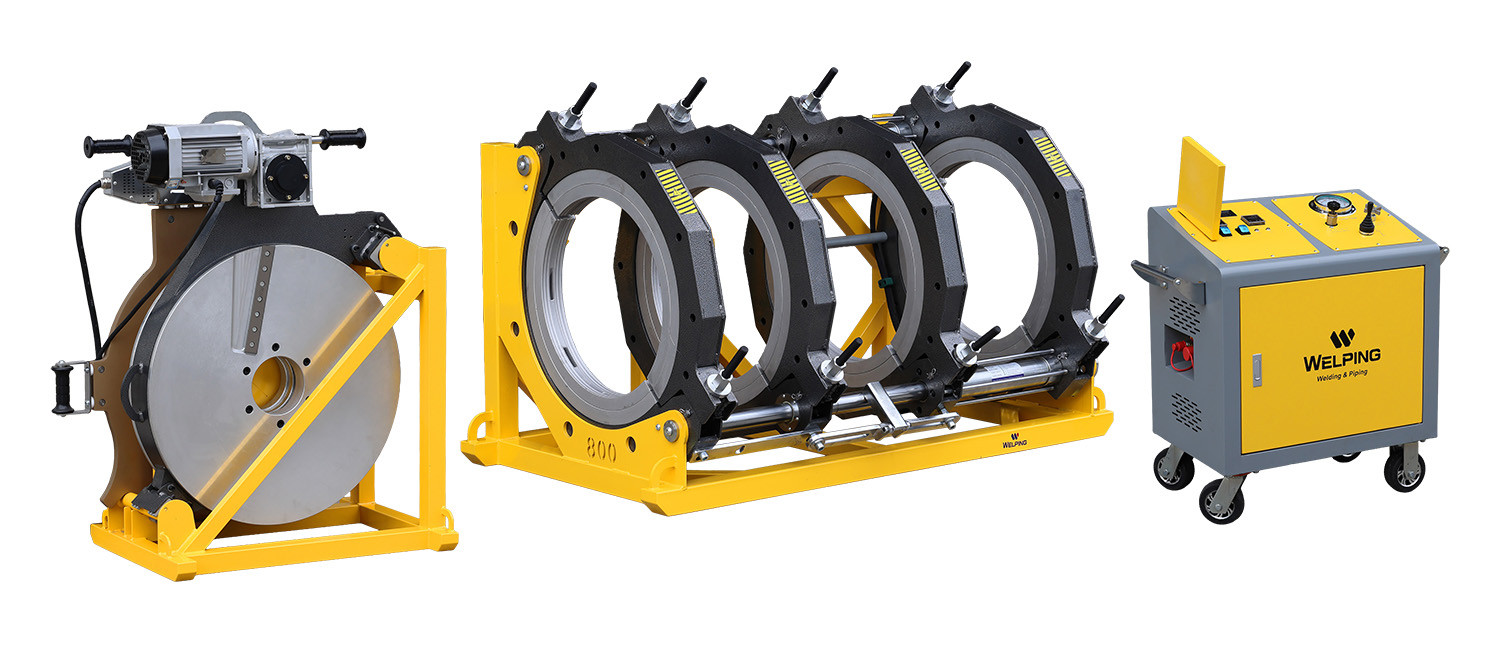
A complete WP800A package includes the main frame, hydraulic power unit, facing tool, heater plate and their respective storage stands. These components remain separate but work together throughout the fusion cycle.
For a machine of this size, that arrangement is practical.
The main frame can be positioned close to the pipeline, while the hydraulic power unit can be placed where the operator has a clear view of the machine. The facing tool and heater plate remain on their stands until they are needed.
This avoids concentrating all the weight in one structure and makes it easier to adapt the equipment layout to the available working space. It also simplifies inspection, handling and maintenance.
A large butt fusion machine will never be particularly light, but a well-organized layout can greatly reduce unnecessary movement and repeated handling.
A Four-Clamp Frame Provides Stable Pipe Support
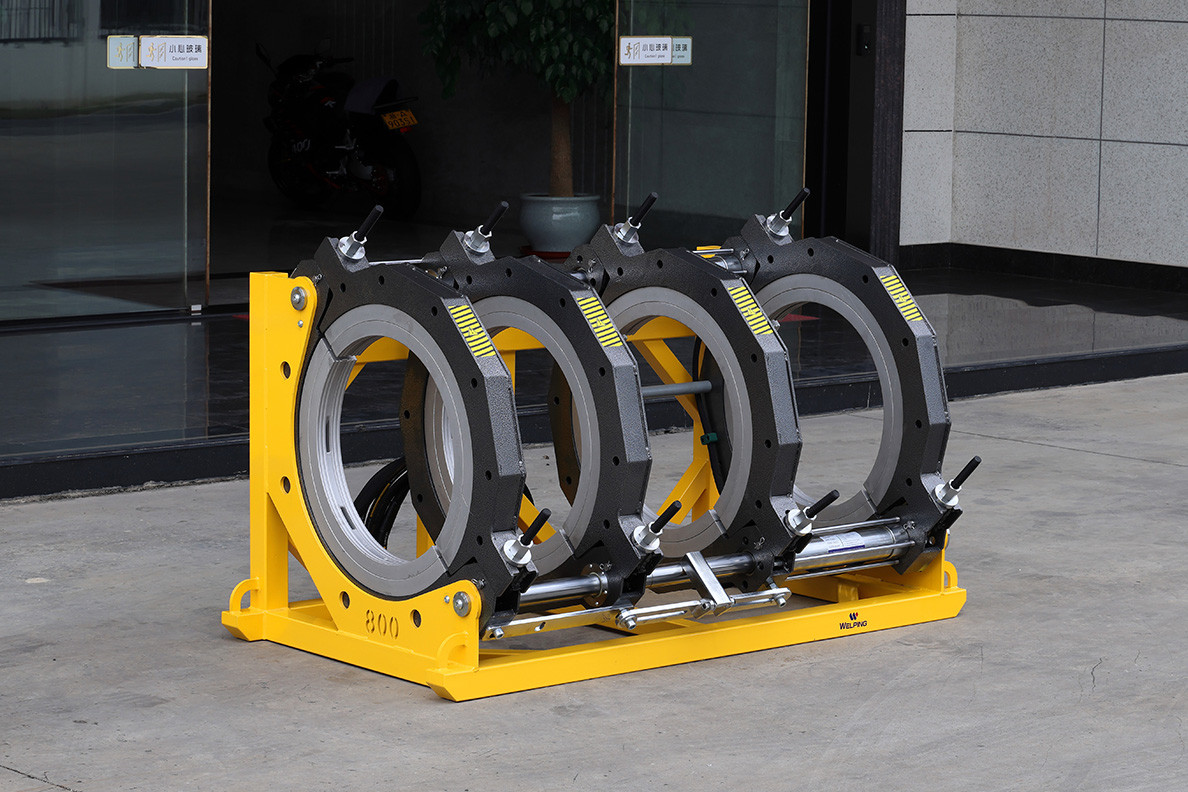
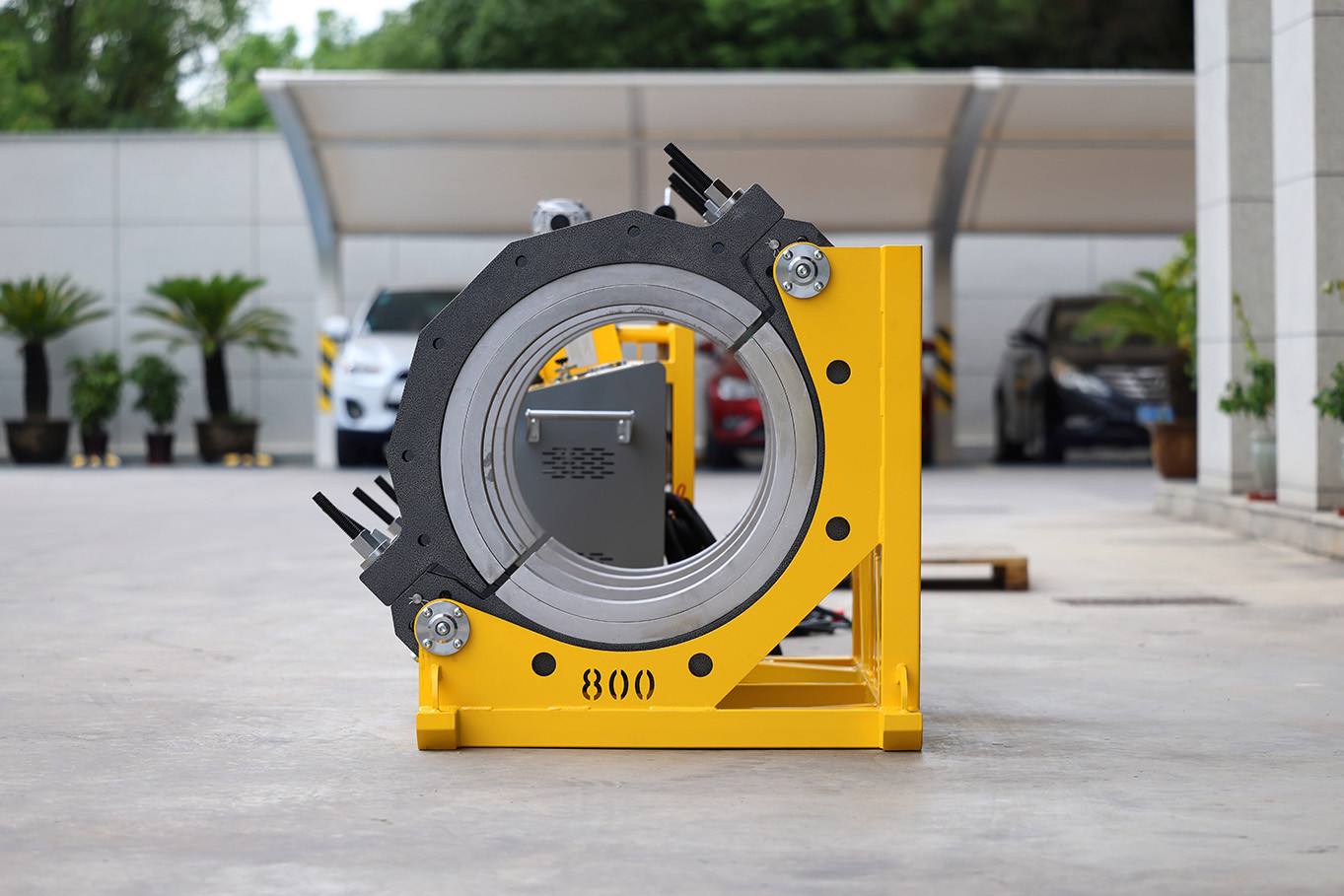
The WP800A uses a four-clamp frame. The pipes are secured on both sides, while the moving carriage is driven hydraulically to open and close the joint.
Large-diameter pipes place a substantial load on the machine. Once clamped, the frame must carry the weight of the pipe while also withstanding the axial forces created during facing and fusion.
If the base, clamps or guiding structure lack stability, the pipe ends may shift as the carriage moves. This makes alignment more difficult and can increase the time needed to correct high-low misalignment.
The four-clamp arrangement provides a longer support area and helps keep the pipe in a stable position during facing, heating and joining. This becomes especially important when handling long or heavy pipe sections.
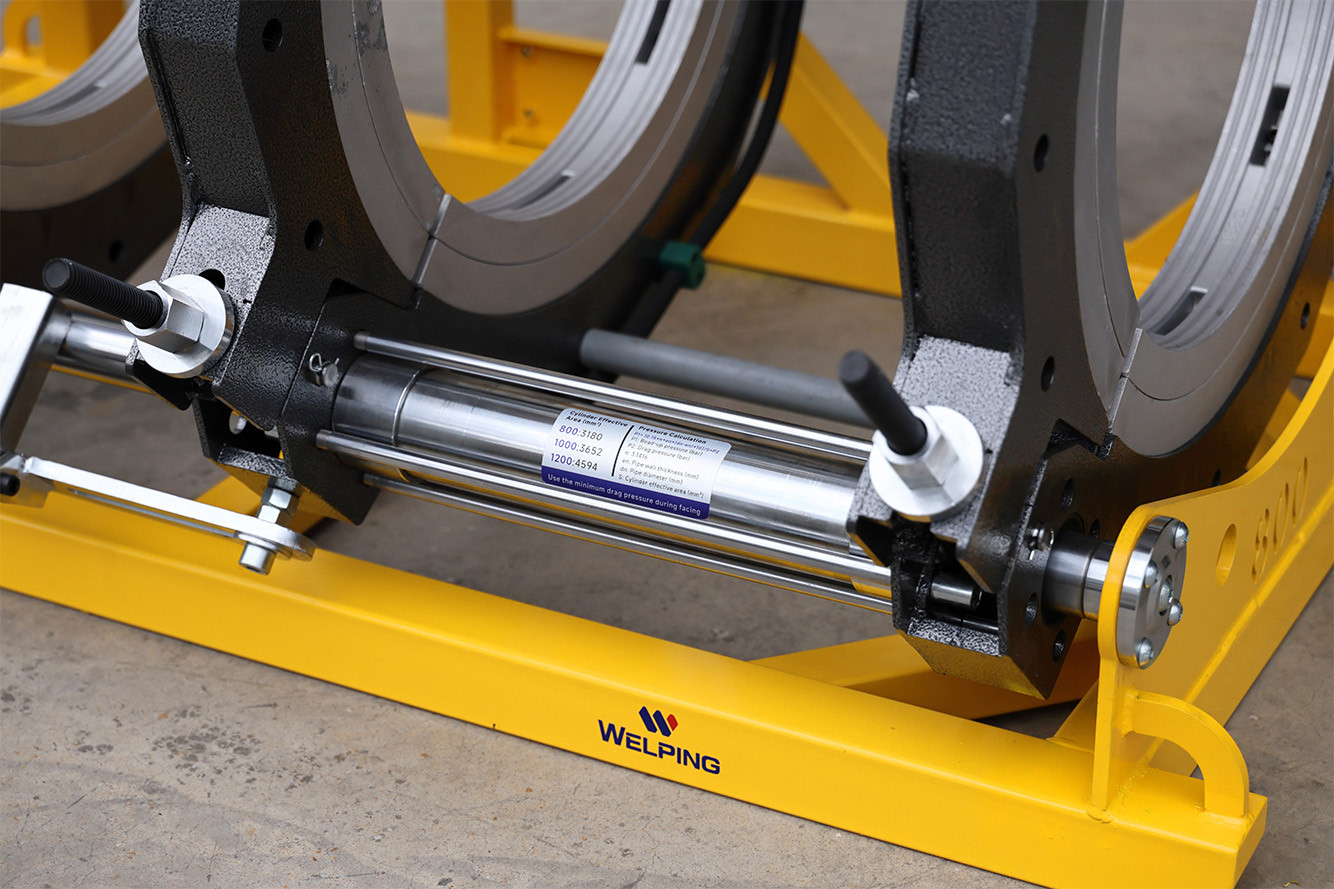
The underside and guide sections also show that frame stability depends on more than simply using thicker steel.
The moving carriage must travel consistently along its intended path. Smooth, controlled movement helps the pipe ends separate and come together without unnecessary lateral motion.
These details are easy to overlook, but they have a direct influence on how the machine performs after repeated use.
Clamping Inserts Must Match the Actual Pipe Sizes
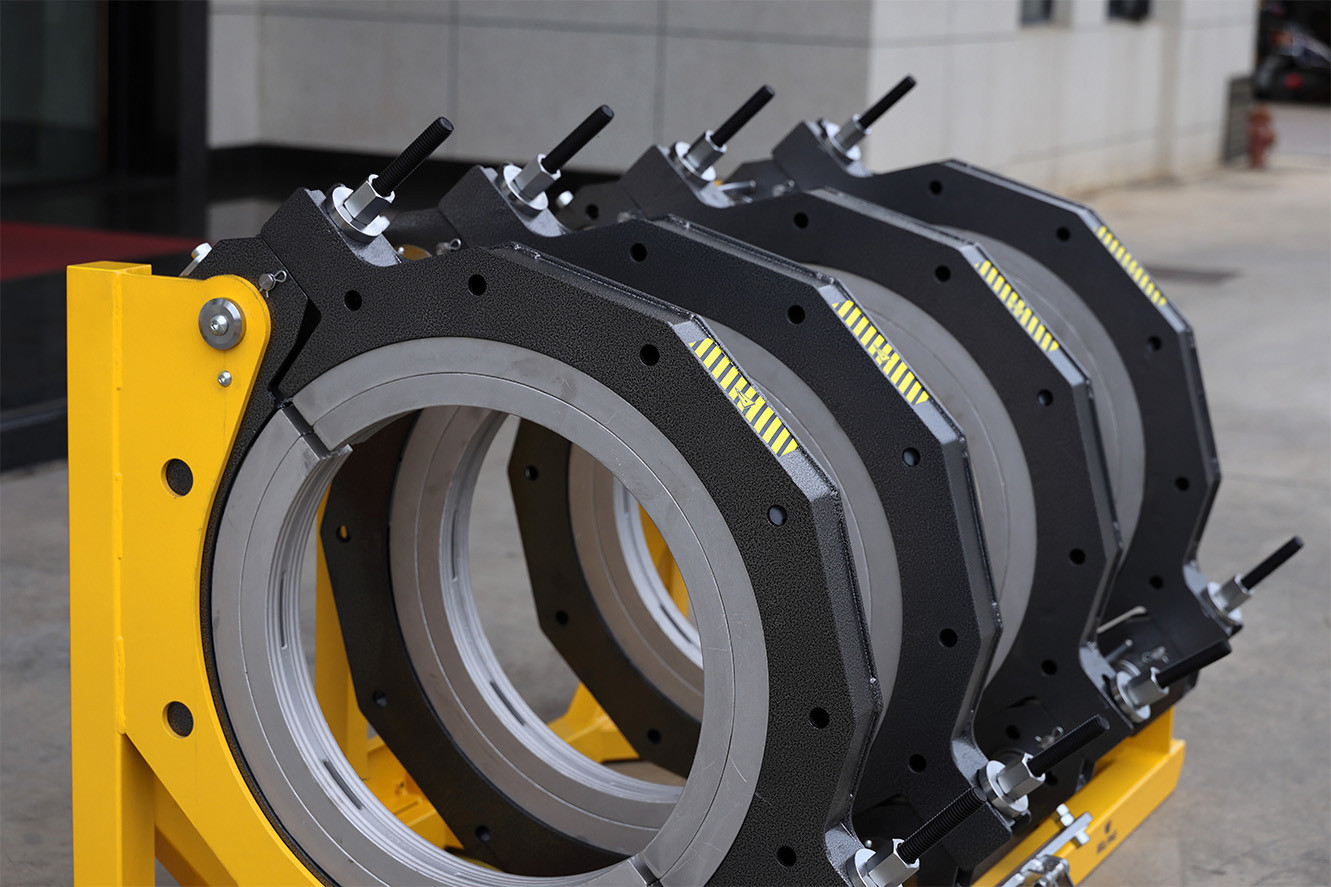
The main clamps provide the basic load-bearing structure, while different sets of clamping inserts allow the machine to accommodate the pipe diameters required for a particular project.
Once installed, the inserts provide more even contact around the pipe. Their purpose is not simply to apply greater clamping force, but to hold the pipe securely without unnecessary deformation and to provide a stable basis for alignment.
When purchasing a large butt fusion machine, buyers often focus first on the maximum fusion diameter. In practice, however, most projects involve more than one pipe size.
The quotation and machine configuration should therefore be checked against the pipe diameters that will actually be used on site. The corresponding inserts must also be confirmed.
On a machine of this size, the quantity, weight and installation method of the inserts all affect day-to-day operation. A complete and practical insert configuration can be more important on site than the maximum diameter shown in the specification table.
An Independent Hydraulic Power Unit Offers Greater Flexibility
The WP800A uses a separate hydraulic power unit fitted with wheels. It can be positioned beside the frame according to the site layout and the operator’s preferred working position.
This may appear to be a simple feature, but it is particularly useful during large-diameter fusion.
The operator needs to observe the facing process, check pipe alignment and monitor pressure during bead-up, heat soak, joining and cooling. When the control unit is too far from the frame—or hidden behind larger components—the operator has to move back and forth repeatedly.
A movable hydraulic unit can be placed where both the machine and the controls remain easy to see.
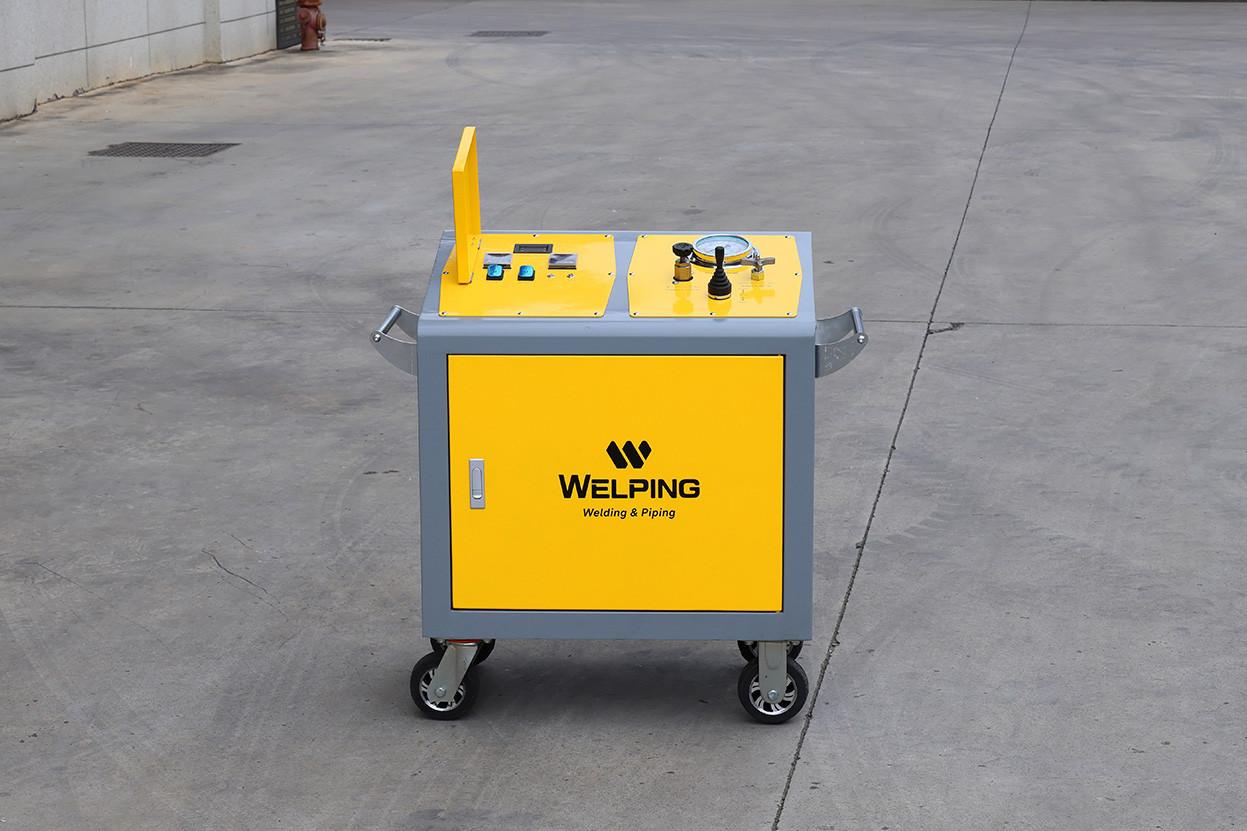
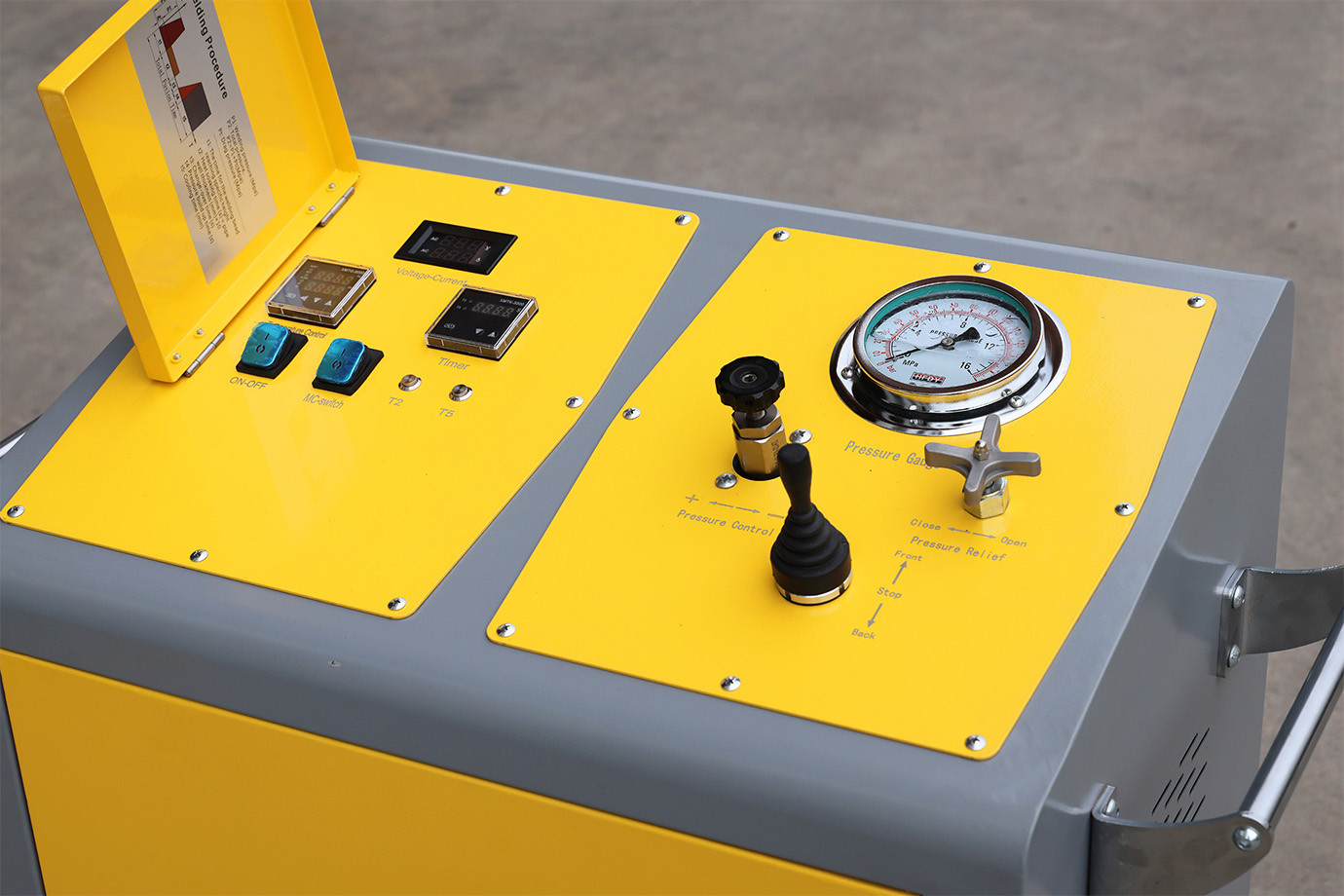
The WP800A uses a separate hydraulic power unit fitted with wheels. It can be positioned beside the frame according to the site layout and the operator’s preferred working position.
This may appear to be a simple feature, but it is particularly useful during large-diameter fusion.
The operator needs to observe the facing process, check pipe alignment and monitor pressure during bead-up, heat soak, joining and cooling. When the control unit is too far from the frame—or hidden behind larger components—the operator has to move back and forth repeatedly.
A movable hydraulic unit can be placed where both the machine and the controls remain easy to see.
Larger Pipe Diameters Place Greater Demands on Facing
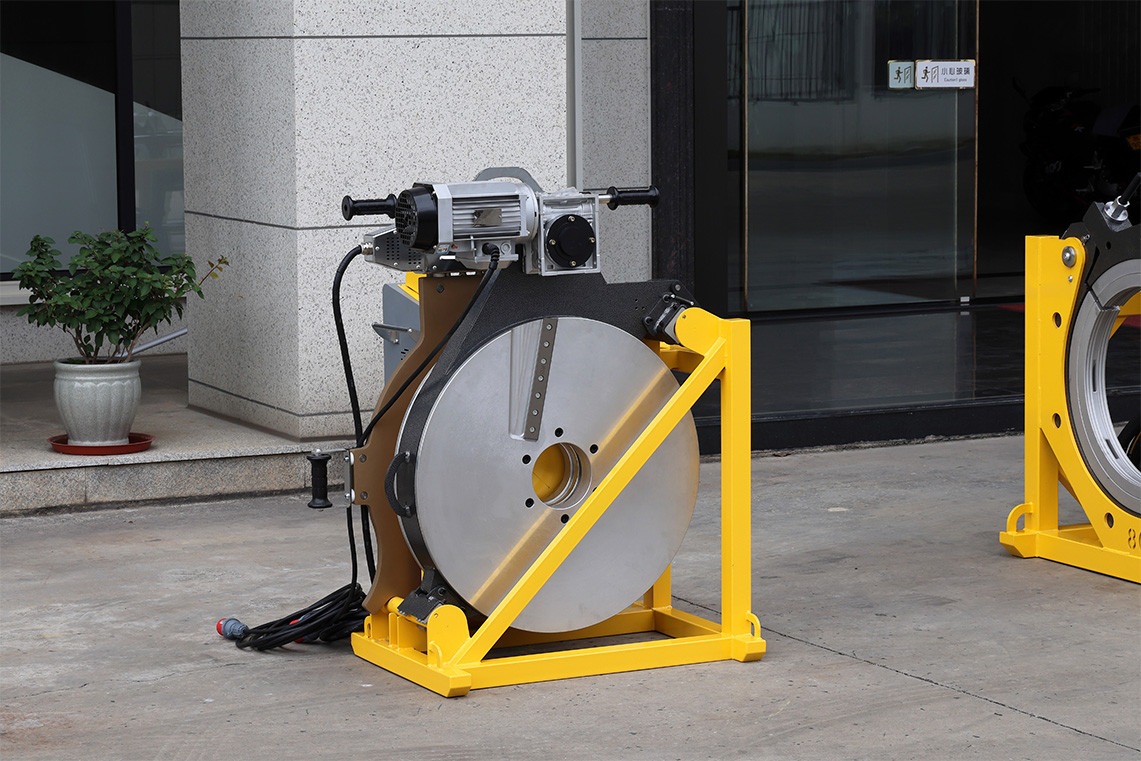
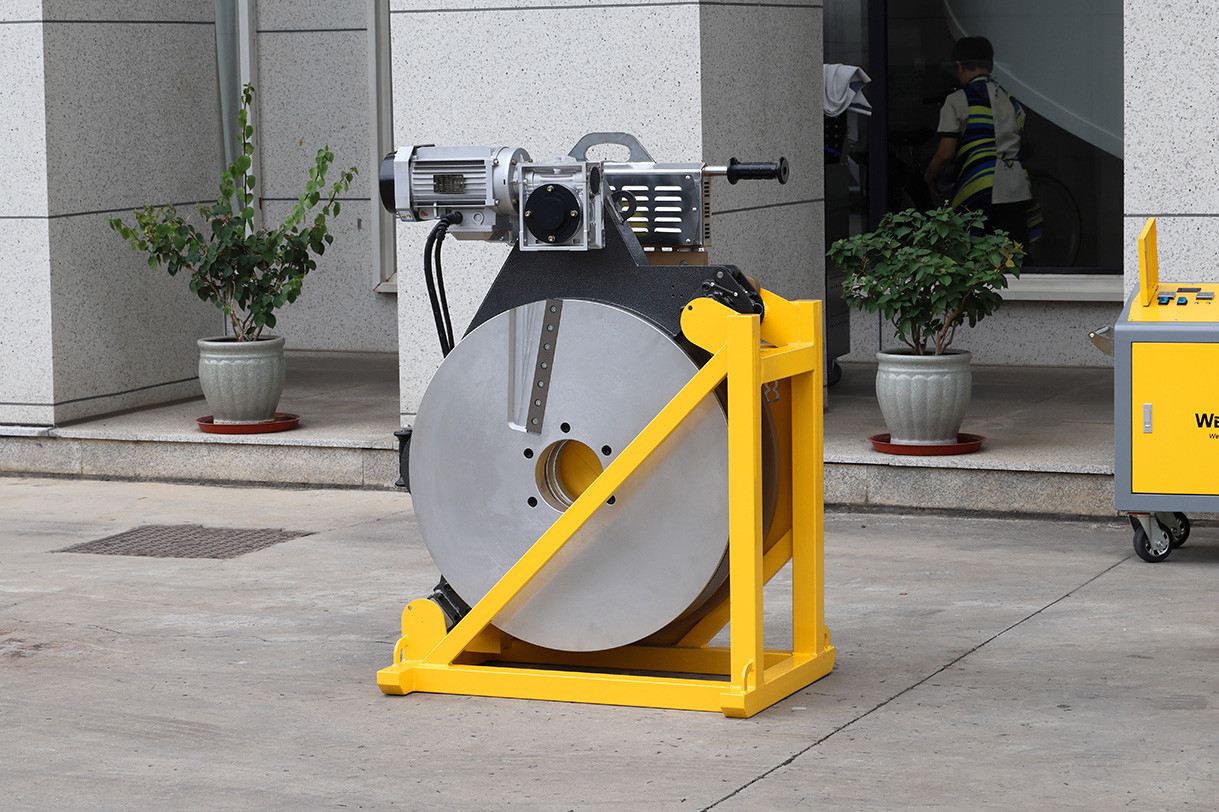
Before butt fusion, both pipe ends must be faced to remove oxidation and irregular material, leaving clean, flat surfaces that can meet evenly.
As the pipe diameter increases, the facing tool must process a much larger surface area. Motor power matters, but it is not the only consideration. The stability of the tool, the flatness of the facing disc and the way the unit sits within the frame are equally important.
The WP800A facing tool is used as a separate working component. It is placed between the pipe ends for facing and returned to its stand once the operation is complete.
With the tool removed, the operator has clear access to inspect the facing ribbons, check whether the pipe ends meet continuously and confirm that any high-low misalignment remains within the required limit.
Facing is not simply a matter of removing a layer from the end of the pipe. The aim is to create two clean, flat and parallel surfaces that are properly prepared for heating and fusion.
Storage Stands Do More Than Hold the Components
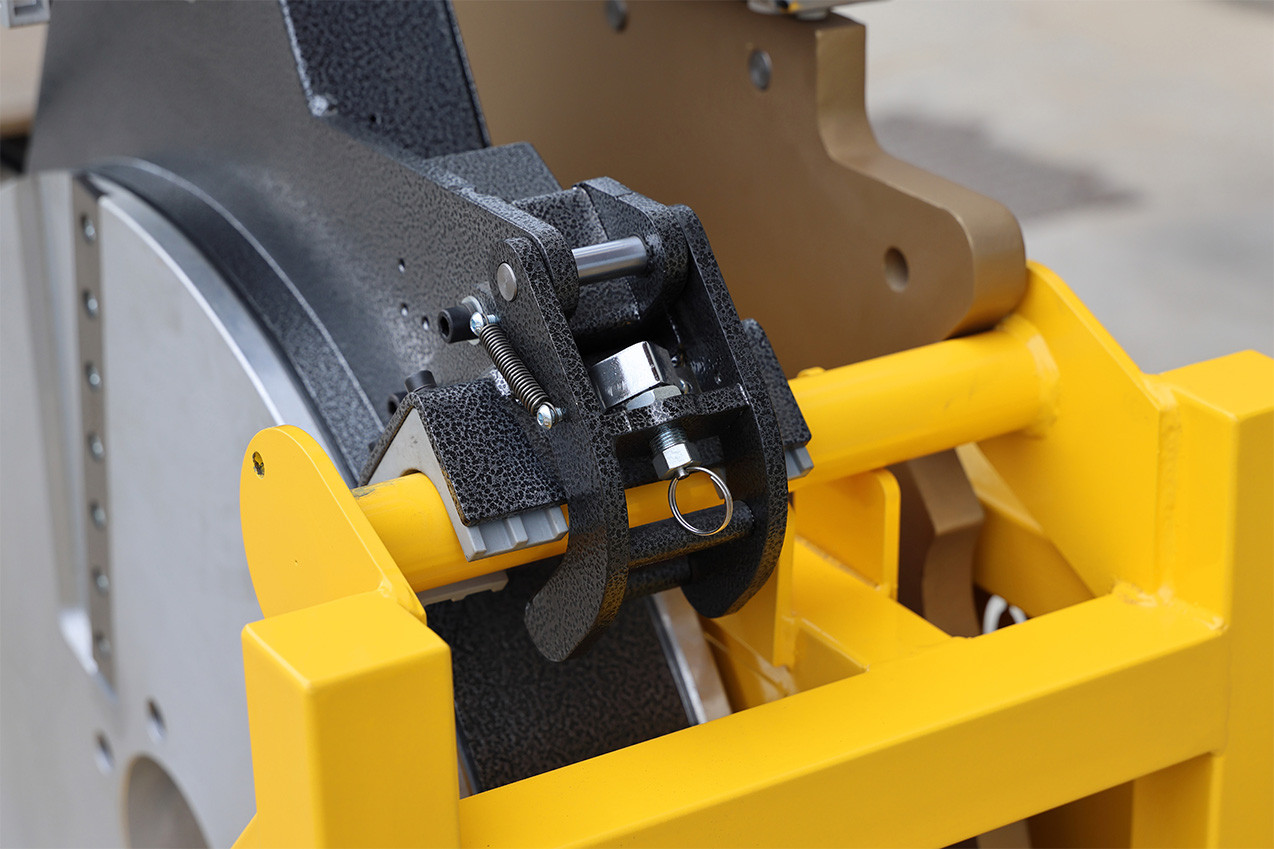
The facing tool and heater plate are each supplied with a dedicated storage stand. For large and heavy working components, these stands are an important part of the complete setup.
After facing, the tool must be removed from the frame. At the end of heat soak, the heater plate must also be taken out promptly. Without a fixed place for these components, the working area can quickly become disorganized, and critical surfaces may come into contact with the ground, dust or other contamination.
The stands provide a clear and stable storage position. They also allow the operator to plan the direction of movement in advance, making the fusion sequence more orderly.
This is particularly important for the heater plate, which remains at a high temperature during operation. A stable stand makes handling easier and reduces the risk of contaminating or accidentally touching the heating surface.
On a Large Machine, Convenience Means Making Every Step Work Smoothly
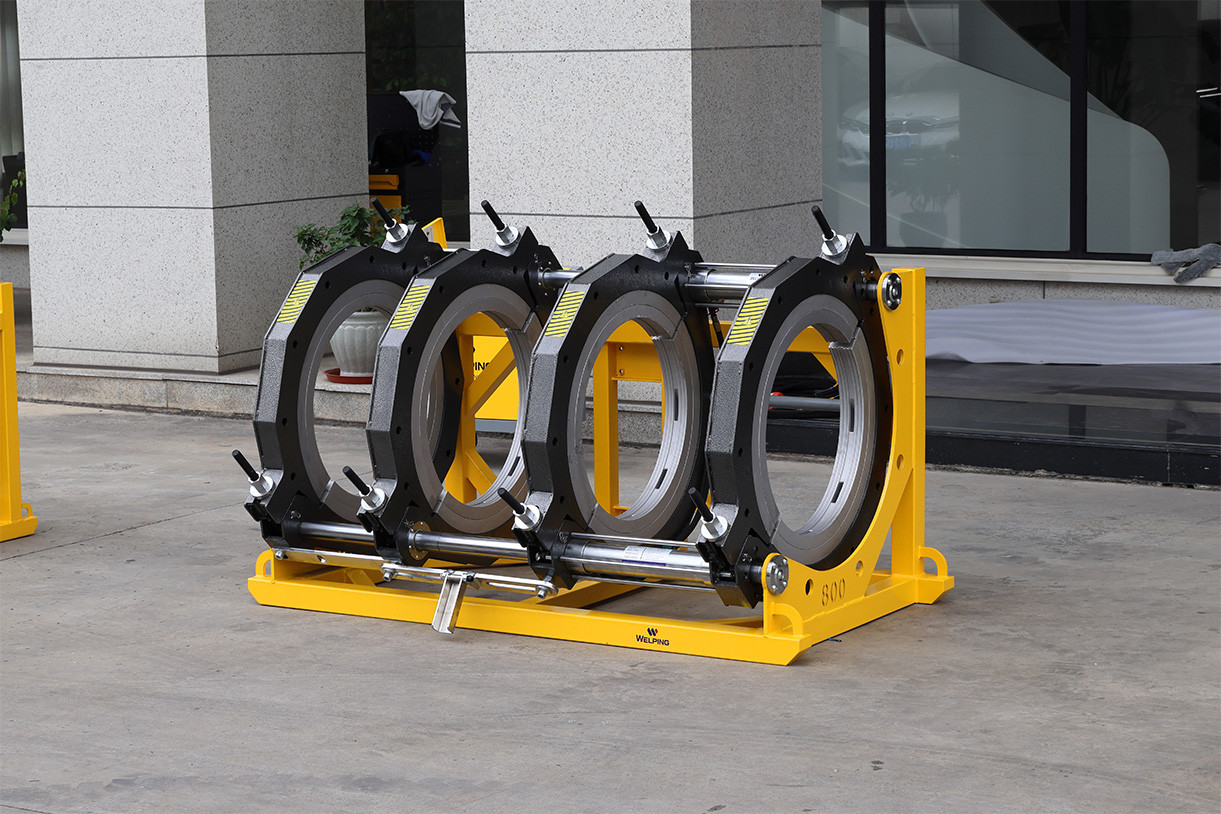
The WP800A is not intended to be a lightweight machine. It requires substantial structural strength to clamp, face and join large-diameter pipe.
A robust machine, however, does not have to be awkward to operate.
The four-clamp frame supports the pipe. The inserts adapt the machine to different diameters. The hydraulic power unit manages carriage movement and fusion pressure. The facing tool and heater plate each have their own storage position.
Every part has a clear role within the fusion process. The operator does not need to keep rearranging the equipment or find temporary places to put heavy components.
Sample ContentIndividually, these details may appear simple. Together, they have a noticeable effect on how practical the machine feels during real site work.Choosing a Large Butt Fusion Machine Involves More Than Checking Its Maximum Diameter
The maximum fusion diameter is an important specification, but it only tells the buyer which pipe sizes the machine can cover.
Once the equipment is on site, other questions become equally important:
· Does the frame remain stable under heavy loads?
· Can the pipe be clamped and aligned without excessive adjustment?
· Are the hydraulic controls clear and easy to monitor?
· Can the facing tool and heater plate be moved and stored properly?
· Do the individual components work together in a logical sequence?
Large-diameter pipe projects rarely involve only one or two joints. The machine must repeat the same cycle—clamping, facing, heating and joining—over an extended period while maintaining consistent working conditions.
The WP800A is not built around unnecessary complexity. Its design focuses on the fundamentals of large-diameter butt fusion: stable clamping, controlled movement, clear pressure monitoring and a working layout that supports the operator throughout the complete fusion cycle.