What Should You Look for in a Practical Butt Fusion Machine?
- Share
- publisher
- RUBR
- Issue Time
- Aug 25,2026
Summary
A practical butt fusion machine is about more than welding range and power. This article takes a closer look at the WP200B, focusing on stable pipe clamping, hydraulic pressure control, multi-size capability and a complete setup for everyday PE pipe fusion work.
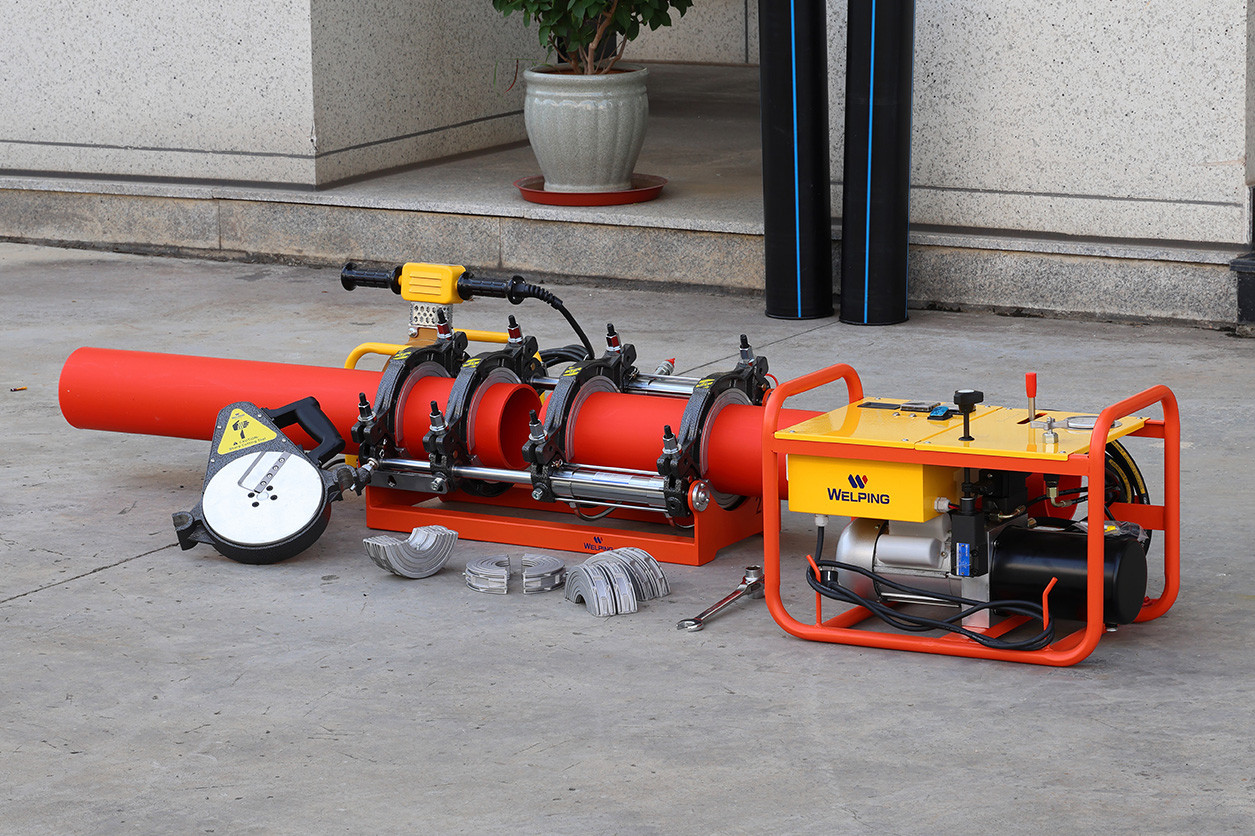
A Closer Look at the WP200B
When choosing a butt fusion machine, welding range, power and price are usually the first things people compare.
But once the machine is actually used on site, a few other factors become just as important: how securely the pipe can be clamped, how easily fusion pressure can be controlled, and whether the complete setup works smoothly through the fusion process.
Our latest photos of the WP200B hydraulic butt fusion machine offer a good opportunity to look at these practical details.
Stable Clamping Comes First
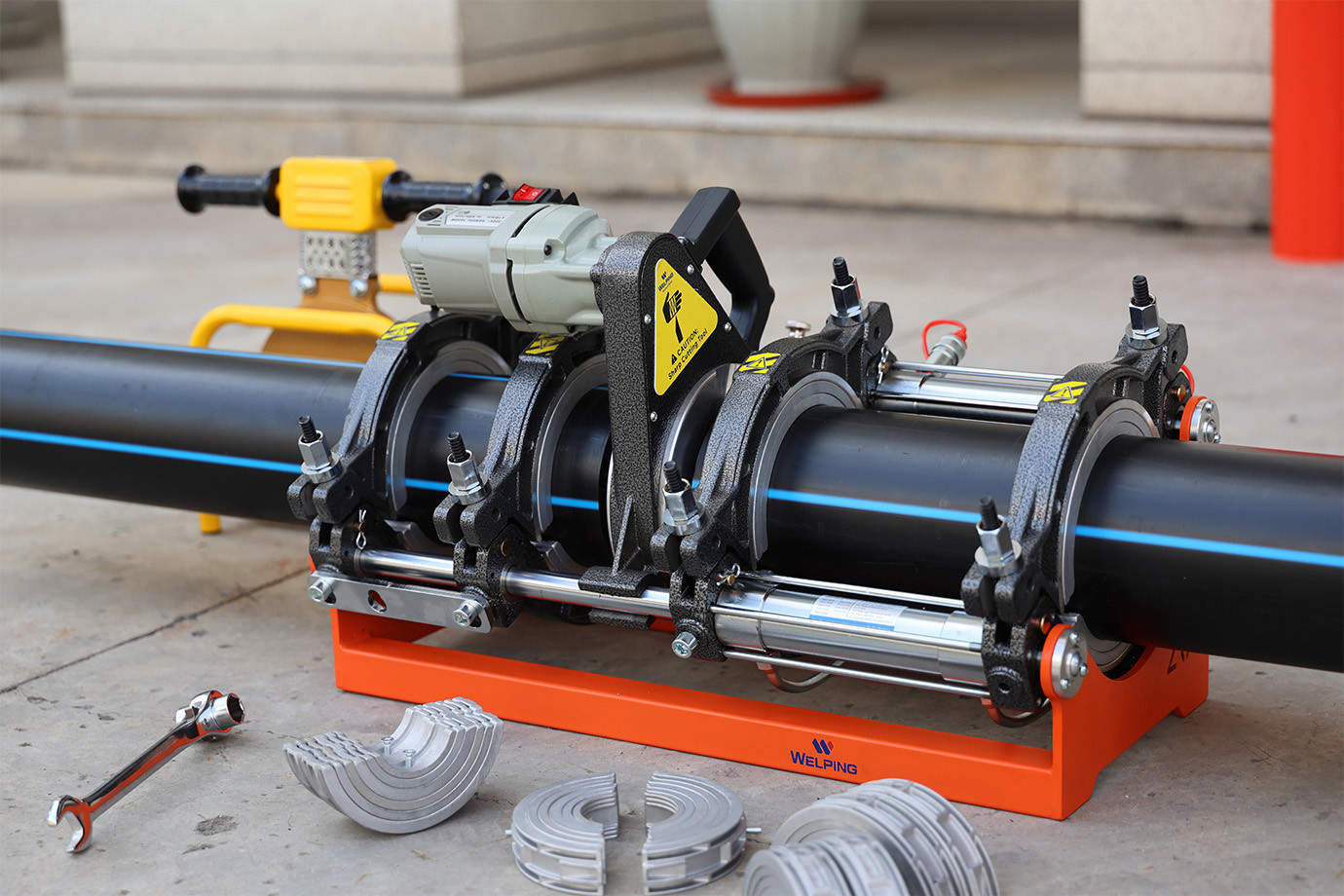
During facing, heating and fusion, the pipe needs to remain securely positioned.
Poor clamping can affect pipe alignment and make the following fusion steps more difficult.
The WP200B uses a four-clamp chassis to hold the pipe steadily throughout the process. For everyday pipe work, chassis stability is something worth considering alongside the machine's welding range.
Hydraulic Control Makes the Process Easier to Manage
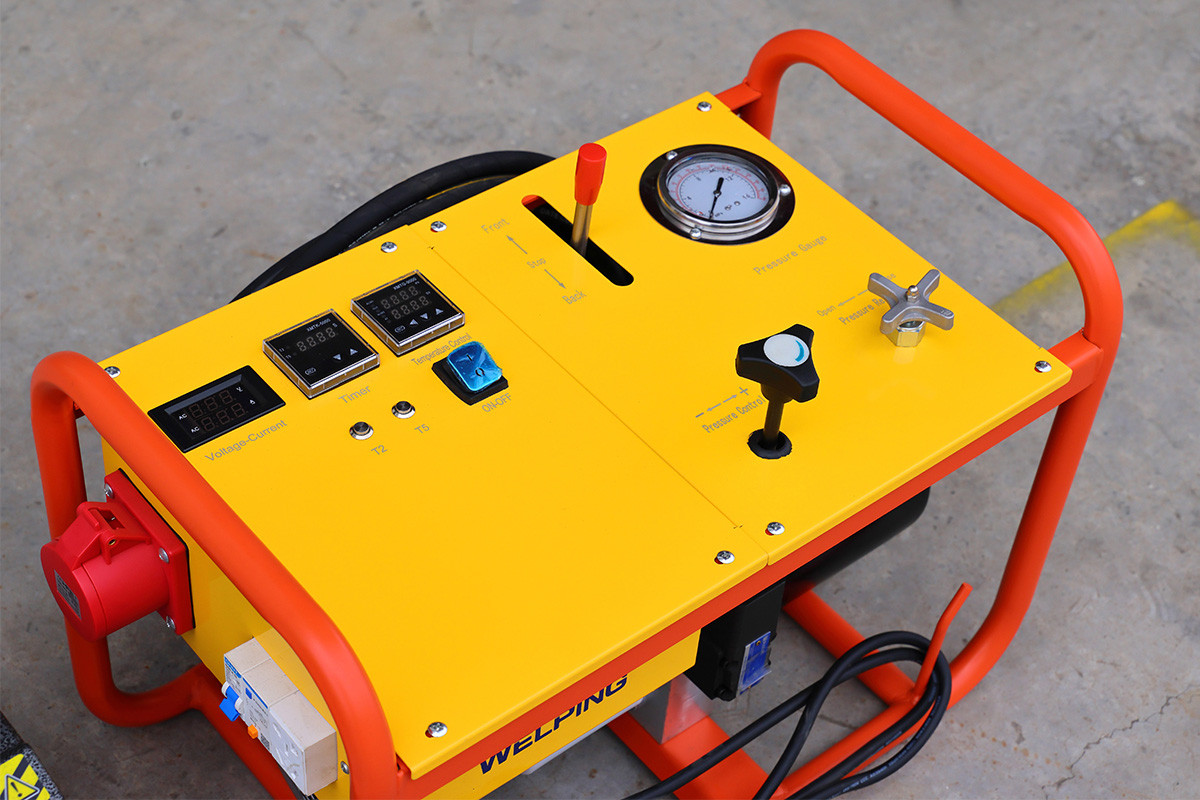
Butt fusion involves more than simply pushing two heated pipe ends together.
Pipe movement, alignment and fusion pressure all need to be controlled during the process.
The WP200B is equipped with a separate hydraulic unit, allowing the operator to control carriage movement and fusion pressure more conveniently.
A hydraulic system cannot replace correct welding parameters or proper operating procedures, but it can make the process easier to control and more consistent during repeated fusion work.
One Machine for Different Pipe Sizes
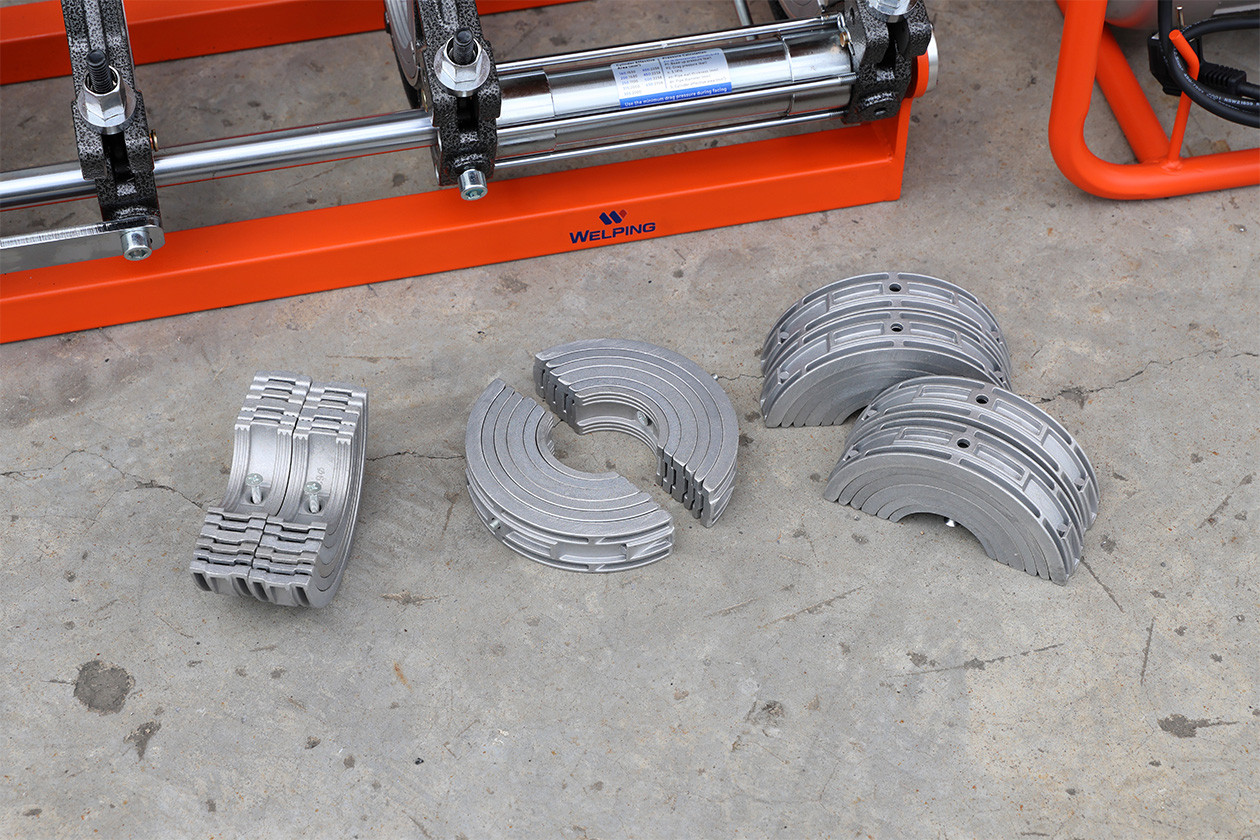
PE pipeline projects often involve more than one pipe diameter.
With interchangeable reduction inserts, the WP200B can work with different pipe sizes within its rated welding range, allowing one machine to cover more jobs.
When comparing machines, it is therefore worth checking not only whether reduction inserts are available, but also whether they cover the pipe sizes you regularly work with and how easily they can be installed.
Look at the Complete Setup, Not Just the Chassis
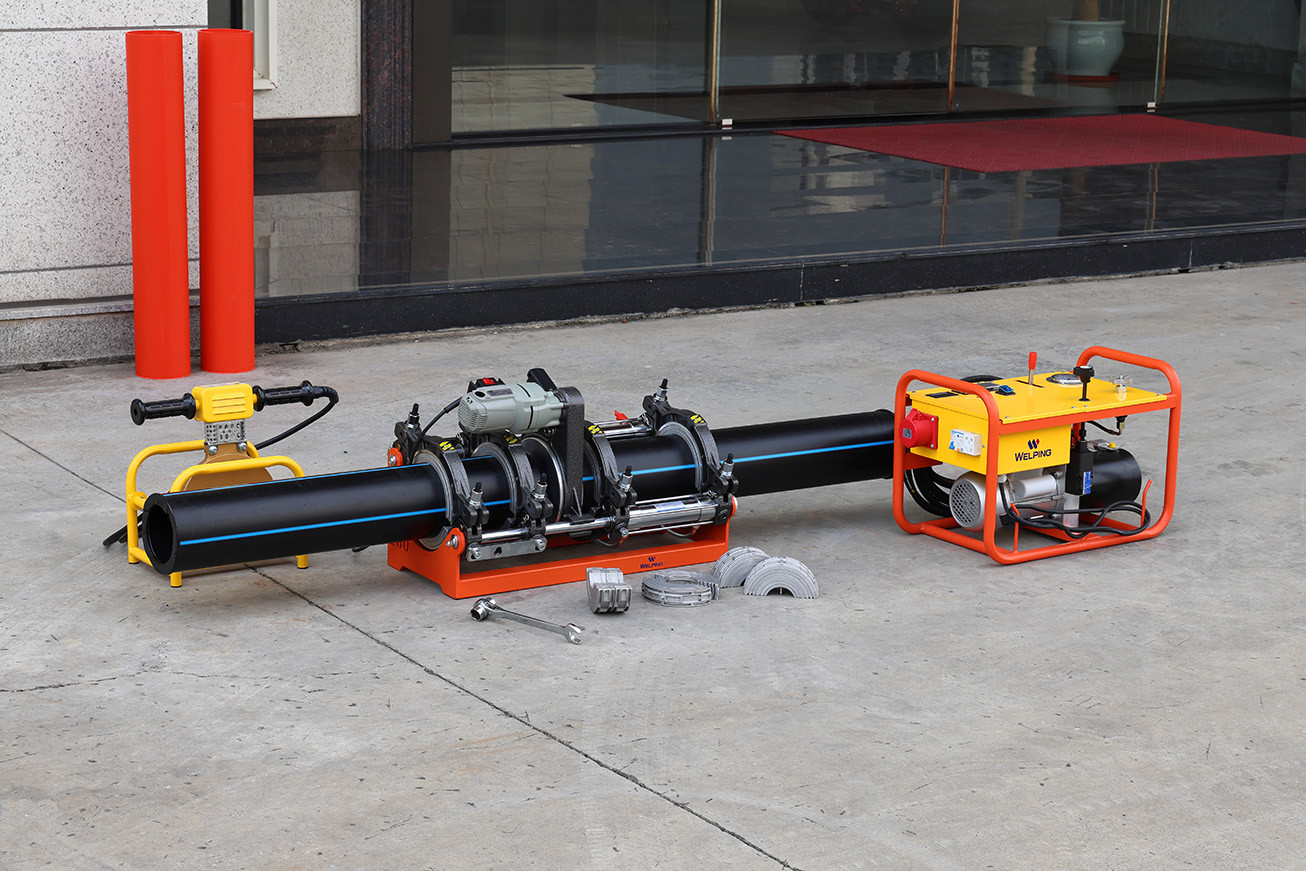
A butt fusion machine needs to complete a full working process:
Clamping → Facing → Heating → Fusion
That means the chassis should not be evaluated on its own.
The facer, heating plate, hydraulic unit and reduction inserts all need to work together as one complete system.
The WP200B combines these components in a relatively compact setup designed for everyday small- and medium-diameter PE pipe fusion work.
Three Things Worth Checking Before Choosing a Butt Fusion Machine
1. Can the machine hold the pipe securely?
Stable clamping helps maintain alignment during facing and fusion.
2. Is the fusion pressure easy to control?
Clear and stable pressure control makes the working process easier to manage.
3. Does the complete setup match your actual work?
Look beyond a single component and consider whether the whole system can complete the fusion process efficiently.
The idea behind the WP200B is straightforward: stable clamping, hydraulic control, multiple pipe-size capability, and the essential equipment needed for the complete butt fusion process.
For everyday PE pipe work, practical equipment is not necessarily about having more features. What matters is whether the important parts work well where they are actually needed.