Inverter vs. Transformer Typ — Which Should You Choose?
- Share
- publisher
- melissa
- Issue Time
- Sep 15,2026
Summary
*Simple & robust** — relies on a heavy line-frequency copper transformer, with fewer electronic components to fail.
*Bulky & heavy** — typically 30 kg or more, difficult to move around job sites.
*Basic control** — output is usually regulated by taps or timers, with limited precision.
*Lower efficiency** — higher no-load losses and greater energy consumption.
*Best for** — basic, low-volume PE pipe joining where portability and precision are not critical.
Posted by Melissa
WELPING Electrofusion Welding Machines: Inverter vs. Transformer Type — Which Should You Choose?
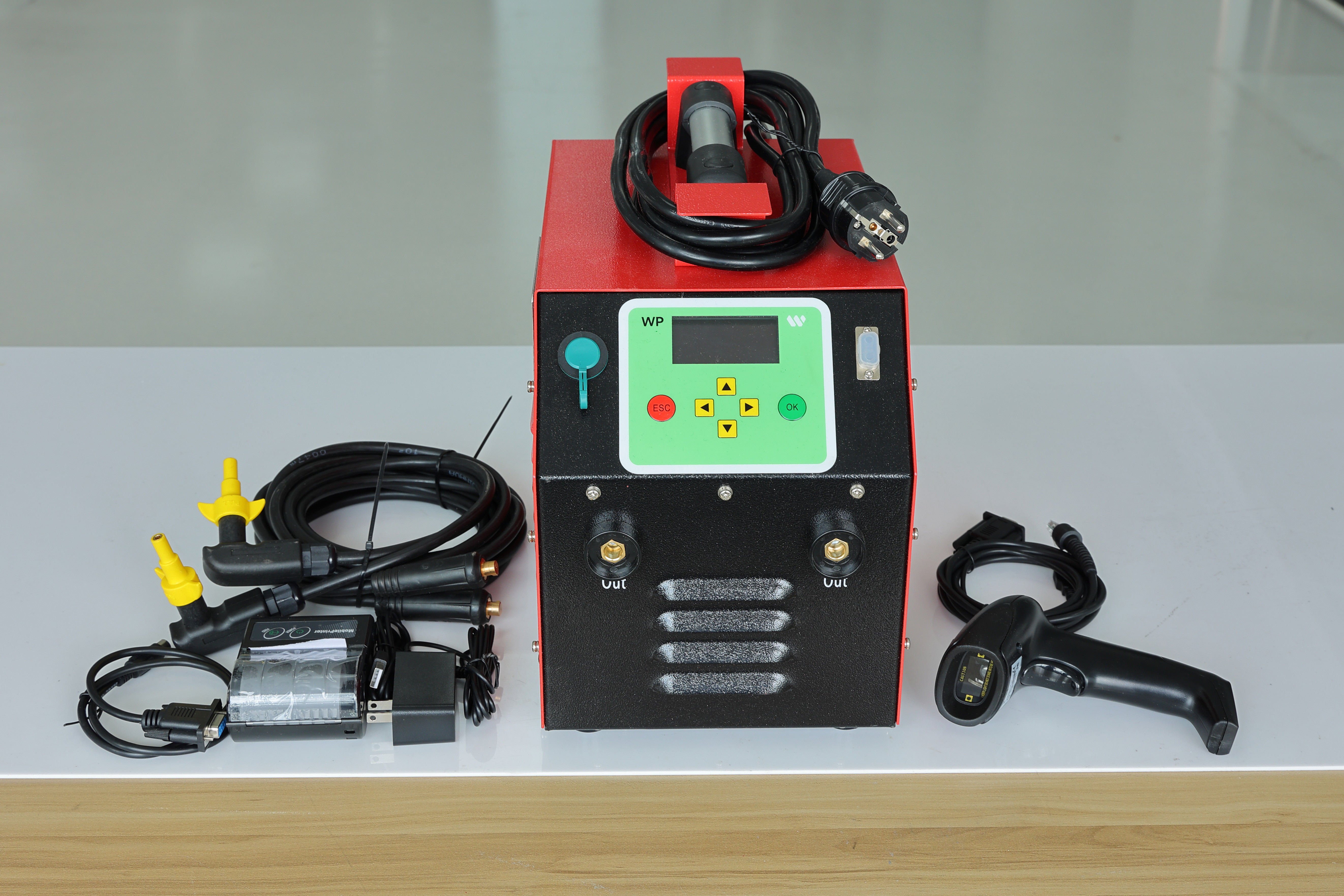
Inverter Type
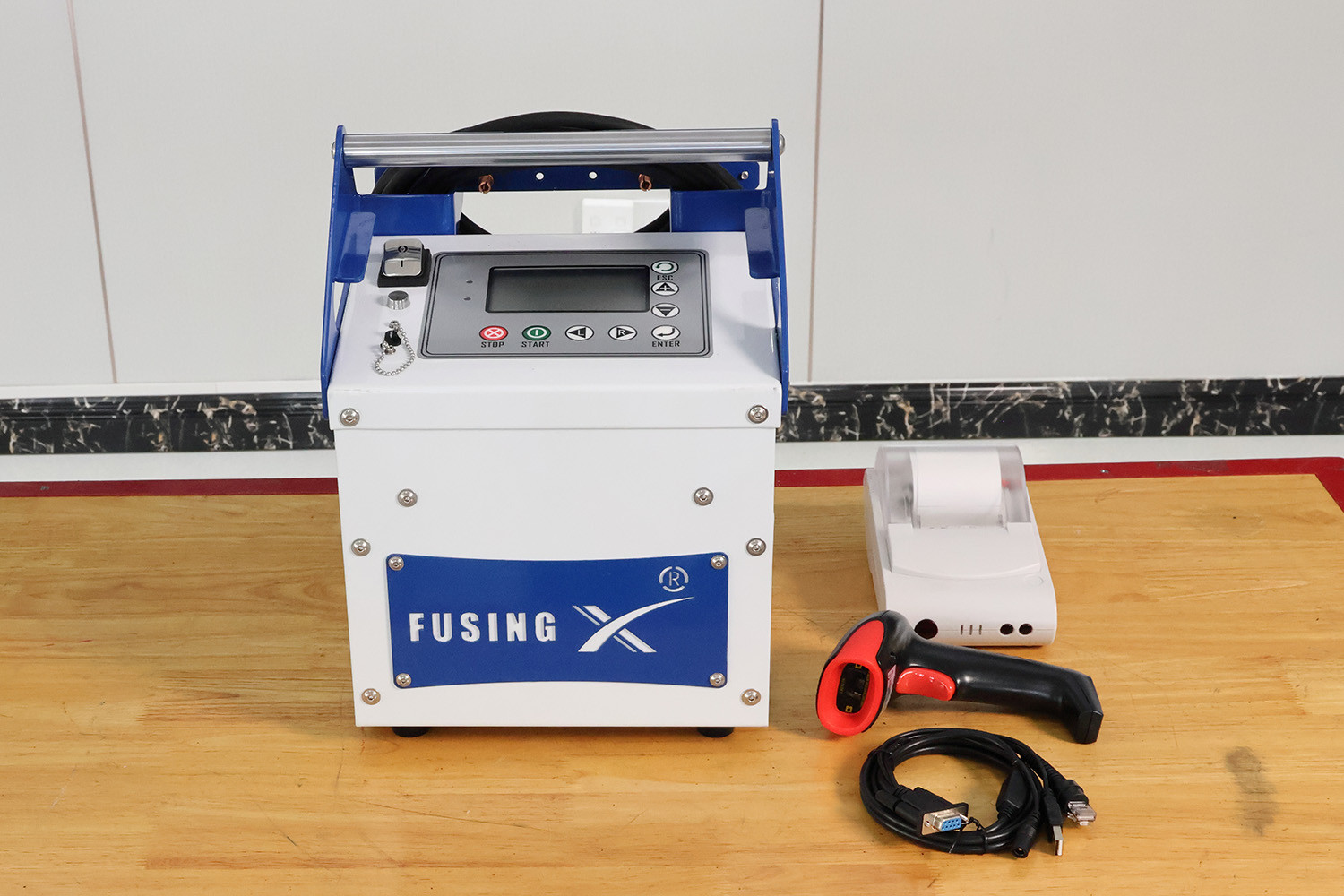
Transformer Type
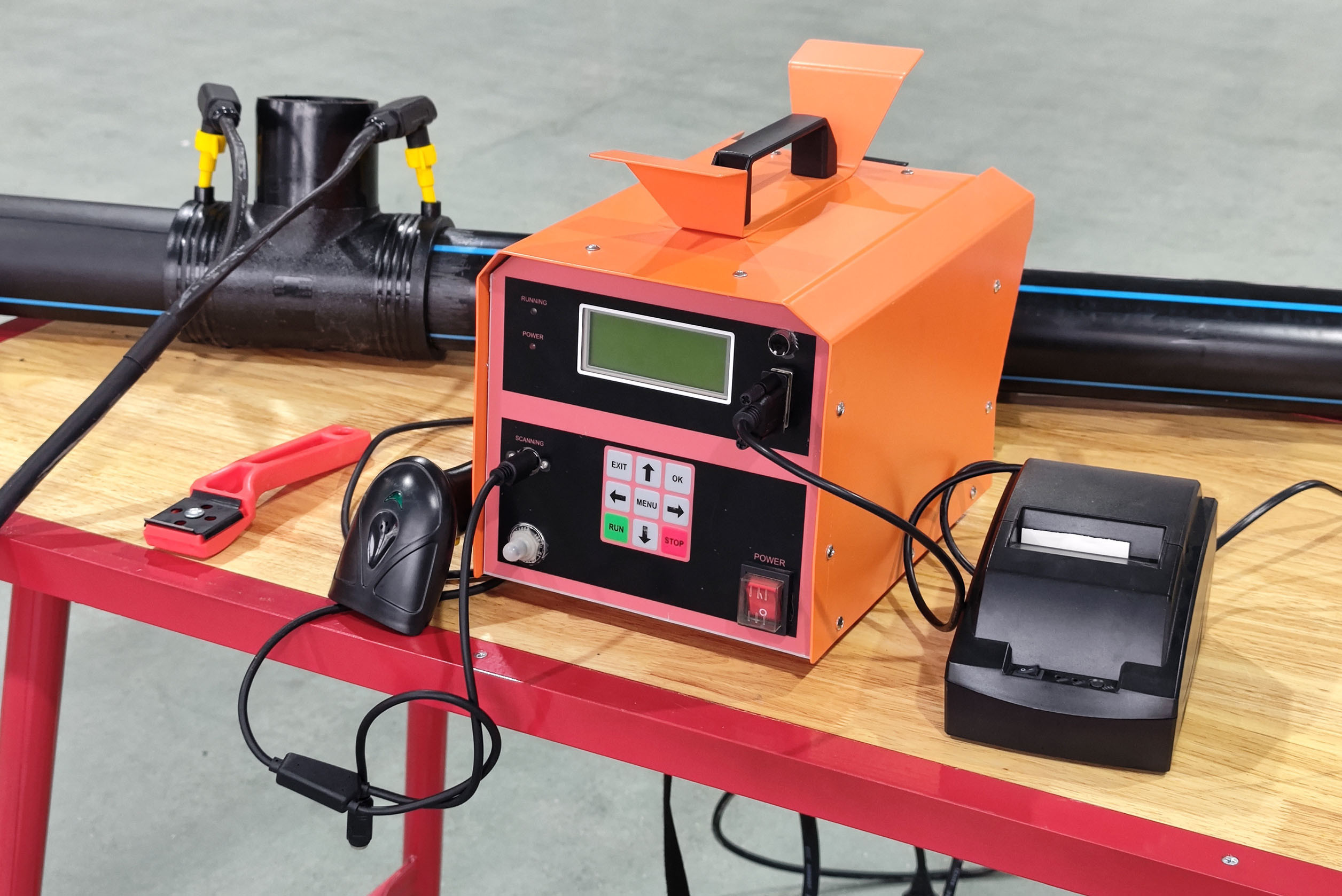
Transformer Type
In the field of PE pipe construction, electrofusion welding is one of the most commonly used processes for joining pipes. As technology has evolved, electrofusion welding machines have gradually developed into two major technical routes: the inverter type and the transformer type. Many purchasers are often confused when selecting a model: What exactly are the differences between the two? What is the value behind the price gap? This article provides a comprehensive comparison from the perspectives of working principles, performance, and applicable scenarios.
1. Understanding the Working Principles of Both Types
1.1 Transformer Type (Power Frequency Model)
The transformer type is the most traditional electrofusion welding machine structure. Its core is a power frequency step-down transformer that directly reduces 220V/380V mains electricity to the low-voltage, high-current output required by electrofusion fittings, and then controls welding time and energy through a simple circuit. There is no high-frequency conversion stage in the entire process, the current path is short, and the structure is straightforward at a glance.
1.2 Inverter Type (High Frequency Model)
The inverter approach uses a more complex technical path: the AC mains is first rectified into DC, then inverted back into high-frequency AC at tens of thousands of hertz via IGBT or MOSFET power devices. After being stepped down by a high-frequency transformer, it is rectified once more to deliver a stable welding current. Put simply, the inverter design replaces the "bulky copper transformer" with "high-frequency conversion," and replaces mechanical adjustment with electronic control.
2. Core Differences at a Glance
| Comparison Dimension | Transformer Type | Inverter Type |
| Core Components | Power frequency transformer | IGBT/MOSFET + High-frequency transformer |
| Overall Weight | Heavy (typically over 20kg) | Light (generally under 10kg) |
| Overall Size | Large | Small, approx. 1/3 to 1/2 of transformer type |
Conversion Efficiency | Approx. 60%–75% | Approx. 85%–93% |
Parameter Control Accuracy | Average, coarse time/voltage settings | High, precise setting of voltage, time & energy |
Output Stability | Significantly affected by grid fluctuations | Strong resistance to grid fluctuations, constant output |
Energy Saving Performance | Higher power consumption | Saves 20%–30% electricity for same welding volume |
Maintenance Difficulty | Simple circuit, convenient & low-cost maintenance | Complex circuit, requires professional maintenance |
Service Life | Durable transformer, long overall service life | Electronic components have aging cycles, requires regular maintenance |
3. Respective Advantages and Disadvantages
3.1 Transformer Type: Robust and Durable, the Cost-Effective Choice
Advantages:
*Simple structure, low failure rate: No complex electronic control board; the main components are just the transformer and contactor, making problems easy to diagnose.
*High durability: High tolerance for harsh construction site environments (dust, humidity, unstable voltage); not easily damaged even with "rough use."
*Low maintenance cost: Inexpensive parts; ordinary electricians can handle most faults.
*Low purchase investment: At the same power, the price is typically 30%–50% lower than the inverter type.
Disadvantages:
*Bulky and not portable: Power frequency transformers use a large amount of copper; the whole machine often weighs 20–30kg, making it difficult for one person to carry.
*High energy consumption: Low conversion efficiency; significant electricity cost difference during long-term operation.
*Limited control accuracy: Few welding parameter adjustment settings; insufficient adaptability for thin-wall fittings or high-precision projects.
*Poor grid adaptability: Output capability significantly drops when voltage is low; easily "unable to keep up" in remote construction sites or temporary power scenarios.
3.2 Inverter Type: Precise and Efficient, a Portable Construction Tool
Advantages:
*Light and portable: High-frequency transformers are small in size and use less copper, significantly reducing overall weight; especially suitable for field, high-altitude, and long-distance mobile operations.
*Stable welding quality: Digital control precisely outputs the set voltage and energy, ensuring good welding consistency and reducing cold welds or over-welding caused by human factors.
*Energy saving: High efficiency means less electrical energy loss; significant electricity savings over long-term use.
*Strong grid adaptability: Wide voltage design (some models support 175V–250V); can work stably even at construction sites with unstable voltage.
*Rich features: Can store welding parameters, automatically identify fitting barcodes, and record welding data, meeting engineering traceability requirements.
Disadvantages:
*High maintenance threshold: Complex circuit; fault diagnosis requires professional technicians, and parts are more expensive.
*High environmental sensitivity: Electronic components are relatively sensitive to dust, humidity, and high temperature; requiring more attention to protection in harsh environments.
*Service life affected by component aging: Electrolytic capacitors, power modules, etc. have certain aging cycles; performance may gradually decline after long-term use.
4. Applicable Scenarios: There Is No Best, Only the Most Suitable
4.1 Scenarios Where the Transformer Type Is Preferred
*Operations in fixed factories/workshops where equipment is not frequently moved.
*Limited budget, pursuing the lowest purchase cost.
*Harsh construction environment, high requirements for equipment durability.
*Routine projects with high welding volume but uncomplicated parameter requirements.
*Lack of professional maintenance personnel on site, needing "easy to fix when broken."
4.2 Scenarios Where the Inverter Type Is Preferred
*Field construction, gas/water supply pipe emergency repair, requiring frequent transportation.
*High-altitude or confined space operations, sensitive to equipment weight.
*Key projects with high requirements for welding quality and consistency.
*Remote areas or temporary power scenarios with unstable grid voltage.
*Standardized projects requiring welding data recording and parameter traceability.
*Long-term high-frequency use, hoping to reduce overall costs through energy savings.
5. Purchasing Advice: Calculate the Comprehensive Cost
When selecting a model, do not just look at the purchase price; it is recommended to evaluate from the perspective of total lifecycle cost:
*Frequency of use: If used only a few times a year, the low cost of the transformer type is more cost-effective; if used daily for long periods, the energy-saving and efficiency advantages of the inverter type will gradually offset the price difference.
*Mobility needs: If the equipment needs to be moved around frequently, choose the inverter type directly; the difference in worker labor intensity and construction efficiency is significant.
*Project requirements: For projects involving gas pipelines with strict welding traceability requirements, the data recording function of the inverter type is a necessity.
*Maintenance capability: Does the team have someone who understands electronic maintenance? If not, the "simple and reliable" transformer type is actually more worry-free.
*Grid conditions: Is the construction site voltage stable? If it is often below 200V, the wide voltage design of the inverter type can avoid a lot of trouble.
6. Conclusion
The transformer type and inverter type are not in a "new replacing old" relationship, but rather two technical solutions for different needs. The transformer type excels in simplicity, affordability, and durability; the inverter type is strong in portability, precision, and efficiency.
For most construction units, the ideal configuration may be "using the inverter type as the main equipment to ensure efficiency and quality, with a transformer type as backup for harsh environments and emergencies." Of course, the final decision should be based on your own construction scenarios, budget, and maintenance capability — what suits you is the best.