What Change Happens to Welping CM-12 Pipe Cutting Machine? Boost Your Productivity With the New Design
- Share
- publisher
- Jason
- Issue Time
- Nov 9,2026
Summary
1"-12" Steel Pipe Cutting Machine
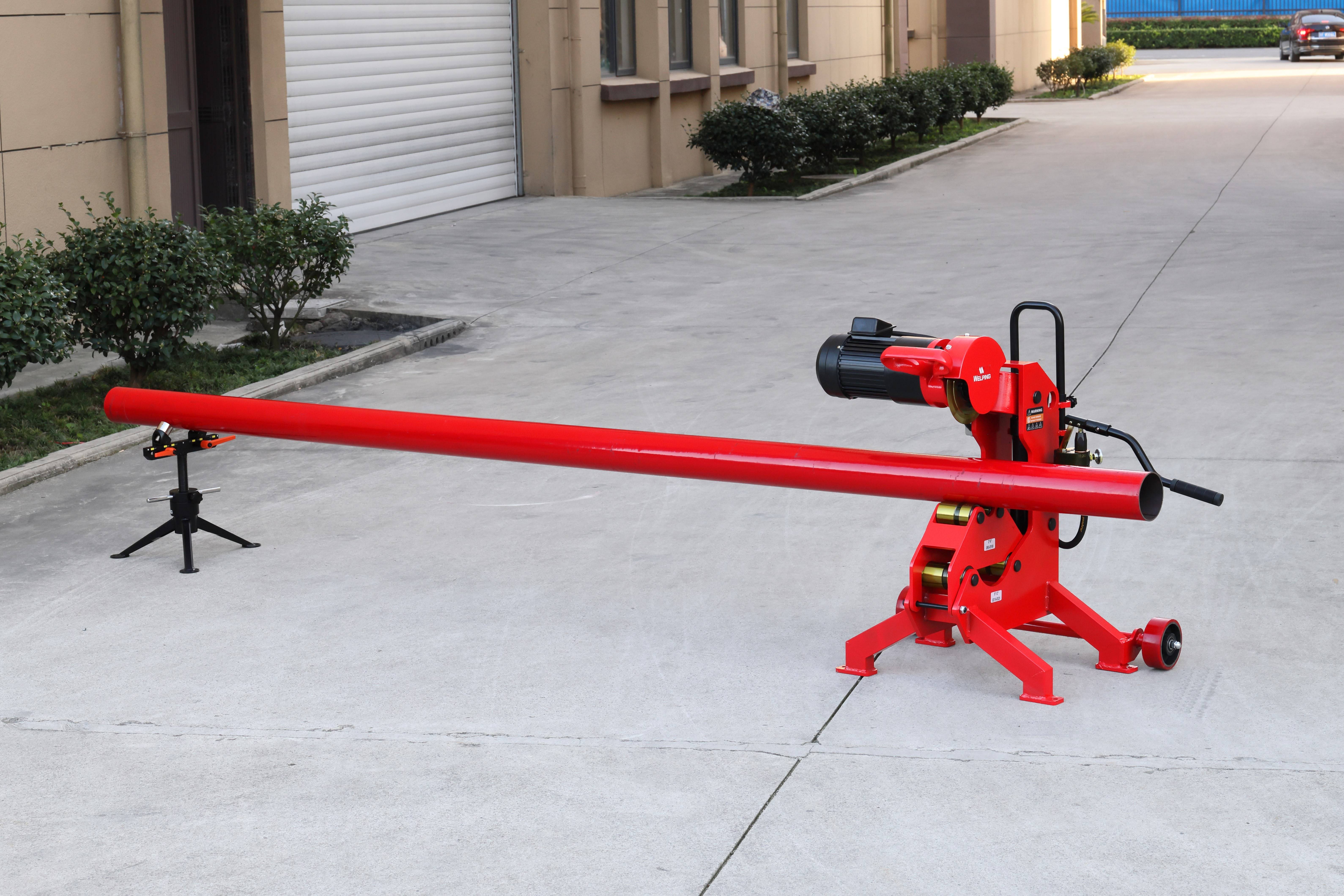
2"-12" Welping CM-12 Pipe Cutting Machine up to 10mm thick, Suitable for cutting steel pipes, stainless steel pipes, and ductile iron pipes, 220/110V 50/60Hz
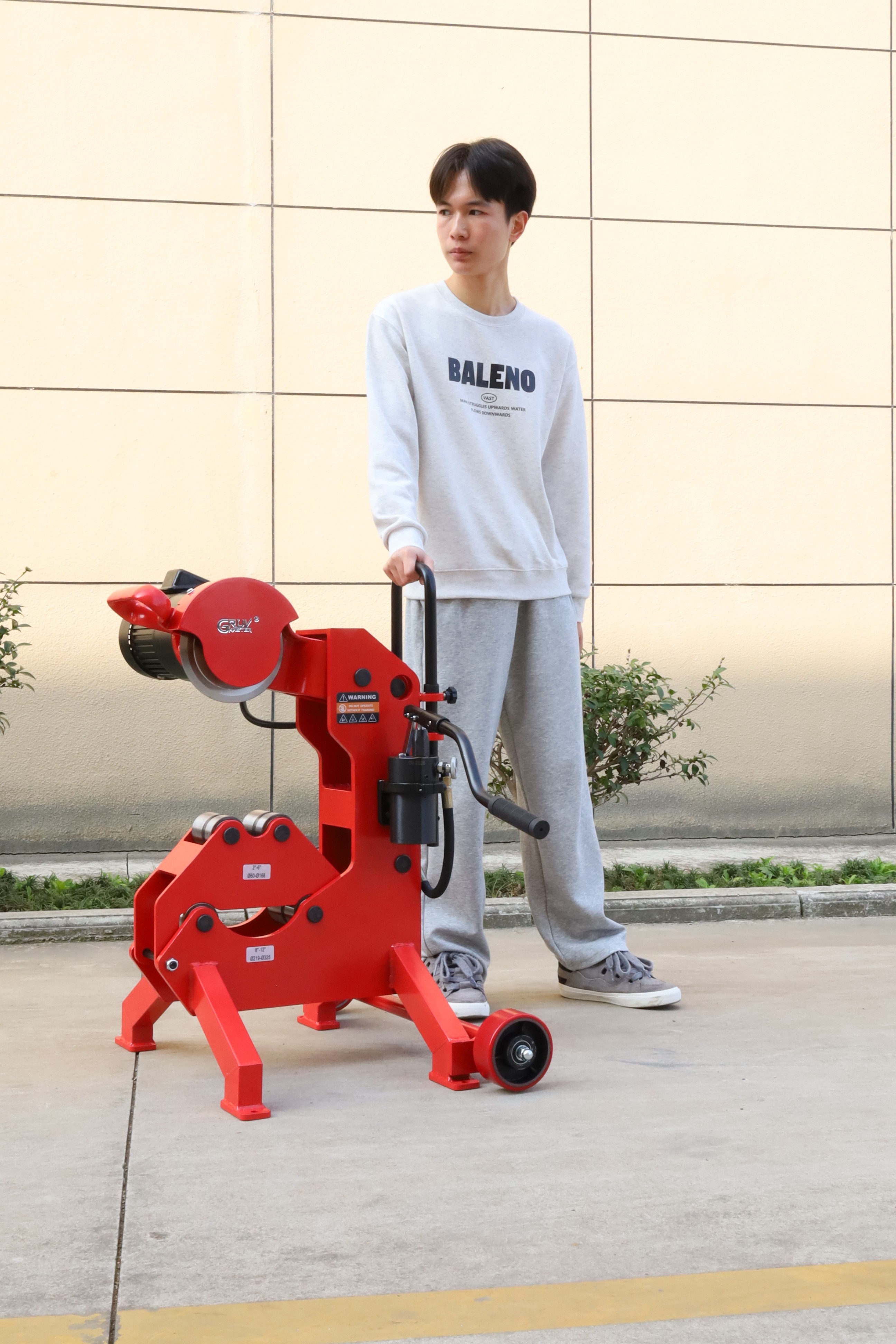
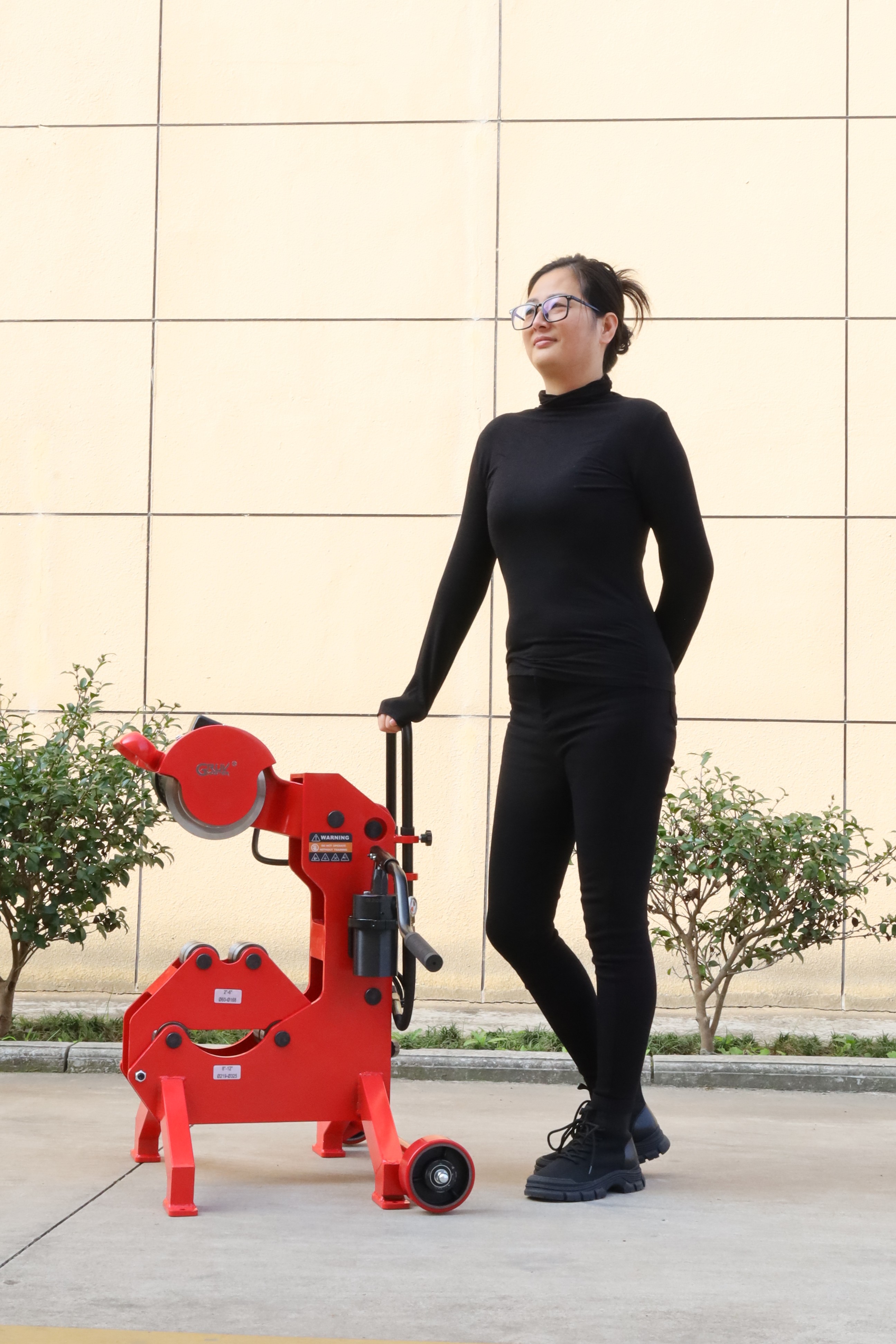
The updated Welping CM-12 electric hydraulic pipe cutting machine makes two everyday tasks easier: positioning the pipe before a cut and moving the machine between work areas. Here’s how the updated pipe stand and machine frame compare with the earlier versions.
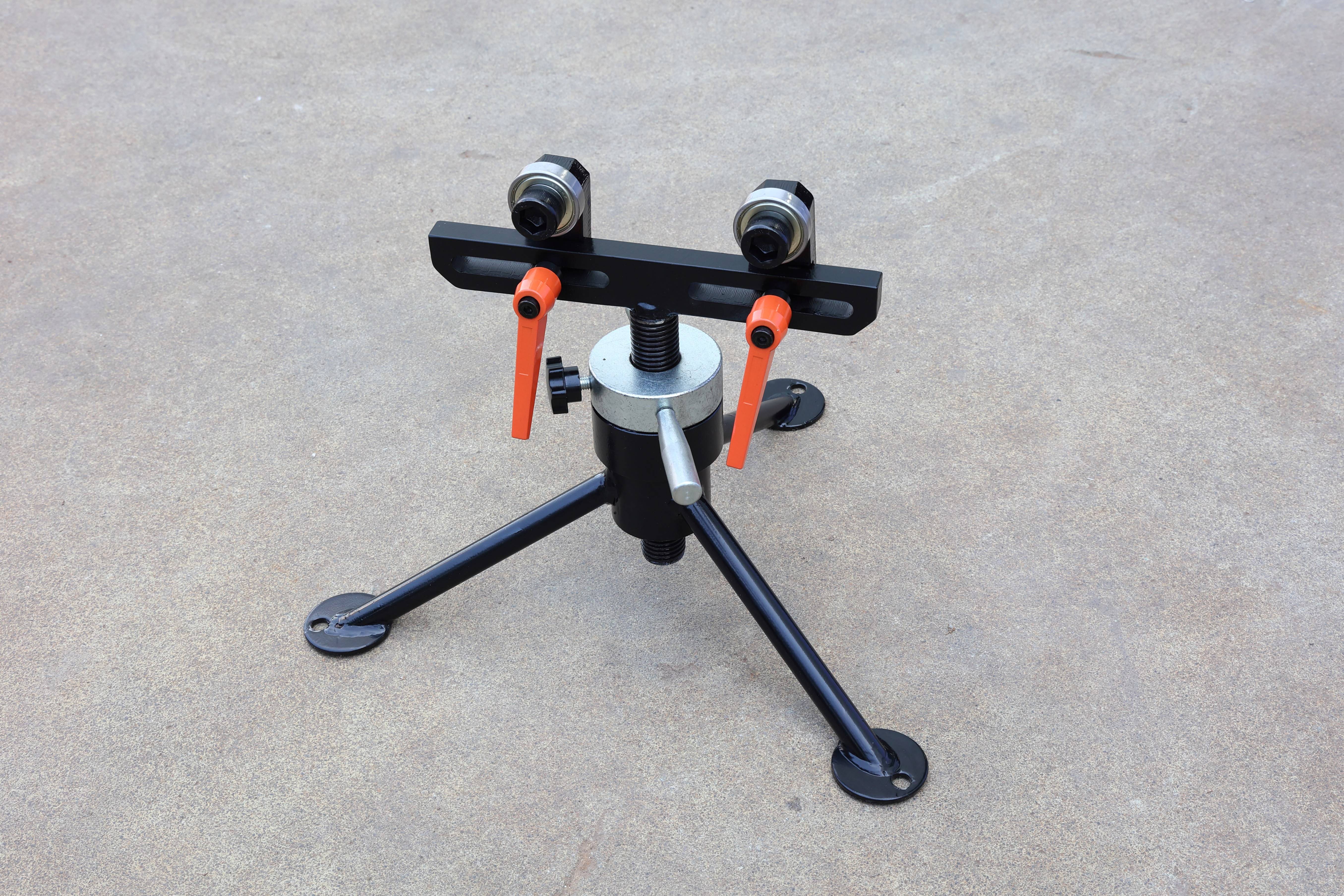
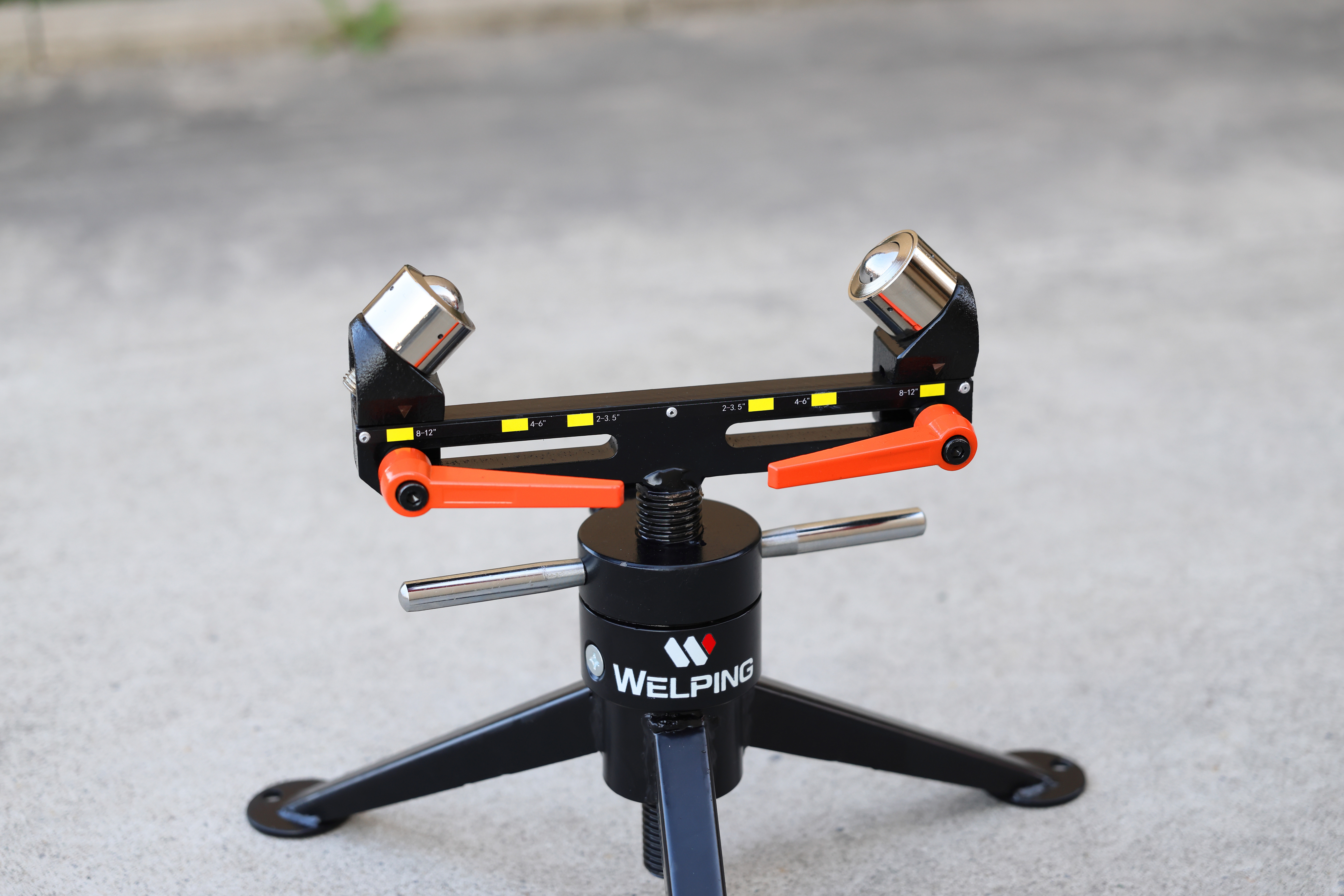
Pipe Stand: Ball Transfer Units and Pipe Size Markings
An Updated Pipe Stand for Positioning Steel Pipe
The earlier stand supported the pipe on roller bearings. The updated stand uses two ball transfer units. Because the balls roll in multiple directions, operators can make small adjustments to the pipe’s position while it rests on the stand. This is useful when lining up a longer section of steel pipe with the cutter before starting a cut.
The new crossbar also has pipe size markings. When switching from one pipe diameter to another, operators can refer to the markings to find a starting position for both support heads, then fine-tune the pipe’s alignment at the machine. The markings also give operators a reference when returning to a pipe size they worked with earlier.
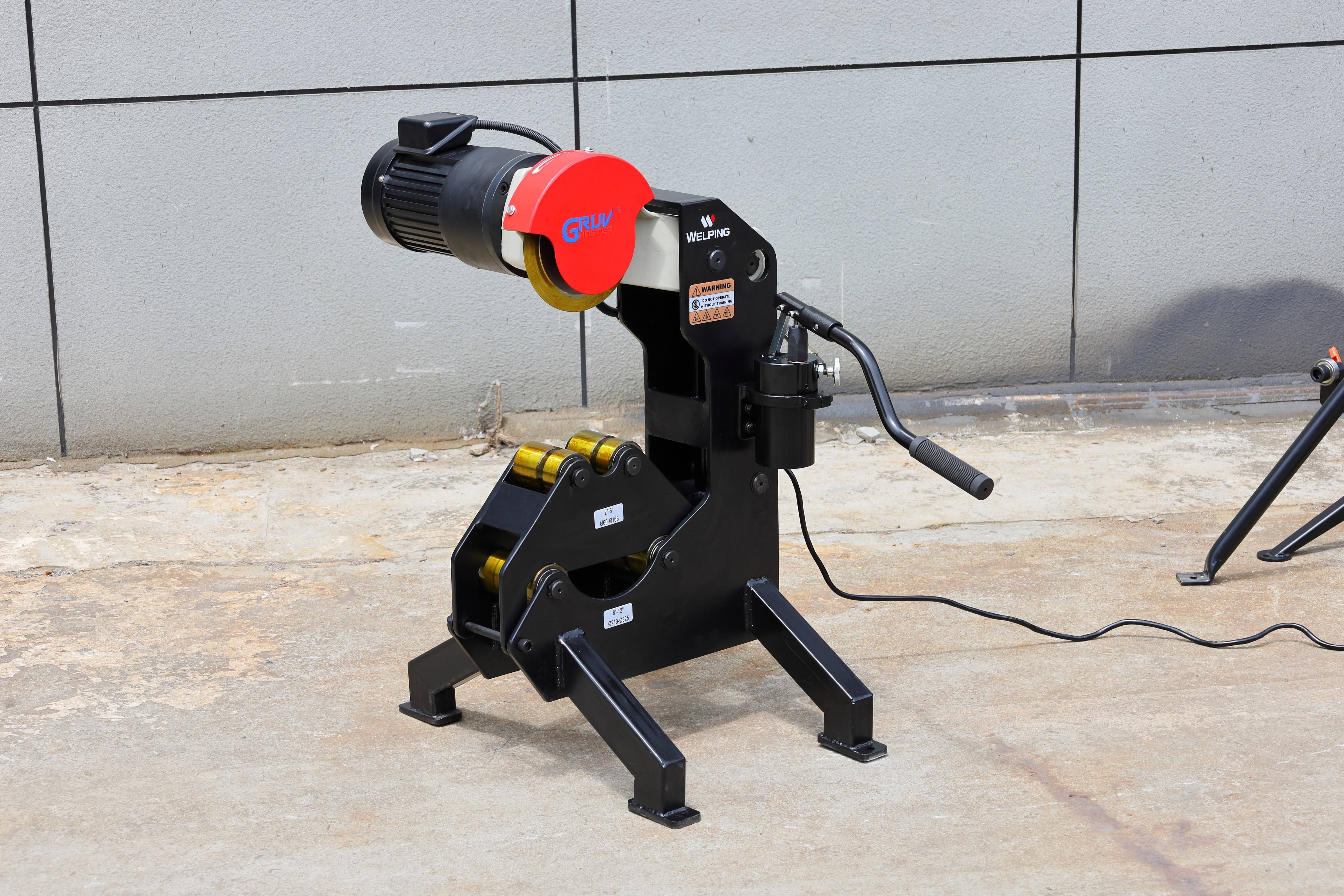
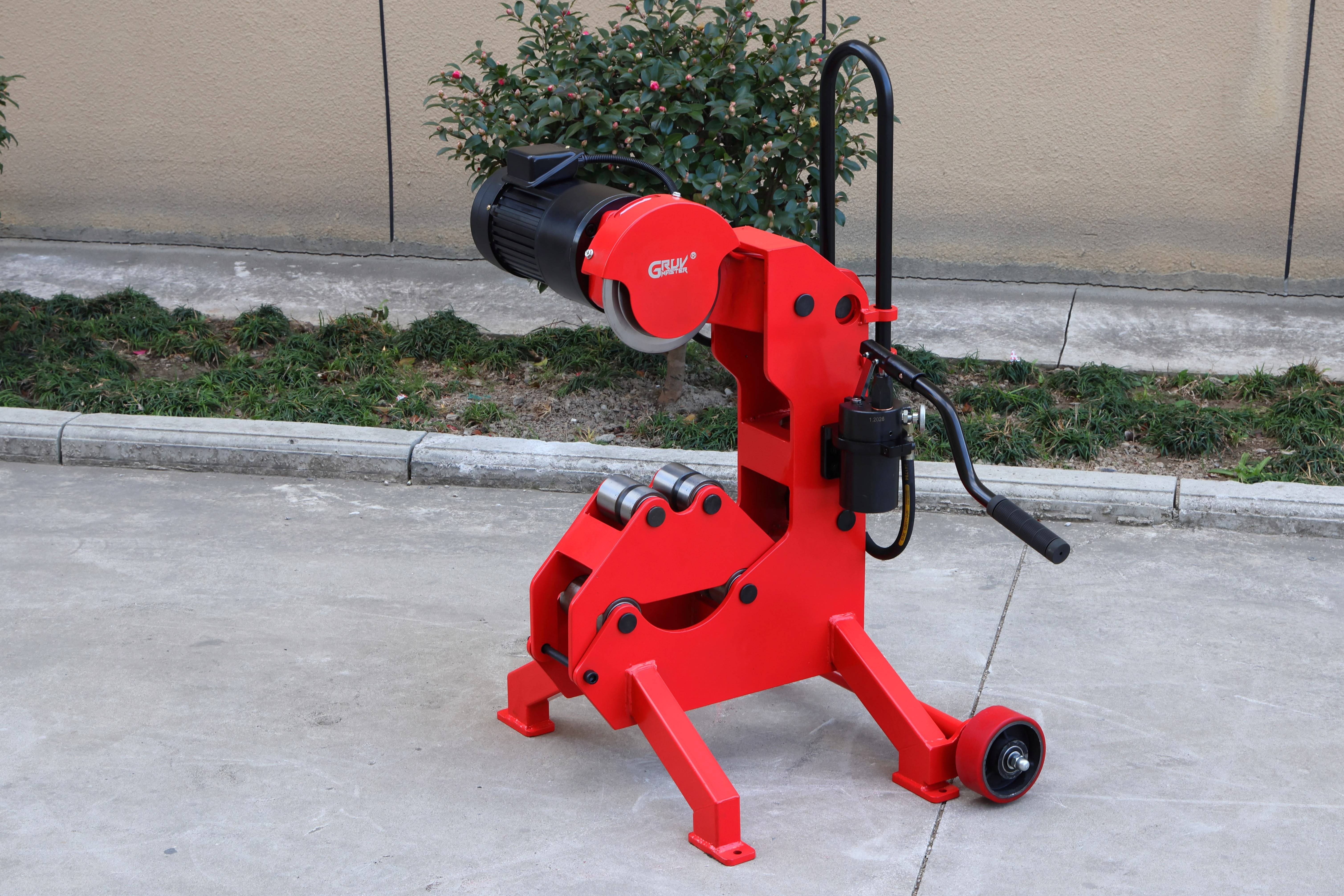
Cutting Machine: A Pull Handle and Transport Wheels
A Dedicated Handle and Wheels for Moving the Cutter
The earlier CM-12 had a fixed base. The updated model adds a dedicated pull handle at the top of the frame and transport wheels at the base. The pull handle is separate from the hydraulic operating lever on the side of the machine.
The handle and wheels are useful when the cutter needs to be repositioned over a short distance. In a fabrication shop, for example, operators can roll the machine to a nearby workstation where the next batch of pipe is staged. On site, the same features help when the cutting area moves as work progresses.
What the Changes Look Like in a Typical Job
Consider a shop preparing two batches of steel pipe in different diameters. When the second batch is ready, the operator can use the crossbar markings to reposition the support heads and the ball transfer units to fine-tune the pipe’s position at the cutter. If the next batch is staged at another workstation, the machine’s pull handle and transport wheels make that short move easier as well.